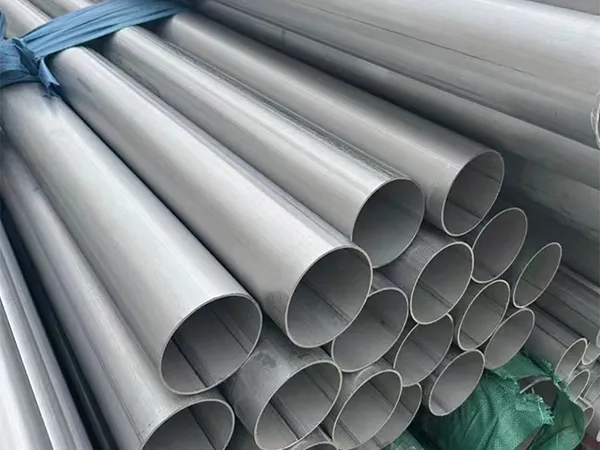
Womic Stainless Steel Co., Ltd

The oil and gas industry operates under some of the most demanding conditions found in industrial engineering. Pipelines, processing equipment, offshore platforms, and refinery systems must withstand high pressure, extreme temperatures, corrosive fluids, and aggressive environmental exposure. Because of these challenges, stainless steel pipes play a critical role in ensuring long-term reliability and operational safety.
Stainless steel piping systems are widely used across upstream, midstream, and downstream oil and gas operations. From offshore drilling platforms and subsea pipelines to refinery processing units and gas treatment facilities, stainless steel pipes provide excellent corrosion resistance, high mechanical strength, and long service life.
To ensure consistent quality and safe operation, stainless steel pipes used in oil and gas applications must comply with internationally recognized standards such as those developed by ASTM International, American Petroleum Institute, and the American Society of Mechanical Engineers.
Common standards include ASTM A312 for austenitic stainless steel pipes, ASTM A790 for duplex stainless steel pipes, and ASME B31.3 Process Piping for pressure piping systems used in petrochemical and refinery facilities.
Selecting the appropriate stainless steel material for oil and gas pipelines requires careful evaluation of corrosion conditions, pressure ratings, temperature exposure, and environmental factors.
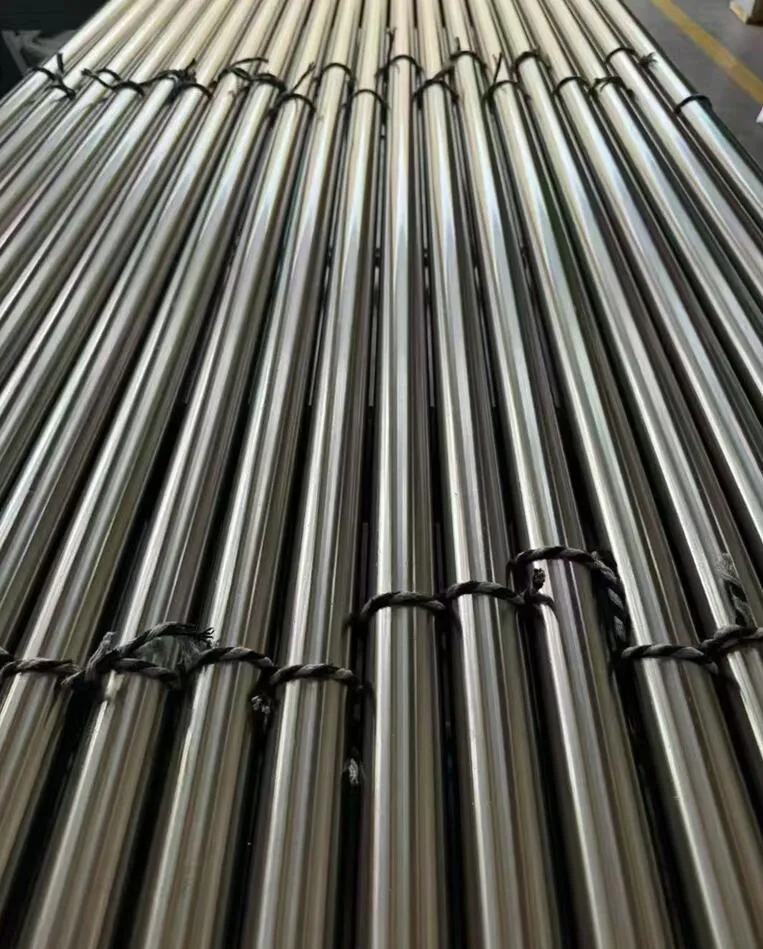
Oil and gas pipelines are exposed to a wide range of challenging service conditions that influence material selection.
Typical operating challenges include:
High-pressure transportation of crude oil, natural gas, and refined products
Exposure to corrosive chemicals such as hydrogen sulfide (H₂S) and carbon dioxide (CO₂)
Chloride-induced corrosion in offshore and marine environments
High temperatures in refinery and petrochemical processing units
Abrasion and erosion caused by flowing fluids and solid particles
These harsh conditions require materials that provide both corrosion resistance and mechanical strength. Stainless steel pipes offer an ideal balance between durability, weldability, and long-term performance.
Several stainless steel grades are widely used in oil and gas pipelines depending on the specific application environment. The most commonly used materials include austenitic stainless steels and duplex stainless steels.
Below is a comparison of several typical materials used in oil and gas piping systems.
|
Material |
Standard |
Type |
Typical Application |
|
304L |
ASTM A312 |
Austenitic |
General refinery piping |
|
316L |
ASTM A312 |
Austenitic |
Corrosive chemical environments |
|
321 |
ASTM A312 |
Stabilized Austenitic |
High temperature pipelines |
|
Duplex 2205 |
ASTM A790 |
Duplex Stainless Steel |
Offshore and subsea pipelines |
|
Super Duplex 2507 |
ASTM A790 |
Super Duplex |
Highly corrosive offshore environments |
Each of these materials offers specific advantages depending on the operating environment.
The chemical composition of stainless steel determines its corrosion resistance, strength, and temperature performance.
Below is a comparison of key alloying elements in common oil and gas stainless steel grades.
|
Grade |
Cr (%) |
Ni (%) |
Mo (%) |
N (%) |
C (%) |
|
304L |
18–20 |
8–12 |
— |
— |
≤0.03 |
|
316L |
16–18 |
10–14 |
2–3 |
— |
≤0.03 |
|
321 |
17–19 |
9–12 |
— |
— |
≤0.08 |
|
Duplex 2205 |
21–23 |
4.5–6.5 |
2.5–3.5 |
0.14–0.20 |
≤0.03 |
|
Super Duplex 2507 |
24–26 |
6–8 |
3–5 |
0.24–0.32 |
≤0.03 |
Chromium enhances corrosion resistance and oxidation resistance.
Nickel improves ductility and toughness.
Molybdenum increases resistance to pitting and crevice corrosion in chloride environments.
Nitrogen significantly improves strength and corrosion resistance in duplex stainless steels.
These alloying elements are critical for stainless steel performance in aggressive oil and gas environments.
Mechanical strength is particularly important in pipelines transporting high-pressure fluids.
Typical mechanical properties include:
|
Grade |
Yield Strength (MPa) |
Tensile Strength (MPa) |
Elongation (%) |
|
304L |
≥170 |
≥485 |
≥35 |
|
316L |
≥170 |
≥485 |
≥35 |
|
321 |
≥205 |
≥515 |
≥35 |
|
Duplex 2205 |
≥450 |
≥620 |
≥25 |
|
Super Duplex 2507 |
≥550 |
≥795 |
≥25 |
Duplex and super duplex stainless steels offer significantly higher strength compared to standard austenitic stainless steels. This allows engineers to reduce wall thickness while maintaining the same pressure rating, resulting in lighter piping systems and lower material costs.
Corrosion is one of the primary challenges in oil and gas pipelines. Stainless steel materials are selected based on their resistance to specific corrosion mechanisms.
Common corrosion risks include:
Chloride pitting corrosion
Stress corrosion cracking
Sulfide stress cracking
CO₂ corrosion (sweet corrosion)
H₂S corrosion (sour service)
Materials such as 316L stainless steel provide improved pitting resistance due to the addition of molybdenum.
Duplex stainless steels such as 2205 offer superior resistance to chloride stress corrosion cracking, making them particularly suitable for offshore pipelines and subsea equipment.
Super duplex materials are often selected for extremely aggressive offshore environments where both corrosion resistance and high strength are required.
Oil and gas pipelines may use both seamless and welded stainless steel pipes depending on system requirements.
Seamless stainless steel pipes are typically used in high-pressure or critical service environments. These pipes are commonly manufactured according to standards such as ASTM A312.
Welded stainless steel pipes are widely used for large diameter pipelines where cost efficiency and dimensional flexibility are important.
Electric-fusion welded stainless steel pipes are often produced according to standards such as ASTM A358.
The selection between seamless and welded pipes depends on pressure rating, pipe size, project budget, and engineering specifications.
Stainless steel pipes are used across multiple segments of the oil and gas industry.
Typical applications include:
Offshore platforms where corrosion-resistant materials are required to withstand seawater exposure.
Subsea pipelines transporting hydrocarbons under high pressure.
Refinery processing units handling corrosive chemicals and high-temperature fluids.
Gas treatment plants where pipelines are exposed to hydrogen sulfide environments.
Chemical injection systems used for corrosion control and production optimization.
Because of their durability and corrosion resistance, stainless steel pipes are often preferred for critical service pipelines where reliability is essential.
Womic Steel is a professional manufacturer specializing in high-performance stainless steel pipes for global energy and industrial markets. The company provides stainless steel piping solutions designed for demanding oil and gas applications.
Womic Steel manufactures both seamless and welded stainless steel pipes in accordance with international standards including ASTM A312, ASTM A790, and ASME piping specifications. The company supplies materials widely used in refinery pipelines, offshore engineering projects, subsea systems, and petrochemical processing facilities.
The production facilities are equipped with advanced pipe forming equipment, cold drawing lines, heat treatment furnaces, and modern inspection laboratories. These technologies allow Womic Steel to produce stainless steel pipes with excellent dimensional accuracy, high mechanical strength, and reliable corrosion resistance.
Womic Steel supplies a wide range of materials including 304L, 316L, 321, duplex 2205, and super duplex 2507. Each pipe undergoes strict quality inspection including chemical composition analysis, mechanical testing, non-destructive examination, and dimensional verification.
With strong production capacity and extensive experience in international projects, Womic Steel delivers stainless steel pipes that meet the demanding requirements of the global oil and gas industry.
Customized services. Rapid production. Global reach. We ensure your specific needs are fulfilled with precision and top-tier quality.
Website: www.womicstainless.com
Email:info@womicstainless.com
Tel/WhatsApp/WeChat:Victor: +86-15575100681 or Jack: +86-18390957568