Womic Stainless Steel Co., Ltd

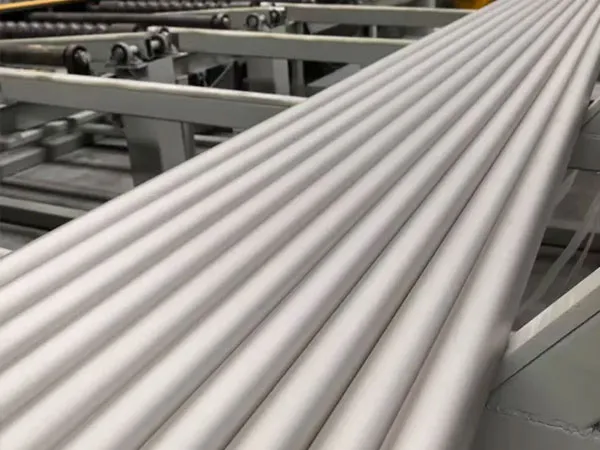
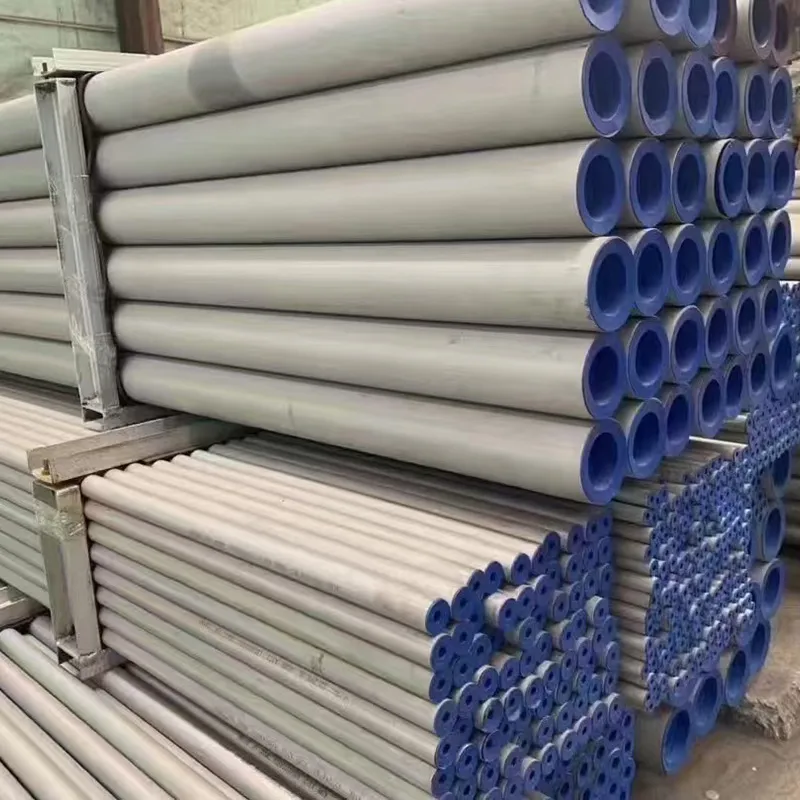
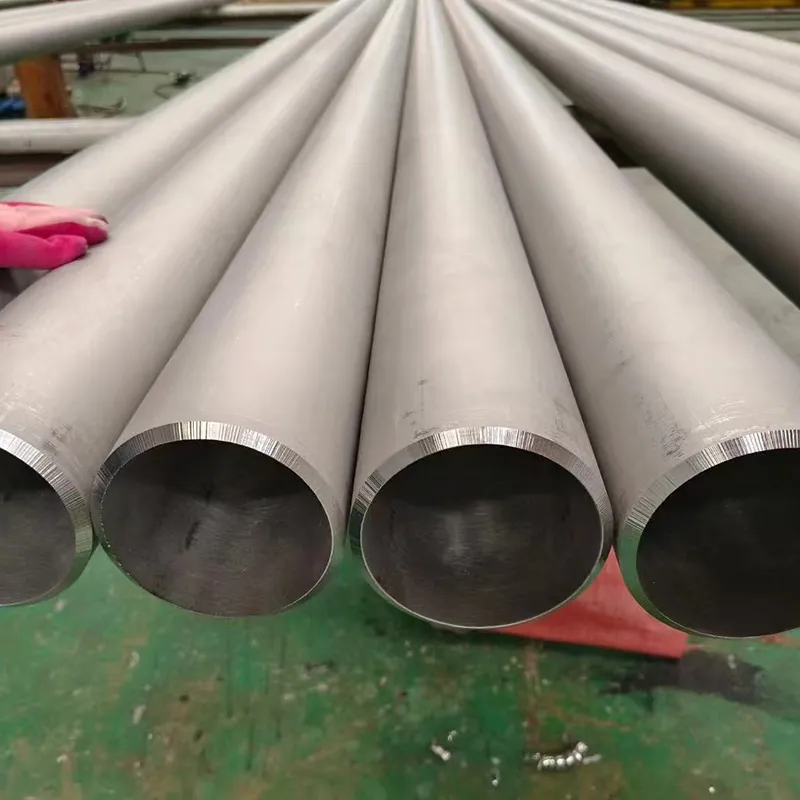
Womic Steel supplies 2507 Stainless Steel Pipe in seamless and welded configurations for offshore, oil & gas, chemical processing, desalination and other demanding corrosive environments.
2507 Stainless Steel Pipe is a super duplex stainless steel piping material developed for applications where both high mechanical strength and strong resistance to localized corrosion are required.
Unlike conventional austenitic stainless steels, 2507 has a duplex microstructure consisting of austenite and ferrite. Its relatively high chromium, molybdenum and nitrogen alloy content provides enhanced resistance to pitting, crevice corrosion and chloride-related stress corrosion cracking in suitable service conditions.
The material is particularly relevant to industries where piping systems may encounter seawater, chloride-containing fluids, aggressive process chemicals or high mechanical loads. Offshore platforms, desalination plants, chemical facilities and oil & gas installations are typical examples.
For procurement, however, “2507 Stainless Steel Pipe” should not be treated simply as a material name. The actual purchase specification should identify the applicable standard, grade designation, manufacturing method, dimensions, heat-treatment condition, testing and documentation requirements.
Womic Steel supplies 2507 Stainless Steel Pipe in seamless and welded configurations according to agreed project specifications and quality requirements.
2507 is a super duplex stainless steel grade designed to combine the characteristics of austenitic and ferritic stainless steels.
The designation “2507” is commonly associated with a nominal composition containing approximately 25% chromium and 7% nickel, together with molybdenum and nitrogen additions. The actual chemical limits depend on the applicable material specification.
The duplex structure gives the material a combination of properties that is important for demanding piping systems:
The material is therefore generally selected when the service conditions exceed the practical corrosion or strength requirements of standard austenitic stainless steel.
The performance of 2507 is closely related to its alloy design.
Chromium
The relatively high chromium content promotes the formation and maintenance of the passive surface film that provides stainless steel with corrosion resistance.
Higher chromium content also contributes to resistance against localized corrosion, although actual performance depends on the complete alloy composition and service environment.
Molybdenum
Molybdenum is particularly important for resistance to pitting and crevice corrosion.
This is one reason 2507 is considered for chloride-containing applications where lower-alloy stainless steel grades may have greater corrosion limitations.
Nitrogen
Nitrogen contributes to both the mechanical and metallurgical characteristics of duplex stainless steel.
It also supports the formation of a balanced duplex microstructure and contributes to corrosion resistance.
Nickel
Nickel promotes the formation of the austenitic phase and helps establish the required ferrite-austenite balance after appropriate heat treatment.
The performance of 2507 therefore depends on the interaction of its alloying elements rather than on any single element alone.
One important concept when evaluating 2507 Stainless Steel Pipe is the Pitting Resistance Equivalent Number, commonly referred to as PREN.
A commonly used relationship for duplex stainless steels is:
PREN = %Cr + 3.3 × %Mo + 16 × %N
The exact value depends on the actual chemical composition.
Why PREN Matters
PREN provides a useful way of comparing the theoretical pitting resistance of different stainless steel compositions.
Because 2507 contains relatively high levels of chromium, molybdenum and nitrogen, its calculated PREN is significantly higher than that of many conventional austenitic stainless steels.
However, PREN should not be interpreted as a direct guarantee of field performance.
Actual corrosion behavior can also be affected by:
Therefore, engineering material selection should consider the complete service environment rather than relying on a single numerical indicator.
The duplex microstructure is one of the most important features of 2507.
Ferrite-Austenite Balance
A properly processed 2507 pipe should have a controlled balance between ferritic and austenitic phases.
This balance is important because excessive ferrite or excessive austenite can affect the mechanical and corrosion performance of the material.
Solution Heat Treatment
Solution annealing is an important part of duplex stainless steel production.
The material is heated within the appropriate solution-treatment range specified by the applicable standard and then rapidly cooled.
This process helps establish the required phase balance and reduces the possibility of undesirable secondary phases.
Intermetallic Phase Control
Super duplex stainless steels can be sensitive to the formation of unwanted phases during inappropriate thermal exposure.
For example, sigma phase formation can negatively affect toughness and corrosion resistance.
Therefore, temperature control during manufacturing, welding and subsequent fabrication is particularly important.
2507 pipe can be produced through seamless or welded manufacturing routes.
Seamless 2507 Stainless Steel Pipe
Seamless production generally starts with a solid alloy billet.
The billet is heated and pierced to produce a hollow section, followed by processes such as hot rolling, sizing and finishing.
Throughout production, dimensional control and thermal processing are important because the material's duplex microstructure must be maintained.
Seamless pipe can be considered for applications where the applicable specification or engineering design requires a seamless product.
Welded 2507 Stainless Steel Pipe
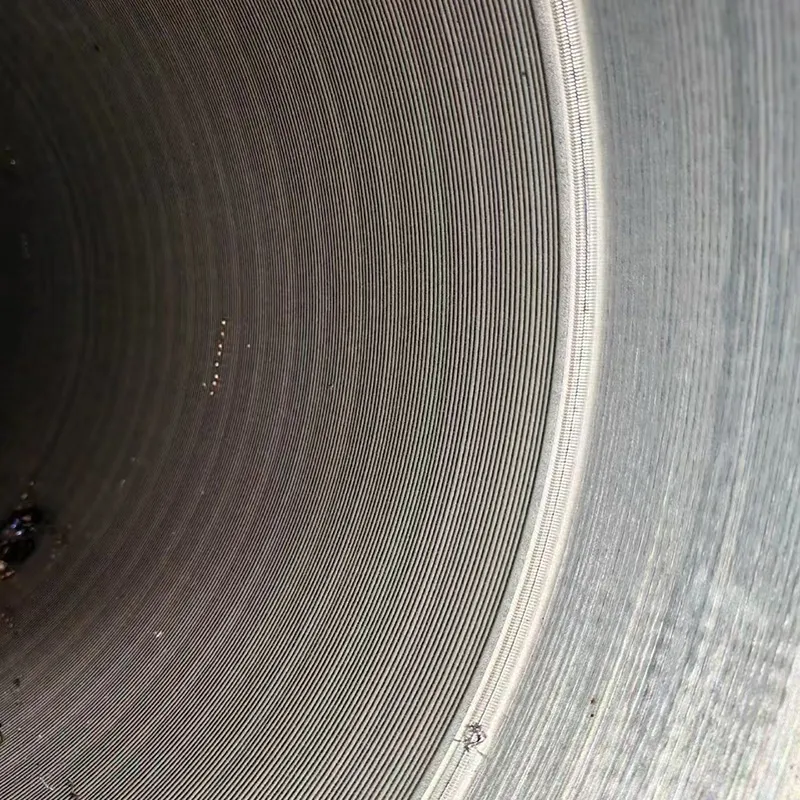
Welded 2507 pipe is manufactured by forming plate or strip into a tubular shape and joining the longitudinal or spiral seam using an appropriate welding process.
Welding requires particularly careful control for super duplex materials.
Excessive heat input or unsuitable cooling conditions can disturb the phase balance or encourage the formation of undesirable metallurgical phases.
Sizing and Surface Finishing
After forming and heat treatment, pipe dimensions are checked against the specified requirements.
Surface treatment may include cleaning, pickling or other agreed finishing processes.
The final surface condition should be clearly identified in the purchase specification when appearance, corrosion performance or subsequent fabrication is important.
Although 2507 offers strong corrosion resistance, fabrication must be properly controlled to preserve the material's properties.
Welding Heat Input
Heat input affects the cooling behavior of the weld area.
If the thermal cycle is not properly controlled, the ferrite-austenite balance can be affected.
Filler Metal Selection
The welding consumable should be compatible with the base material and the applicable welding procedure.
For critical projects, the welding procedure should be qualified according to the applicable project and code requirements.
Heat-Affected Zone
The heat-affected zone can experience metallurgical changes during welding.
Therefore, inspection should not be limited to the weld surface. The complete weld area and surrounding material need to be considered where required.
Post-Weld Surface Cleaning
Welding can introduce heat tint, oxide layers and surface contamination.
Proper post-weld cleaning can help restore the desired stainless steel surface condition and reduce potential corrosion initiation sites.
Quality control for 2507 should address chemical composition, mechanical properties, dimensions and metallurgical condition.
Chemical Composition
Chemical analysis confirms whether the supplied material meets the specified grade requirements.
Chromium, nickel, molybdenum and nitrogen are particularly important when verifying the alloy designation.
Mechanical Testing
Depending on the applicable standard and purchase specification, mechanical testing may include:
The results should be recorded and compared with the applicable requirements.
Metallographic Examination
For demanding duplex applications, microstructural examination can be used to evaluate the ferrite-austenite structure and identify undesirable metallurgical conditions where required.
PMI Verification
Positive Material Identification can provide an additional verification of alloy composition.
This is useful for projects containing multiple stainless steel and nickel-alloy grades where material segregation and traceability are important.
Hydrostatic and NDT
Hydrostatic testing and non-destructive testing may be required according to the relevant product standard or project specification.
Depending on the pipe type, testing can include methods such as ultrasonic or other specified NDT techniques.
The combination of corrosion resistance and mechanical strength makes 2507 suitable for a range of demanding applications.
Offshore Oil & Gas
Offshore systems may encounter seawater, chloride-containing environments and demanding mechanical conditions.
2507 can be selected for appropriate piping systems where corrosion resistance and strength are important design considerations.
Desalination
Desalination equipment and piping can experience high chloride exposure.
2507 is therefore considered for selected seawater and brine-related systems where the service conditions are compatible with the material.
Chemical Processing
Chemical processing plants may handle aggressive fluids that require higher corrosion resistance than conventional stainless steel.
Material selection should be based on the actual chemical composition, temperature and concentration of the process medium.
Marine Applications
Marine environments can create significant chloride exposure.
2507 can provide a material option for demanding marine piping applications where its corrosion resistance and mechanical properties are required.
Power and Industrial Utilities
Selected cooling-water, process-water and utility systems can also use super duplex piping where the water chemistry or mechanical requirements justify the material selection.
A complete inquiry should ideally identify:
For critical offshore, chemical or desalination projects, buyers should also provide the operating medium, design temperature, pressure and corrosion environment where available. These details can help suppliers evaluate whether 2507 is appropriate for the intended service.
2507 Stainless Steel Pipe is a super duplex material designed for demanding industrial environments where corrosion resistance, mechanical strength and metallurgical stability are important.
Its high chromium, molybdenum and nitrogen alloying, combined with a controlled duplex microstructure, provides strong resistance to localized corrosion and useful mechanical properties for applications such as offshore oil & gas, desalination, marine engineering and chemical processing.
However, successful application depends on more than the nominal grade. Manufacturing control, solution heat treatment, phase balance, welding procedures, surface condition and inspection all contribute to the final performance of the pipe.
Womic Steel supplies 2507 Stainless Steel Pipe in seamless and welded configurations according to agreed standards, dimensions, testing and documentation requirements.
For a quotation, customers can provide the pipe size, wall thickness, length, quantity, applicable standard, testing requirements and delivery term (EXW/FOB/CIF). For CIF pricing, please provide the destination port.