Womic Stainless Steel Co., Ltd

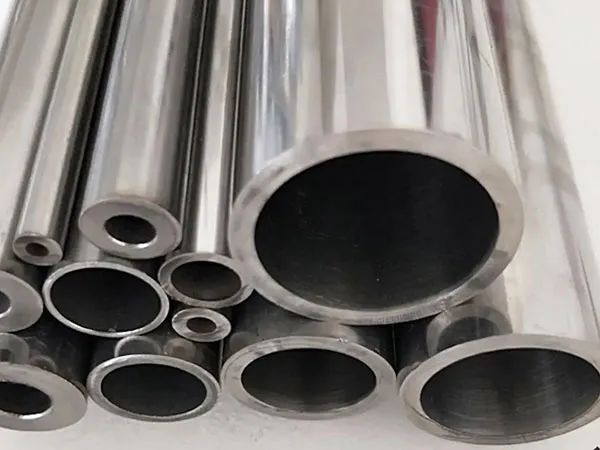
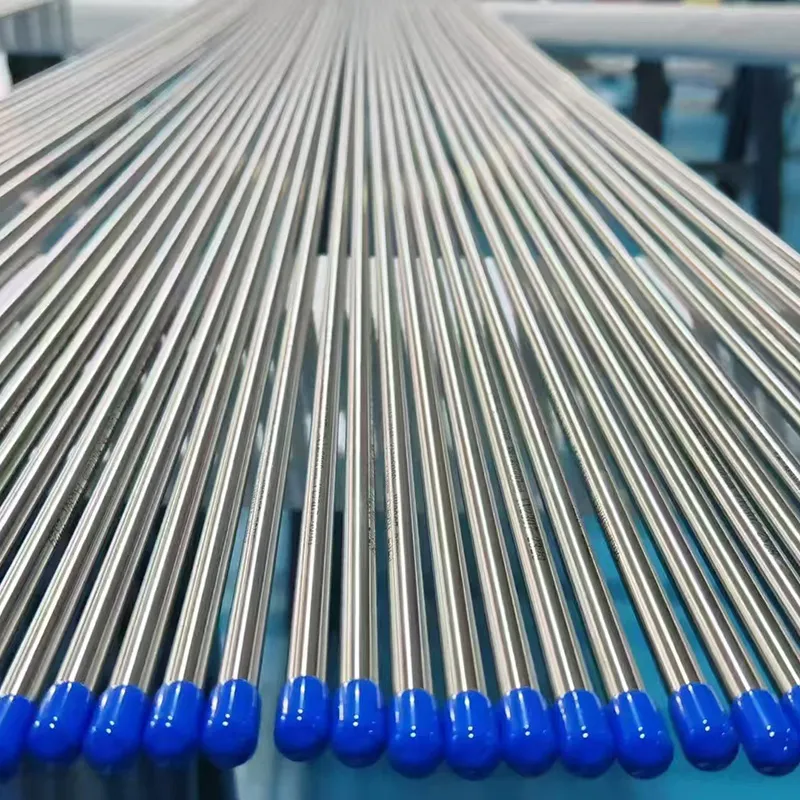
Womic Steel supplies Inconel 718 Superalloy Steel Tubes for high-temperature and high-strength applications, with focus on alloy composition, manufacturing, testing, traceability and industrial service.
Industrial equipment operating under high temperature, high mechanical stress and repeated thermal cycles requires materials capable of maintaining reliable performance under demanding conditions. In applications where conventional stainless steel cannot provide the required combination of strength, temperature resistance and corrosion resistance, nickel-based superalloys can become an important material option.
Inconel 718 Superalloy Steel Tubes are produced from Alloy 718, a nickel-based precipitation-hardening superalloy developed for applications requiring high strength over a broad temperature range. Its alloy system includes nickel, chromium, iron, molybdenum, niobium and other elements that contribute to its mechanical and metallurgical characteristics.
Unlike conventional austenitic stainless steel, Inconel 718 obtains much of its high strength through precipitation-hardening mechanisms. This makes manufacturing, heat treatment and final mechanical-property verification particularly important.
For buyers, purchasing Inconel 718 Superalloy Steel Tubes therefore requires a detailed technical specification. Alloy designation, tube dimensions, manufacturing method, heat treatment, mechanical requirements, testing, surface condition and documentation should be established before production.
Womic Steel supplies stainless steel and nickel-alloy products for industrial and project applications. For Inconel 718 requirements, Womic Steel can review the specified dimensions, quantity, testing and delivery conditions and prepare a quotation based on the agreed technical requirements.
Inconel 718, commonly known as Alloy 718, is a nickel-based superalloy designed for high-strength applications, particularly where elevated-temperature mechanical performance is important.
The alloy contains nickel, chromium, iron, molybdenum and niobium as major alloying elements, with additional elements contributing to its precipitation-hardening characteristics.
Important characteristics associated with Inconel 718 include:
The exact chemical composition, heat treatment and mechanical requirements should always be confirmed against the applicable material specification stated in the purchase order.
The term “Inconel 718 Superalloy Steel Tubes” is also a commercial description rather than a conventional stainless steel designation. Alloy 718 is technically a nickel-based superalloy, so buyers should identify the exact alloy and applicable product specification in technical documents.
One of the most important characteristics of Alloy 718 is its ability to achieve high strength through precipitation hardening.
Nickel-Based Matrix
The nickel-rich matrix provides the foundation of the alloy's high-temperature properties.
The alloying system is designed to maintain useful mechanical performance under demanding operating conditions.
Niobium Addition
Niobium is an important element in the strengthening system of Alloy 718.
Together with other alloying elements, it participates in precipitation reactions that contribute significantly to the alloy's high strength.
Precipitation Hardening
Unlike materials that rely primarily on solid-solution strengthening, Inconel 718 can be strengthened through controlled heat-treatment processes.
The precipitation-hardening process requires careful control of temperature and time. The final mechanical properties are therefore closely connected with the heat-treatment condition.
High-Temperature Strength
High-temperature equipment can experience loss of mechanical strength as temperature increases.
Alloy 718 is designed for applications where high strength must be maintained over demanding temperature ranges. However, the allowable operating conditions depend on the specific engineering design and material specification.
Manufacturing nickel-based superalloy tubes requires careful control because the alloy's high strength and alloy content can influence forming and machining behavior.
Raw Material Verification
Production begins with suitable Alloy 718 raw material.
Material identification and heat-number traceability should be maintained throughout the manufacturing process.
Chemical composition should be verified before the material enters subsequent production stages.
Tube Forming
Depending on the required product specification and dimensions, tube manufacturing can involve controlled forming, hot or cold working and sizing operations.
The manufacturing route should be selected according to the specified tube dimensions and required material condition.
Heat Treatment
Heat treatment is particularly important for Alloy 718 because the alloy's final strength depends strongly on its metallurgical condition.
Solution treatment and subsequent aging treatments may be used according to the applicable specification.
The purpose is to establish the required microstructure and precipitation condition while achieving the specified mechanical properties.
Final Sizing and Finishing
After heat treatment and forming operations, the tube can undergo final sizing and finishing.
Dimensional inspection ensures that the finished product meets the specified outside diameter, inside diameter, wall thickness and length requirements.
Heat treatment is one of the most important aspects of Inconel 718 production.
Solution Treatment
Solution treatment establishes a suitable metallurgical starting condition before aging.
The actual treatment temperature, holding time and cooling method should follow the applicable material specification.
Aging Treatment
Controlled aging allows strengthening precipitates to form within the nickel-based matrix.
The aging process must be carefully controlled because the final mechanical properties depend on the resulting precipitation condition.
Why Heat Treatment Records Matter
For project procurement, heat-treatment records can provide important evidence that the required processing condition was applied.
When tubes are supplied for critical applications, the heat-treatment condition should be clearly associated with the material identification and inspection documentation.
Mechanical Property Verification
After heat treatment, mechanical testing can verify whether the material achieves the specified strength and ductility requirements.
This makes heat treatment and mechanical inspection closely connected parts of the quality-control process.
High-performance nickel alloys require comprehensive quality control because their application may involve demanding mechanical and thermal conditions.
Chemical Composition
Chemical analysis verifies that the material corresponds to Alloy 718.
Important alloying elements should be checked against the applicable material specification.
The results should be traceable to the relevant heat number.
Mechanical Testing
Mechanical testing verifies the final properties of the tube.
Depending on the applicable specification, testing can include:
For precipitation-hardened Alloy 718, mechanical testing is particularly important because the heat-treatment condition directly affects strength.
Hydrostatic Testing
Where required by the applicable tube specification, hydrostatic testing can be used to evaluate pressure integrity.
The required test conditions should be specified in the purchase order.
Non-Destructive Testing
NDT requirements depend on the applicable product specification and project requirements.
Depending on tube type and application, additional examination may be required to evaluate material integrity or identify relevant discontinuities.
Tube dimensions are critical when Inconel 718 is incorporated into precision equipment.
Outside and Inside Diameter
The specified outside diameter and inside diameter should be verified during inspection.
Dimensional accuracy is particularly important for tubes used in heat exchangers, specialized equipment and precision assemblies.
Wall Thickness
Wall thickness affects both mechanical integrity and fluid flow characteristics.
Inspection should confirm that the finished tube meets the specified wall thickness and applicable tolerances.
Length
Length requirements should be clarified before quotation.
Customers may require fixed lengths, random lengths or specially cut tubes.
For project orders, providing the exact length and quantity allows suppliers to calculate material requirements more accurately.
Surface Condition
Surface requirements can vary according to the application.
Customers should identify any requirements relating to surface finish, cleaning, pickling, grinding or other finishing operations before production.
Documentation is particularly important for high-value nickel-based superalloy products.
A project documentation package may include:
Material Test Certificates
The Material Test Certificate provides documented information about the alloy grade and test results.
For Inconel 718 Superalloy Steel Tubes, the certificate should clearly identify the alloy and relevant material condition.
Heat-number traceability helps connect the certificate with the actual tubes supplied.
Heat-Treatment Traceability
Because Alloy 718 relies heavily on controlled heat treatment to achieve its required properties, heat-treatment records can be particularly valuable.
Maintaining traceability between the material heat, heat-treatment process and mechanical test results helps provide a clearer quality record for the customer.
Third-Party Inspection
Some critical projects require independent inspection.
Third-party inspection may cover material identification, dimensions, mechanical testing, heat treatment, surface condition, marking and documentation according to the agreed inspection plan.
The high-strength characteristics of Alloy 718 make it relevant to specialized applications where demanding mechanical and temperature conditions exist.
Aerospace Applications
Inconel 718 is widely associated with aerospace applications because of its high strength and temperature capability.
Tubular products can be used in selected aerospace systems where the material specification and design requirements are appropriate.
Gas Turbine Equipment
Gas turbine systems involve high temperatures, mechanical loads and thermal cycling.
Nickel-based superalloys are used in selected turbine-related applications because of their high-temperature mechanical characteristics.
Power Generation
Power-generation equipment can operate under elevated temperatures and significant mechanical loads.
Alloy 718 may be considered for specialized components and tubular applications where its properties meet the engineering requirements.
Oil & Gas
Certain oil and gas systems involve high pressure, corrosive environments and demanding mechanical conditions.
Nickel-based alloys can be considered for specialized applications where conventional stainless steel does not provide the required combination of properties.
Chemical and Industrial Equipment
Specialized chemical and industrial systems may involve aggressive environments combined with elevated temperature or mechanical stress.
Inconel 718 can be evaluated for suitable applications based on the actual process conditions and engineering specification.
Material selection between nickel-based superalloys and stainless steel should be based on the actual operating conditions.
Temperature Requirements
Conventional stainless steels can perform effectively across many industrial applications, but specialized high-temperature systems may require materials with greater strength retention.
Inconel 718 is designed for applications where high mechanical strength at elevated temperatures is a major consideration.
Strength Requirements
The precipitation-hardening characteristics of Alloy 718 allow it to achieve substantially higher strength than many conventional austenitic stainless steels.
This can make it appropriate for applications where mechanical loads are a major design consideration.
Cost Considerations
Nickel-based superalloys generally represent a higher material-cost category than standard stainless steels.
Therefore, buyers should not select Alloy 718 solely because it has higher performance characteristics. The grade should be specified when its properties are actually required by the application.
Engineering Evaluation
The final choice should consider:
A technically appropriate material is determined by the complete service environment rather than by alloy designation alone.
A complete inquiry should ideally identify:
For high-value superalloy products, buyers should provide as much technical information as possible at the quotation stage. This can help suppliers identify the appropriate manufacturing route, heat-treatment condition and inspection requirements.
It is also useful to clarify whether the project requires third-party inspection, specific certification, special marking, special packaging or an approved manufacturer list.
Womic Steel can review the required Inconel 718 Superalloy Steel Tubes specifications, dimensions, quantity and inspection requirements and prepare a quotation based on the agreed technical and commercial conditions.
Inconel 718 Superalloy Steel Tubes are nickel-based high-performance products designed for applications requiring a combination of high strength, elevated-temperature performance and resistance to demanding service environments. Its precipitation-hardening characteristics distinguish Alloy 718 from conventional stainless steel and make heat treatment a particularly important part of production.
Successful procurement requires precise alloy identification and careful control of manufacturing, heat treatment, dimensions, mechanical testing, NDT, surface condition and traceability.
For international buyers, providing the exact alloy designation, applicable specification, tube dimensions, quantity, heat-treatment requirements, testing scope and delivery terms gives suppliers a clear basis for quotation and production planning.
Womic Steel supplies stainless steel and nickel-alloy products for industrial and project applications and can review Inconel 718 Superalloy Steel Tubes requirements according to the customer's technical specification. Send us your required grade, tube size, wall thickness and quantity, and we can check the suitable supply option and quotation for your project.