Womic Stainless Steel Co., Ltd

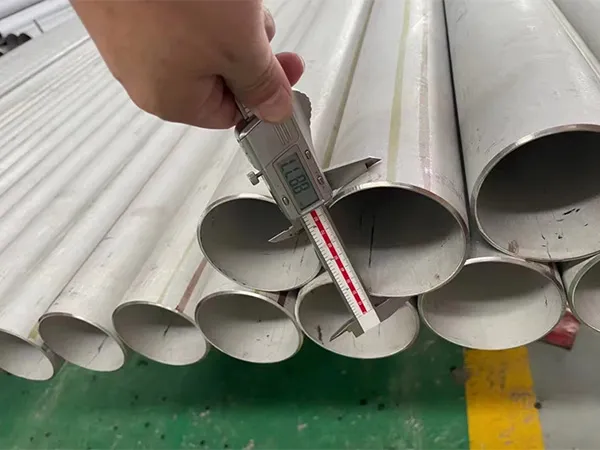
Accurately calculating thestainless steel pipe weightis an essential task in engineering design, procurement management, transportation planning, and cost estimation. In industrial projects such as oil and gas pipelines, chemical processing plants, power stations, and marine engineering systems, the total weight of stainless steel piping directly affects structural load calculations, transportation costs, installation planning, and ultimately the overall project budget.
For procurement managers and engineers, understanding how to perform a properstainless steel pipe weight calculationallows them to estimate material quantities, compare supplier quotations, and control project costs more effectively. Pipe weight also plays a critical role in determining logistics expenses, container loading capacity, and shipping arrangements for international deliveries.
Professional manufacturers andstainless steel pipe supplierstypically provide theoretical weight tables and calculation formulas to assist buyers in evaluating material quantities before placing an order. However, it is still important for engineers and buyers to understand the underlying calculation methods so they can verify the data independently.
This comprehensive guide explains how to calculate stainless steel pipe weight using engineering formulas, discusses density factors for different stainless steel grades, and provides practical examples used in real industrial procurement scenarios.
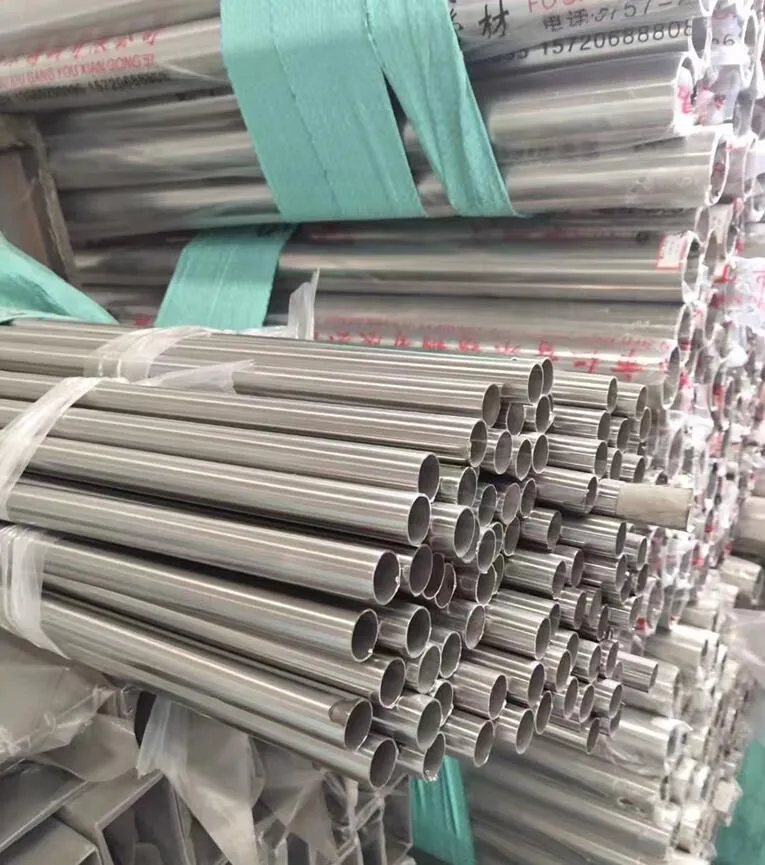
The weight of stainless steel pipes is not only a theoretical parameter. In practice, it directly influences several important aspects of engineering projects.
First, pipe weight determines the total material quantity required for procurement contracts. Large industrial projects may involve thousands of meters of piping, making accurate weight calculation essential for budgeting and cost control.
Second, stainless steel pipe weight affects transportation planning. Shipping costs for international cargo are often calculated based on total weight or container loading limits. Knowing the exact pipe weight helps buyers plan logistics more efficiently.
Third, the structural design of pipeline systems depends on pipe weight. Support structures, pipe racks, and installation frameworks must be designed to safely carry the total load of the piping system.
Finally, pipe weight directly influences thestainless steel pipe pricequoted by suppliers, since raw material consumption is the primary cost component in stainless steel manufacturing.
Because of these factors, accurate weight calculation is an essential skill for engineers, procurement specialists, and project managers working with stainless steel piping systems.
The theoretical weight of stainless steel pipes can be calculated using a standard engineering formula based on pipe dimensions and material density.
The most commonly used formula is:
Pipe Weight (kg/m)
= (Outer Diameter − Wall Thickness) × Wall Thickness × 0.02491
Where:
Outer Diameter (OD) = millimeters
Wall Thickness (WT) = millimeters
0.02491 = constant derived from stainless steel density
This formula provides the theoretical weight per meter for stainless steel pipes.
For example:
OD = 114.3 mm
WT = 6 mm
Weight per meter calculation:
(114.3 − 6) × 6 × 0.02491
Result:
Approximately16.18 kg/m
This value represents the theoretical weight of the pipe per meter length.
The constant value0.02491used in the formula is derived from the density of stainless steel.
Most austenitic stainless steels such as 304 and 316 have a density of approximately:
7.93 g/cm³
The formula constant incorporates the density conversion and unit adjustments needed to calculate weight in kilograms per meter.
However, different stainless steel grades may have slightly different densities.
Typical density values include:
304 stainless steel
Density ≈ 7.93 g/cm³
316 stainless steel
Density ≈ 7.98 g/cm³
Duplex stainless steel
Density ≈ 7.80 g/cm³
Ferritic stainless steel
Density ≈ 7.70 g/cm³
Although these differences are relatively small, they may influence weight calculations for large industrial projects involving significant material quantities.
In many pipeline projects, pipes are specified usingNominal Pipe Size (NPS)andschedule numbersrather than exact wall thickness.
Schedule numbers indicate the wall thickness of the pipe according to standardized tables.
Common schedules include:
SCH 10
SCH 20
SCH 40
SCH 80
SCH 160
For example:
NPS 6 SCH 40 pipe dimensions:
Outer Diameter = 168.3 mm
Wall Thickness = 7.11 mm
Weight calculation:
(168.3 − 7.11) × 7.11 × 0.02491
Result:
Approximately28.26 kg/m
These standardized dimensions make it easier for engineers to select piping materials during system design.
Once the weight per meter is known, the total pipe weight can be calculated by multiplying the value by the pipe length.
Example:
Pipe weight per meter = 16.18 kg/m
Pipe length = 6 meters
Total pipe weight:
16.18 × 6 =97.08 kg
For large orders, the total weight can be calculated by multiplying the weight per pipe by the number of pieces.
Example:
97.08 kg per pipe × 200 pipes
Total weight:
19,416 kg
This calculation method is widely used in procurement contracts and logistics planning.
The theoretical weight formula applies equally to both seamless and welded stainless steel pipes.
However, in practice there may be slight weight differences due to manufacturing processes.
Seamless pipes are produced through hot piercing and rolling processes, which may result in small dimensional variations within the allowed tolerances.
Welded pipes are manufactured by forming and welding stainless steel plates or coils, and they often maintain very consistent wall thickness.
Despite these differences, theoretical weight calculations remain the standard method used for pricing and procurement documentation.
Although tubes and pipes share similar calculation methods, stainless steel tubes are typically measured using exact outer diameter and wall thickness rather than nominal pipe sizes.
For example:
Tube dimensions:
OD = 50 mm
WT = 2 mm
Weight calculation:
(50 − 2) × 2 × 0.02491
Result:
Approximately2.39 kg/m
This precise dimensional system is particularly important for mechanical and structural tube applications.
Actual pipe weight may differ slightly from theoretical calculations due to manufacturing tolerances.
International standards allow certain deviations in pipe wall thickness and dimensions.
Typical weight tolerance ranges may include:
±12.5% wall thickness tolerance for many pipe standards
Small variations in outer diameter
These tolerances may result in minor differences between theoretical and actual pipe weight.
However, theoretical weight remains the standard reference used in commercial transactions.
Pipe weight plays a critical role in international shipping and logistics planning.
Standard shipping containers have weight limitations that must be considered during cargo loading.
Typical container capacity:
20-foot container
Maximum cargo weight approximately 25 tons
40-foot container
Maximum cargo weight approximately 26–27 tons
Accurate stainless steel pipe weight calculations help exporters optimize container loading while ensuring compliance with shipping regulations.
Professionalstainless steel pipe suppliersusually provide detailed packing lists showing pipe quantities, lengths, and total shipment weight.
Raw material consumption is the largest component of stainless steel manufacturing cost. As a result, thestainless steel pipe priceis typically calculated based on the weight of the material.
Supplier quotations often use the following pricing structure:
Price per ton
Price per kilogram
Once the pipe weight is known, buyers can easily estimate the total order value.
Example:
Pipe weight per piece = 97 kg
Quantity = 200 pieces
Total weight:
19,400 kg
If the stainless steel pipe price is:
USD 3,200 per ton
Total cost:
19.4 tons × 3,200 USD
=USD 62,080
Understanding weight calculation helps buyers verify supplier quotations and ensure pricing transparency.
Consider a chemical plant project requiring stainless steel pipes with the following specification:
Material: ASTM A312 TP316L
Size: NPS 4
Schedule: SCH 40
Pipe length: 6 meters
Quantity: 500 pieces
Step 1 Determine pipe dimensions:
OD = 114.3 mm
WT = 6.02 mm
Step 2 Calculate weight per meter:
(114.3 − 6.02) × 6.02 × 0.02491
Result:
16.2 kg/m
Step 3 Calculate weight per pipe:
16.2 × 6 = 97.2 kg
Step 4 Calculate total order weight:
97.2 × 500
Total weight:
48,600 kg
Approximately48.6 tons
This value can then be used for logistics planning, pricing calculations, and procurement documentation.
Accurate stainless steel pipe weight calculations help buyers avoid several common procurement issues.
First, it prevents discrepancies in supplier quotations.
Second, it allows buyers to compare offers from differentstainless steel pipe suppliersmore accurately.
Third, it helps engineers estimate structural loads and installation requirements.
Fourth, it improves shipping efficiency and reduces logistics costs.
Because of these benefits, weight calculation is a standard practice in industrial procurement.
Womic Steel is a professionalstainless steel pipe supplierproviding high-quality pipes and tubes for industrial projects worldwide.
Our manufacturing range includes:
Seamless stainless steel pipes
Welded stainless steel pipes
Duplex stainless steel pipes
Super duplex stainless steel pipes
Precision stainless steel tubes
Production size range:
OD 1/4" – 80"
All products are manufactured according to international standards including ASTM, ASME, and EN specifications.
With advanced manufacturing facilities, strict quality control procedures, and competitivestainless steel pipe prices, Womic Steel provides reliable piping solutions for global industries including oil and gas, chemical processing, marine engineering, and energy infrastructure.
Customers are always welcome to visit our manufacturing facilities for factory inspections, production audits, and third-party quality verification.
Customized services. Rapid production. Global reach. We
ensure your specific needs are fulfilled with precision and top-tier quality.
Website: www.womicstainless.com
Email:info@womicstainless.com
Tel/WhatsApp/WeChat:Victor: +86-15575100681 or Jack: +86-18390957568