Womic Stainless Steel Co., Ltd

Steel pipes are essential components in industrial piping systems used in oil and gas transportation, chemical processing plants, power generation facilities, construction projects, and water distribution networks. Among the many pipe materials available,stainless steel pipeandcarbon steel pipeare two of the most widely used options in industrial engineering.
Although both materials belong to the steel family, their chemical composition, corrosion resistance, mechanical properties, and cost structures differ significantly. These differences influence the selection of piping materials for various applications.
Choosing the appropriate pipe material is critical for ensuring the safety, durability, and efficiency of piping systems. Engineers must evaluate operating conditions such as pressure, temperature, corrosion environment, and maintenance requirements when selecting between stainless steel pipes and carbon steel pipes.
This comprehensive guide compares stainless steel pipe and carbon steel pipe from multiple technical perspectives, helping engineers, procurement managers, and project developers make informed decisions when selecting industrial piping materials.
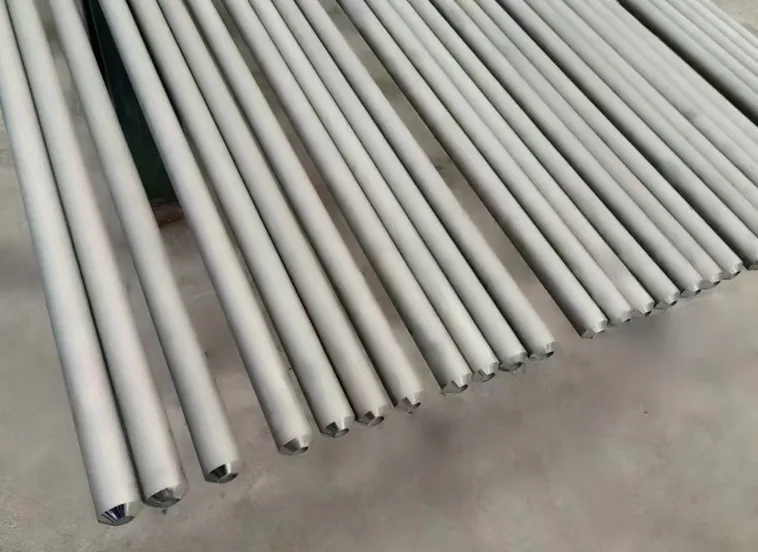
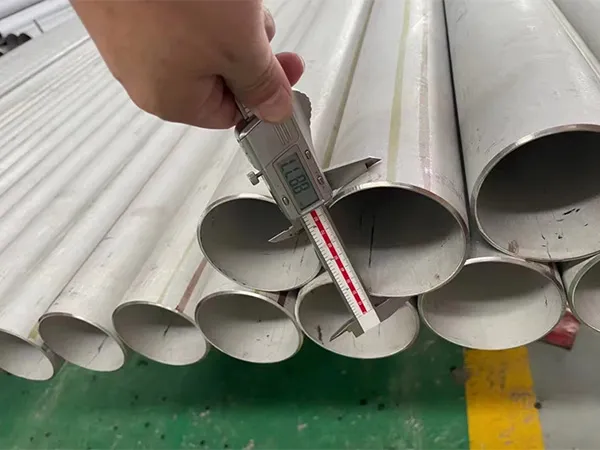
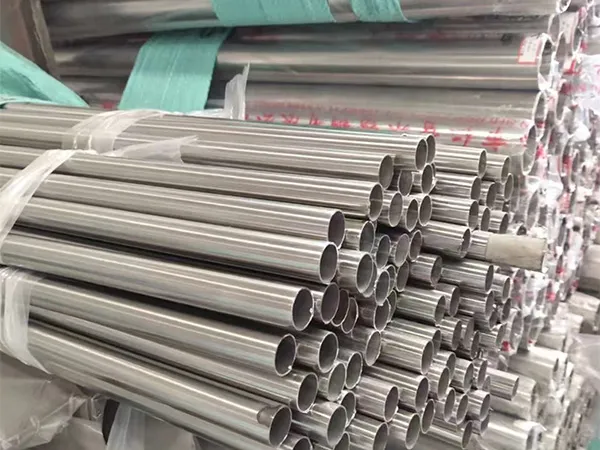
Stainless steel pipesare alloy steel pipes containing chromium as a primary alloying element. Chromium forms a protective oxide layer on the steel surface, which significantly improves corrosion resistance.
Most stainless steels contain at least10.5 percent chromium, although many industrial grades contain higher levels along with additional alloying elements such as nickel, molybdenum, and nitrogen.
Common stainless steel pipe grades include:
ASTM A312 TP304
ASTM A312 TP304L
ASTM A312 TP316
ASTM A312 TP316L
These materials are widely used in applications where corrosion resistance, hygiene, and durability are critical.
Stainless steel pipes are commonly used in industries such as food processing, chemical production, pharmaceutical manufacturing, and offshore engineering.
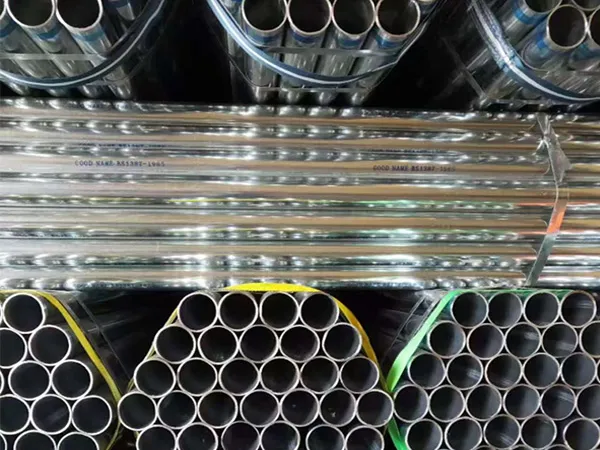
Carbon steel pipesare steel pipes primarily composed of iron and carbon, with relatively small amounts of other alloying elements.
Carbon steel pipes generally contain carbon content ranging from0.05 percent to approximately 2 percent.
Common carbon steel pipe standards include:
ASTM A106
ASTM A53
API 5L
Carbon steel pipes are widely used for transporting water, oil, natural gas, and steam due to their good mechanical strength and relatively low cost.
These pipes are commonly found in infrastructure projects, pipeline construction, and industrial utility systems.
The most fundamental difference between stainless steel pipes and carbon steel pipes lies in their chemical composition.
Stainless steel pipes contain significant amounts of chromium and often nickel, which provide corrosion resistance and improved mechanical performance.
Typical composition of stainless steel pipe grade 304:
Chromium approximately 18 percent
Nickel approximately 8 percent
Carbon less than 0.08 percent
Typical composition of carbon steel pipe:
Carbon typically 0.2 to 0.3 percent
Manganese approximately 0.5 to 1 percent
Very small amounts of other elements
The presence of chromium in stainless steel enables the formation of a passive oxide film that protects the material from corrosion. Carbon steel lacks this protective mechanism.
Corrosion resistance is one of the most important differences between the two materials.
Stainless steel pipesoffer excellent resistance to corrosion in many environments, including moisture, chemicals, and marine atmospheres.
The chromium oxide layer that forms on the surface acts as a self-healing protective barrier, preventing rust formation.
In contrast,carbon steel pipesare highly susceptible to corrosion when exposed to moisture, oxygen, or corrosive chemicals.
To improve corrosion resistance, carbon steel pipes often require protective coatings or internal linings.
Because of this difference, stainless steel pipes are commonly used in aggressive environments where corrosion could significantly shorten the service life of carbon steel pipes.
Both stainless steel pipes and carbon steel pipes offer strong mechanical performance, but their strength characteristics differ.
Carbon steel pipes generally have higher yield strength and tensile strength compared with many austenitic stainless steel grades.
This makes carbon steel suitable for high-pressure pipelines and structural applications.
However, stainless steel pipes offer superior toughness and ductility, particularly at low temperatures.
In addition, certain stainless steel alloys such as duplex stainless steels provide both high strength and excellent corrosion resistance.
Stainless steel pipes perform well in both high-temperature and low-temperature environments.
Many stainless steel grades maintain their mechanical properties at elevated temperatures, making them suitable for heat exchangers, boilers, and high-temperature process piping.
Carbon steel pipes are also capable of handling high temperatures, but their oxidation resistance is generally lower than that of stainless steel.
At extremely low temperatures, stainless steel pipes maintain excellent toughness, while some carbon steel materials may become brittle.
Maintenance requirements differ significantly between the two materials.
Because stainless steel pipes resist corrosion naturally, they generally require less maintenance during their service life.
Carbon steel pipes, on the other hand, often require regular inspection, coating maintenance, or corrosion protection measures.
In environments where corrosion is severe, stainless steel pipes may offer significantly longer service life compared with carbon steel pipes.
Cost is an important factor in material selection.
Carbon steel pipes are generally less expensive than stainless steel pipes due to lower alloy content and simpler production processes.
Stainless steel pipes require chromium, nickel, and other alloying elements, which increase material cost.
However, when evaluating total lifecycle cost, stainless steel pipes may sometimes be more economical due to lower maintenance requirements and longer service life.
For many industries, the decision between stainless steel pipe and carbon steel pipe depends on balancing initial investment with long-term operating costs.
Both stainless steel pipes and carbon steel pipes are widely used in industrial piping systems.
Common applications for stainless steel pipes include:
Chemical processing plants
Food and beverage production
Pharmaceutical manufacturing
Marine engineering
Offshore oil and gas facilities
Typical applications for carbon steel pipes include:
Oil and gas pipelines
Water distribution systems
Structural construction projects
Industrial steam systems
Each material serves different roles depending on environmental conditions and engineering requirements.
Selecting between stainless steel pipes and carbon steel pipes requires careful evaluation of several factors.
Engineers must consider the following aspects:
Operating environment
Corrosion exposure
Temperature conditions
Pressure requirements
Maintenance expectations
Budget constraints
In highly corrosive environments, stainless steel pipes are often the preferred solution.
For applications where corrosion is less severe and cost control is important, carbon steel pipes may provide a more economical option.
Consulting with experiencedstainless steel pipe supplierscan help project teams determine the most suitable material for their specific application.
Womic Steel is a professionalstainless steel pipe supplierand industrial steel manufacturer providing high-quality piping materials to global markets.
Our production range includes:
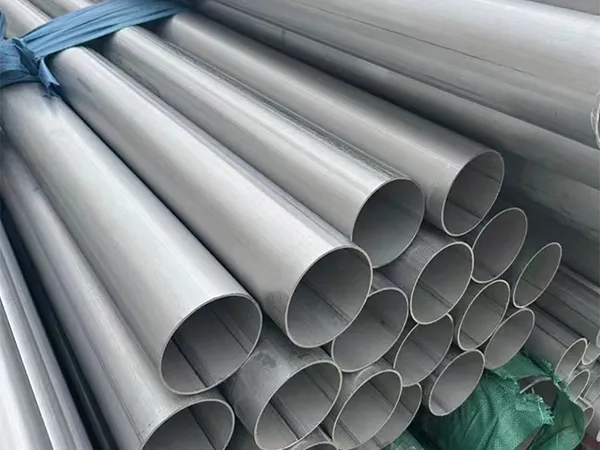
Seamless stainless steel pipes
Welded stainless steel pipes
Duplex stainless steel pipes
Super duplex stainless steel pipes
Precision stainless steel tubes
Production size range:
OD 1/4" – 80"
All products are manufactured according to international standards including ASTM, ASME, and EN specifications.
With advanced manufacturing technology, strict quality control systems, and extensive export experience, Womic Steel provides reliable piping solutions for industries such as oil and gas, chemical processing, marine engineering, and energy infrastructure.
Customers are always welcome to visit our production facilities, conduct factory audits, and arrange third-party inspections before shipment.
Customized services. Rapid production. Global reach. We ensure your specific needs are fulfilled with precision and top-tier quality.
Website: www.womicstainless.com
Email:info@womicstainless.com
Tel/WhatsApp/WeChat:Victor: +86-15575100681 or Jack: +86-18390957568