Womic Stainless Steel Co., Ltd

Chemical processing plants operate under some of the most aggressive industrial environments. Pipelines in these facilities transport a wide range of corrosive chemicals, acids, solvents, gases, and high-temperature fluids. The materials used for piping systems must therefore provide exceptional corrosion resistance, mechanical strength, and long-term reliability.
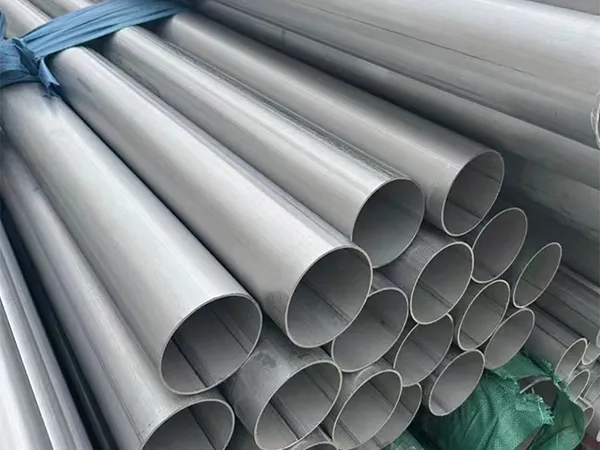
Stainless steel pipes are widely used in chemical processing industries because they offer excellent resistance to corrosion, high temperature stability, and strong mechanical performance. These properties make stainless steel an ideal material for handling aggressive chemical media in reactors, heat exchangers, pipelines, storage facilities, and chemical transfer systems.
To ensure quality and performance, stainless steel pipes used in chemical processing plants typically comply with international standards developed by organizations such as ASTM International and the American Society of Mechanical Engineers. Common specifications include ASTM A312 for austenitic stainless steel pipes and ASTM A790 for duplex stainless steel pipes.
Chemical plants often operate under the design requirements of ASME B31.3 Process Piping, which governs the design, fabrication, inspection, and testing of piping systems used in process industries.
Selecting the appropriate stainless steel material is critical because different chemicals can cause different types of corrosion, including pitting corrosion, crevice corrosion, stress corrosion cracking, and acid attack.
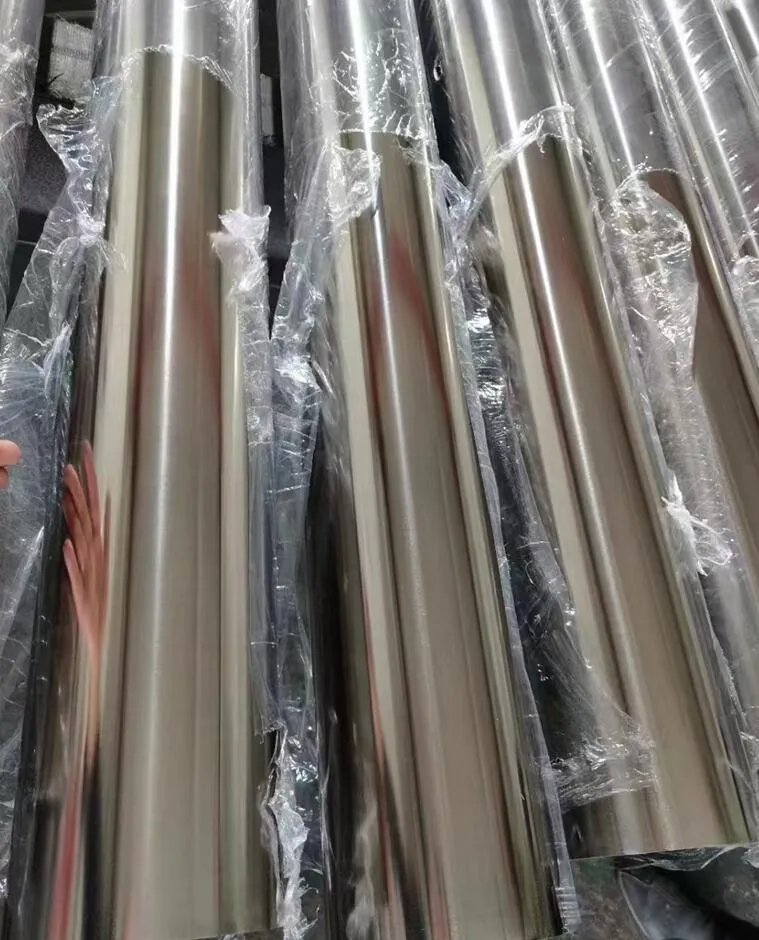
Chemical plants expose piping systems to a variety of challenging conditions. These operating environments require materials that can resist both corrosion and mechanical stress.
Typical operating conditions include:
Exposure to strong acids such as sulfuric acid, nitric acid, and phosphoric acid
Chloride-rich environments that may cause pitting corrosion
High temperature process fluids
High-pressure chemical transportation
Continuous exposure to aggressive industrial solvent
Because chemical media vary significantly depending on the production process, engineers must carefully select the correct stainless steel material to prevent corrosion failures and ensure long service life.
Several stainless steel materials are widely used in chemical processing plants. The selection depends on corrosion resistance requirements, mechanical strength, operating temperature, and chemical compatibility.
The most common materials include:
|
Material |
Standard |
Stainless Steel Type |
Typical Chemical Environment |
|
304L |
ASTM A312 |
Austenitic |
Mild chemical environments |
|
316L |
ASTM A312 |
Austenitic |
Chloride-containing chemicals |
|
321 |
ASTM A312 |
Stabilized Austenitic |
High temperature chemical processes |
|
904L |
ASTM B677 |
High Alloy Austenitic |
Strong acid environments |
|
Duplex 2205 |
ASTM A790 |
Duplex Stainless Steel |
Chloride-rich and high pressure environments |
Each of these stainless steel materials offers different corrosion resistance capabilities and mechanical properties, making them suitable for specific chemical processing conditions.
The corrosion resistance of stainless steel pipes depends heavily on their chemical composition, particularly the content of chromium, nickel, and molybdenum.
Below is a comparison of common stainless steel grades used in chemical processing plants.
|
Grade |
Cr (%) |
Ni (%) |
Mo (%) |
Cu (%) |
C (%) |
|
304L |
18–20 |
8–12 |
— |
— |
≤0.03 |
|
316L |
16–18 |
10–14 |
2–3 |
— |
≤0.03 |
|
321 |
17–19 |
9–12 |
— |
— |
≤0.08 |
|
904L |
19–23 |
23–28 |
4–5 |
1–2 |
≤0.02 |
|
Duplex 2205 |
21–23 |
4.5–6.5 |
2.5–3.5 |
— |
≤0.03 |
Chromium provides general corrosion resistance by forming a protective oxide layer on the surface of the steel.
Nickel enhances corrosion resistance and improves ductility and toughness.
Molybdenum significantly improves resistance to pitting corrosion in chloride environments.
Copper in 904L stainless steel improves resistance to sulfuric acid and other strong acids.
Because of these alloying elements, higher alloy materials such as 904L and duplex stainless steel provide superior performance in aggressive chemical environments.
In addition to corrosion resistance, stainless steel pipes used in chemical plants must also provide sufficient mechanical strength.
Typical mechanical properties include:
|
Grade |
Yield Strength (MPa) |
Tensile Strength (MPa) |
Elongation (%) |
|
304L |
≥170 |
≥485 |
≥35 |
|
316L |
≥170 |
≥485 |
≥35 |
|
321 |
≥205 |
≥515 |
≥35 |
|
904L |
≥220 |
≥490 |
≥35 |
|
Duplex 2205 |
≥450 |
≥620 |
≥25 |
Duplex stainless steel provides significantly higher yield strength compared with austenitic stainless steels. This allows engineers to reduce pipe wall thickness while maintaining pressure resistance.
As a result, duplex stainless steel pipes are often selected for high-pressure chemical processing systems.
Corrosion resistance is the most critical factor when selecting stainless steel pipes for chemical processing plants.
Different materials provide resistance to different types of corrosion.
Typical corrosion mechanisms include:
l Pitting corrosion caused by chloride ions
l Crevice corrosion occurring in confined spaces
l Intergranular corrosion after welding
l Stress corrosion cracking in chloride environments
l Acid corrosion in strong chemical solutions
316L stainless steel is widely used because the molybdenum content improves resistance to chloride corrosion.
904L stainless steel is often selected for strong acid environments, especially sulfuric acid systems.
Duplex stainless steel 2205 provides superior resistance to chloride stress corrosion cracking and is commonly used in chemical plants with high chloride concentrations.
Understanding these corrosion mechanisms helps engineers select the most suitable stainless steel pipe material for each chemical process.
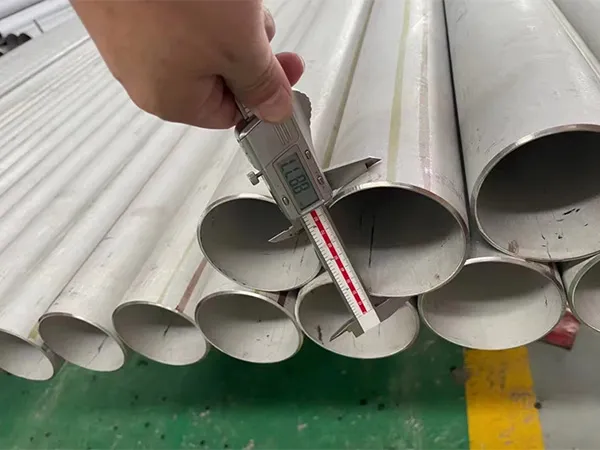
Chemical processing plants may use both seamless and welded stainless steel pipes depending on the application requirements.
Seamless stainless steel pipes are often used in high-pressure or critical chemical pipelines because they provide superior structural integrity.
These pipes are commonly manufactured according to standards such as ASTM A312.
Welded stainless steel pipes are often used for larger diameter pipelines and heat exchanger systems where cost efficiency and dimensional flexibility are important.
Both types of pipes must meet strict quality control and inspection standards before installation in chemical processing systems.
Stainless steel pipes are widely used throughout chemical processing plants.
Typical applications include:
Chemical transport pipelines connecting processing units.
Reactor feed lines transporting corrosive chemical solutions.
Heat exchanger piping systems used in thermal chemical processes.
Acid production plants where materials must resist strong acid corrosion.
Pharmaceutical chemical systems requiring corrosion-resistant and contamination-free piping.
Because stainless steel pipes offer excellent corrosion resistance and durability, they are essential components of modern chemical processing infrastructure.
Womic Steel is a professional manufacturer specializing in high-quality stainless steel pipes used in demanding industrial environments including chemical processing plants.
The company produces seamless and welded stainless steel pipes in accordance with international standards including ASTM A312, ASTM A790, and ASME piping specifications. These pipes are widely used in chemical processing facilities, refinery systems, energy infrastructure, and offshore engineering projects.
Womic Steel manufacturing facilities are equipped with advanced pipe forming equipment, cold drawing lines, heat treatment furnaces, and modern testing laboratories. These technologies allow the company to produce stainless steel pipes with excellent dimensional precision, high corrosion resistance, and reliable mechanical properties.
The company supplies a wide range of stainless steel materials including 304L, 316L, 321, 904L, and duplex stainless steel 2205. Each product undergoes comprehensive inspection including chemical composition analysis, mechanical testing, non-destructive examination, and dimensional verification.
With strong manufacturing capabilities and extensive export experience, Womic Steel delivers stainless steel piping solutions designed to meet the demanding requirements of global chemical processing industries.
Customized services. Rapid
production. Global reach. We ensure your specific needs are fulfilled with
precision and top-tier quality.
Website: www.womicstainless.com
Email:info@womicstainless.com
Tel/WhatsApp/WeChat:Victor: +86-15575100681 or Jack: +86-18390957568