Womic Stainless Steel Co., Ltd

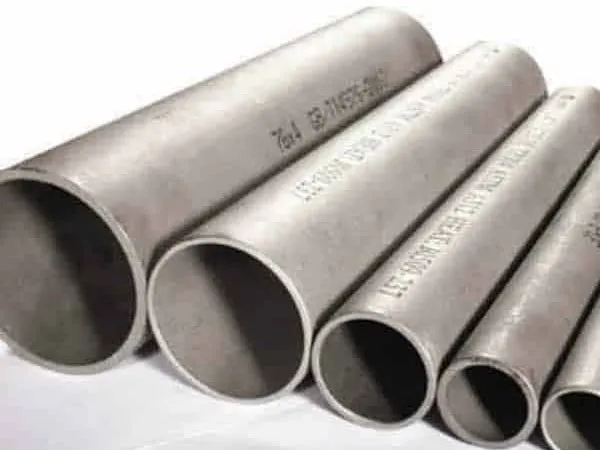
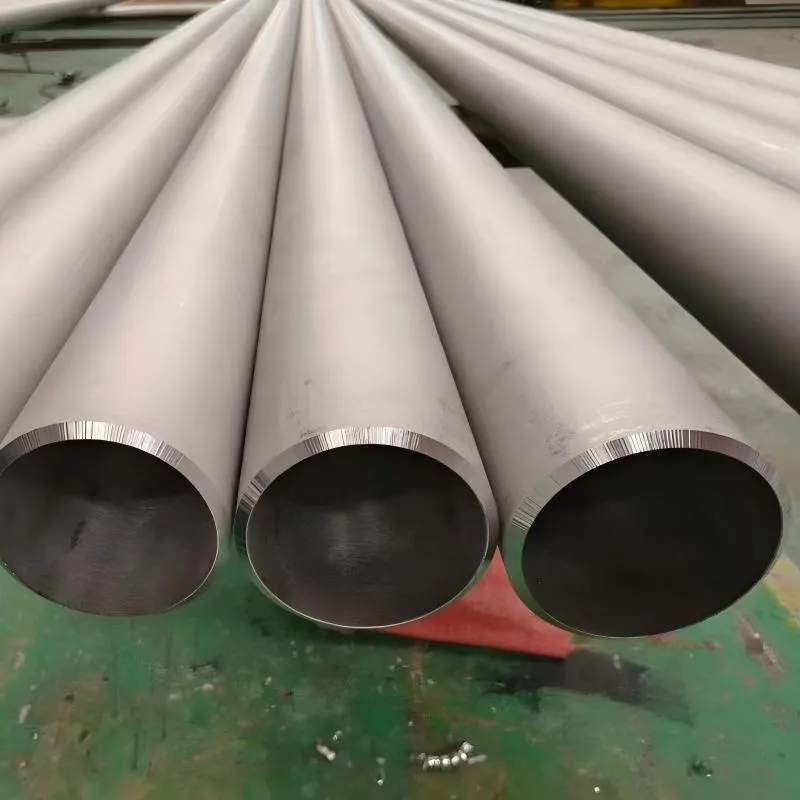
Womic Steel supplies 304L stainless steel pipe for chemical processing, food processing, water treatment, pharmaceutical, petrochemical and general industrial applications requiring corrosion resistance and reliable weldability.
304L stainless steel pipe is one of the most widely considered stainless steel piping products for industrial systems requiring a combination of corrosion resistance, fabrication performance and relatively straightforward welding characteristics.
The “L” designation is particularly important. Compared with standard 304 stainless steel, 304L has a lower carbon content, which reduces the potential for chromium carbide precipitation during welding and helps maintain corrosion resistance in the areas surrounding welded joints.
This characteristic makes 304L especially attractive for fabricated piping systems where welding is unavoidable. Process lines, tanks, fittings, supports and piping assemblies may involve numerous welded connections, making material behavior during fabrication an important procurement consideration.
However, low carbon content does not mean that every 304L pipe is automatically suitable for every corrosive environment. Actual service conditions, including chemicals, chlorides, temperature, concentration and exposure time, still need to be considered.
Womic Steel supplies 304L stainless steel pipe for industrial applications according to applicable standards, dimensions, testing and documentation requirements.
304L is a low-carbon version of the 304 austenitic stainless steel family.
Its basic corrosion-resistant characteristics come primarily from chromium and nickel alloying, while the lower carbon level is particularly relevant to welding and heat exposure.
Important characteristics include:
The low-carbon chemistry is especially relevant when a piping system involves extensive welding.
Welding exposes the material to elevated temperatures. In conventional higher-carbon austenitic stainless steels, certain thermal conditions can encourage chromium carbide precipitation at grain boundaries.
This phenomenon can reduce the chromium available locally for maintaining the passive layer and may increase susceptibility to intergranular corrosion under certain conditions.
304L reduces this concern because its lower carbon content limits carbide formation during welding.
Welded Piping Systems
Industrial piping frequently requires welding during installation. Long pipe runs may include welded joints, branch connections, fittings, flanges and fabricated spool sections.
Using a low-carbon grade can therefore simplify material selection where welded fabrication is a significant part of the project.
Post-Weld Considerations
Although 304L offers improved resistance to sensitization compared with conventional 304, welding procedures should still be properly controlled.
Heat input, interpass temperature, shielding and surface cleaning can influence weld quality and corrosion performance.
The manufacturing route depends on whether the pipe is seamless or welded.
Seamless 304L Pipe
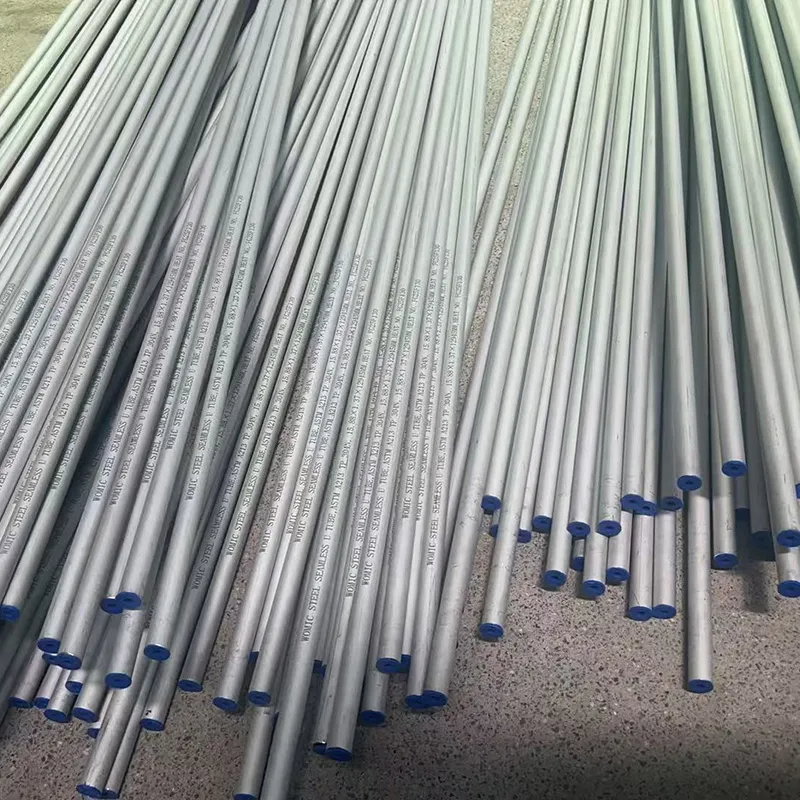
Seamless pipe is produced from a solid billet through heating, piercing, rolling, sizing and appropriate heat treatment.
Dimensional control is important because wall thickness and outside diameter influence installation and pressure-related requirements.
Welded 304L Pipe
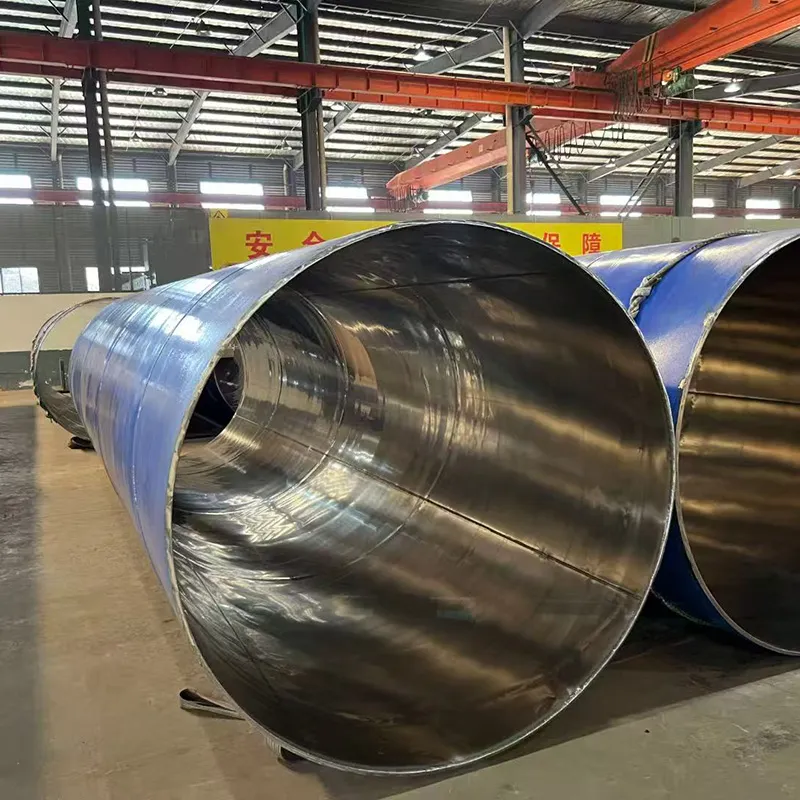
Welded pipe begins with stainless steel strip, coil or plate that is formed into a tubular shape and joined through a controlled welding process.
For welded 304L pipe, seam integrity and heat-affected zone control are particularly important.
In both manufacturing routes, chemical composition, heat treatment, dimensions and final inspection should correspond to the applicable product standard.
304L provides good general corrosion resistance in many industrial environments, particularly atmospheric and moderately corrosive applications.
However, stainless steel should not be considered universally corrosion-proof.
Chloride Environments
Chloride-containing environments can create localized corrosion risks, particularly under elevated temperatures or concentrated conditions.
Where chloride exposure is severe, higher-alloy stainless steels or duplex grades may be more appropriate.
Chemical Processing
The suitability of 304L depends on the specific chemical, concentration and operating temperature.
A material that performs well in one chemical process may not be appropriate for another.
Water Applications
304L is widely considered for many water-related systems, but water chemistry, chloride level, temperature and stagnant conditions should be evaluated before material selection.
Chemical Composition
Chemical analysis is important for confirming the 304L grade and, particularly, its low-carbon chemistry.
Mechanical Properties
Tensile strength, yield strength and elongation can be evaluated according to the applicable standard.
Dimensional Inspection
Outside diameter, wall thickness, length and straightness should be checked according to the specified tolerances.
Surface Inspection
Surface quality is important because contamination, scratches or inappropriate finishing can affect the appearance and potentially the corrosion performance of stainless steel.
PMI Verification
PMI can be used where required to confirm alloy identification and reduce the risk of material mix-up.
Chemical Processing
304L can be used for various process and utility piping systems where general corrosion resistance is required.
Food and Beverage
Its corrosion resistance and cleanable surface make 304L suitable for many food-processing environments, subject to the applicable hygienic requirements.
Pharmaceutical
304L can be considered for process and utility systems where appropriate surface and fabrication requirements are specified.
Water Treatment
The material can be used in selected water-treatment systems where the water chemistry is compatible with 304L.
General Industrial Piping
304L is also widely used for plant utility systems, equipment connections and fabricated piping.
A complete inquiry should ideally identify:
The intended service should also be stated whenever possible, particularly where chemicals, elevated temperatures or chloride-containing media are involved.
304L stainless steel pipe combines the established corrosion resistance of the 304 family with lower carbon content that provides an important advantage for welded fabrication. This makes 304L a practical option for many industrial piping systems where welding, corrosion resistance and fabrication efficiency must be considered together.
Nevertheless, material selection should always reflect the actual operating environment. Chloride concentration, chemical composition, temperature and fabrication conditions can all influence long-term performance.
Womic Steel supplies 304L stainless steel pipe in seamless and welded configurations according to agreed standards, dimensions, testing and documentation requirements.
For a quotation, please provide the pipe size, wall thickness, length, quantity, applicable standard, surface requirement and delivery term (EXW/FOB/CIF).