Womic Stainless Steel Co., Ltd

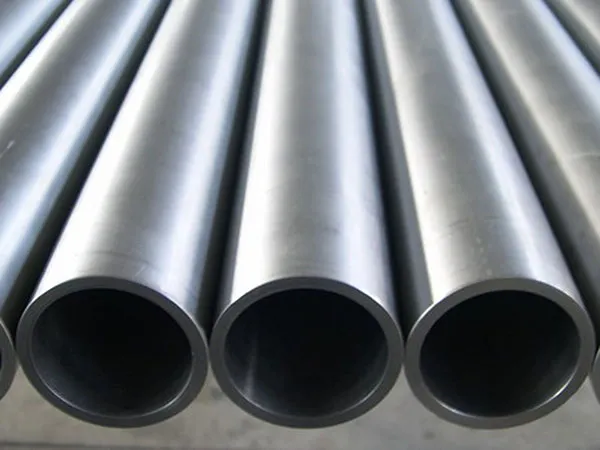
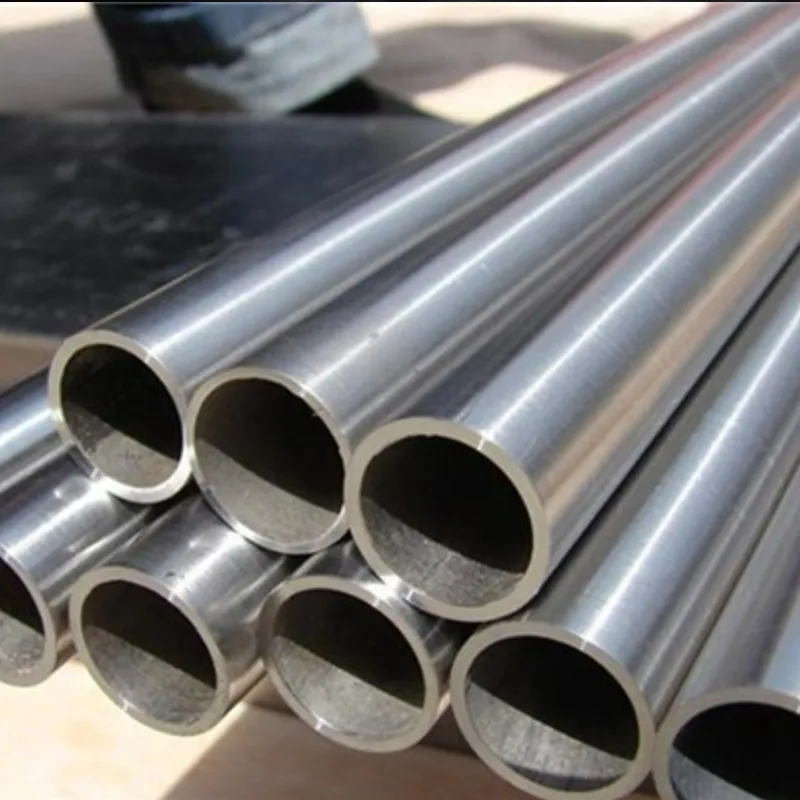
Womic Steel supplies Stainless Steel Welded Pipe for chemical processing, oil & gas, petrochemical, power generation and water treatment applications, with controlled forming, welding, heat treatment and inspection processes.
Stainless Steel Welded Pipe is an important solution for industrial piping systems where corrosion resistance, dimensional availability and reliable fabrication performance are required. Unlike seamless pipe, welded pipe is manufactured by forming stainless steel strip, coil or plate into a tubular shape and joining the edges through a controlled welding process.
The welded seam is therefore one of the most important areas of the manufacturing process. A high-quality Stainless Steel Welded Pipe requires appropriate raw material preparation, accurate forming, stable welding parameters, controlled heat input and effective inspection of both the base metal and welded area.
Welded stainless steel pipe is widely considered for industrial projects because the manufacturing route can provide flexibility in pipe diameter, wall thickness and length. This is particularly relevant for large-diameter piping systems, process lines and fabricated assemblies where dimensional consistency and efficient material utilization are important.
For buyers, however, the decision between welded and seamless pipe should be based on the actual service conditions and applicable specification rather than on the manufacturing method alone. Material grade, pressure, temperature, corrosion environment, pipe dimensions, welding requirements and inspection level all need to be considered together.
Womic Steel supplies stainless steel welded pipe for industrial applications according to agreed material standards, dimensions, testing requirements and project specifications.
Stainless Steel Welded Pipe is produced from flat stainless steel material that is formed into a tubular section and joined along the longitudinal seam.
The manufacturing route differs fundamentally from seamless pipe. A seamless pipe begins with a solid billet that is pierced to form a hollow section, while welded pipe starts with a flat product and creates the tubular geometry through forming.
This difference provides welded pipe with considerable manufacturing flexibility. Depending on the applicable production method and specification, welded pipe can be produced in a broad range of diameters and wall thicknesses.
Important procurement parameters include:
The stainless steel grade should be selected according to the operating environment. Austenitic grades such as 304L and 316L are commonly used for general corrosion-resistant applications, while higher-alloy and duplex stainless steels may be considered for more aggressive environments.
The quality of welded stainless steel pipe is closely related to the control of each manufacturing stage.
Raw Material Selection and Preparation
Production begins with stainless steel strip, coil or plate that meets the specified chemical and mechanical requirements.
Before forming, the material needs to be properly identified and prepared. Edge condition is particularly important because the edges will eventually become the welded joint.
The raw material should also remain traceable throughout manufacturing. This allows the finished pipe to be connected with the relevant heat number and material test records.
Forming the Pipe
The flat stainless steel material is progressively formed into a tubular shape. The objective is to bring the two edges together with suitable alignment before welding.
Forming accuracy affects several final characteristics, including pipe roundness, dimensional consistency and weld alignment.
If the forming process produces excessive edge mismatch or deformation, additional correction may be required before the welding stage.
Welding
Once the edges are correctly positioned, they are joined using the specified welding process.
Welding parameters must be controlled to achieve stable penetration and consistent weld geometry. Current, voltage, travel speed, heat input and shielding conditions can all influence weld quality.
For stainless steel, controlling heat input is particularly important because excessive thermal exposure can affect the microstructure and corrosion performance of certain grades.
Sizing and Straightening
After welding, sizing operations can be used to achieve the required outside diameter and roundness. Straightening may also be performed to meet applicable straightness requirements.
The finished pipe is then cut to the required length and prepared for inspection.
The longitudinal seam is a defining feature of Stainless Steel Welded Pipe, so weld integrity is a major part of quality control.
Weld Penetration and Fusion
The welding process needs to achieve appropriate penetration and fusion between the material edges. Insufficient penetration or incomplete fusion can create discontinuities that may affect the service reliability of the pipe.
At the same time, excessive heat input can create undesirable thermal effects. Welding parameters therefore need to remain within a controlled range appropriate for the material and pipe dimensions.
Weld Alignment
Accurate edge alignment before welding helps produce a consistent weld profile.
Excessive mismatch can influence the weld geometry and may complicate subsequent inspection or fabrication. Consistent forming and edge preparation therefore contribute directly to seam quality.
Heat-Affected Zone
The heat-affected zone is the area of base metal surrounding the weld that experiences elevated temperatures during welding.
Its metallurgical condition can be important for stainless steels because thermal exposure may influence corrosion resistance, microstructure and mechanical properties.
The significance of the heat-affected zone varies by material grade. It is therefore important to consider the stainless steel chemistry and applicable welding requirements rather than applying one approach to every grade.
Weld Surface Condition
The appearance and condition of the weld area can also be important, especially for applications involving corrosive media or stringent surface requirements.
Depending on the project, weld areas may require cleaning, grinding, pickling or passivation to achieve the specified surface condition.
Heat treatment can play an important role in the final condition of stainless steel welded pipe.
The required treatment depends on the material grade and applicable product specification. Some stainless steel products require controlled solution treatment to obtain the specified metallurgical condition after forming and welding.
For austenitic stainless steels, appropriate heat treatment can help maintain the required combination of corrosion resistance and mechanical properties.
For duplex stainless steel welded pipe, metallurgical control becomes even more critical. Duplex stainless steels rely on an appropriate balance between ferrite and austenite, and unsuitable thermal cycles can disturb this balance.
Cooling conditions following heat treatment can therefore be important as well.
The exact heat-treatment requirements should be confirmed during procurement because the required condition may vary according to grade, dimensions, applicable standard and intended service.
Quality control should cover the complete product rather than focusing only on the weld.
Chemical Composition
Chemical analysis confirms whether the material meets the specified stainless steel grade.
Elements such as chromium, nickel, molybdenum, carbon and nitrogen influence corrosion resistance, strength and metallurgical behavior.
For industrial projects, maintaining accurate material identification is particularly important when several stainless steel grades are being purchased at the same time.
Dimensional Inspection
Dimensional inspection can include outside diameter, wall thickness, length, roundness and straightness.
Consistent dimensions are important when welded pipe is installed together with fittings, flanges, valves or prefabricated spool sections.
Mechanical Testing
Depending on the applicable specification, mechanical testing may include tensile strength, yield strength and elongation.
These results provide evidence that the material meets the specified mechanical requirements.
Hydrostatic Testing
Hydrostatic testing may be required for pressure-containing piping. The applicable test pressure and acceptance criteria should follow the relevant product standard or purchase specification.
Non-Destructive Testing
NDT can provide additional evaluation of the welded seam or pipe body without damaging the finished product.
The applicable method and extent of examination should be agreed before production, particularly when the project has specific inspection requirements.
Selecting the correct product standard is essential when purchasing Stainless Steel Welded Pipe.
ASTM A312 is widely used for austenitic stainless steel pipe intended for general corrosion-resisting and high-temperature service and covers seamless, welded and heavily cold-worked pipe.
ASTM A358 addresses electric-fusion-welded austenitic chromium-nickel alloy steel pipe and is relevant to certain industrial applications involving corrosive or high-temperature service.
The applicable standard should not be selected simply according to pipe size. It must correspond to the material grade, manufacturing route, service conditions and project specification.
Buyers should also verify whether the project requires additional requirements beyond the basic product standard, such as supplementary testing, third-party inspection or specific certification.
Stainless steel welded pipe may require different surface conditions depending on its final application.
During welding, heat can produce oxidation or heat tint around the weld area. If the required application is sensitive to surface contamination or corrosion performance, appropriate cleaning and surface treatment may be necessary.
Depending on the specification, finishing requirements may include:
Pickling
Pickling can be used to remove certain oxide layers and surface contamination produced during manufacturing or welding.
Passivation
Passivation is used to support the formation of a stable passive surface condition on stainless steel after suitable cleaning.
Mechanical Finishing
Grinding, polishing or other mechanical finishing processes may be required where a specific surface appearance or roughness is specified.
The surface requirement should be clearly stated in the inquiry because “mill finish,” “pickled,” “polished” and other descriptions should not be treated as interchangeable requirements.
Stainless Steel Welded Pipe is used across multiple industrial sectors.
Chemical Processing
Chemical plants require piping materials capable of handling different chemicals, temperatures and concentrations. Stainless steel grades are selected according to the actual process environment.
Oil & Gas
Welded stainless steel pipe can be used in process and utility piping systems where corrosion resistance and dimensional availability are important.
Petrochemical
Refineries and petrochemical facilities use stainless steel piping for process systems and supporting utilities exposed to elevated temperatures and corrosive media.
Power Generation
Stainless steel welded pipe can be applied in cooling systems, utility piping and other plant systems where resistance to corrosion and reliable fabrication are required.
Water Treatment
Water-treatment systems can use stainless steel pipe where long service life, corrosion resistance and ease of maintenance are important considerations.
For each application, material grade and inspection requirements should be selected according to the actual operating conditions.
A complete inquiry should ideally identify:
For project procurement, buyers should also clarify the intended application and whether the material is for an awarded project, maintenance requirement or tender. This information can help determine the appropriate technical and commercial quotation.
Stainless Steel Welded Pipe provides an efficient and versatile solution for many industrial piping systems. Its advantages are closely connected with the flexibility of welded manufacturing, particularly for larger dimensions and project-specific requirements.
However, welded pipe quality cannot be evaluated only by the stainless steel grade or the appearance of the finished surface. Forming accuracy, welding parameters, weld penetration, heat-affected zone control, heat treatment, dimensional inspection and non-destructive testing all contribute to the reliability of the finished product.
For industrial buyers, clearly defining the applicable standard, material grade, dimensions, weld inspection, testing, documentation and surface requirements at the inquiry stage can help prevent specification misunderstandings and improve procurement efficiency.
Womic Steel supplies Stainless Steel Welded Pipe for industrial applications according to agreed technical and project requirements.
For a quotation, please send the material grade, OD, wall thickness, length, quantity, applicable standard and delivery term (EXW/FOB/CIF). For CIF orders, please also provide the destination port so the quotation can be prepared accurately.