Womic Stainless Steel Co., Ltd

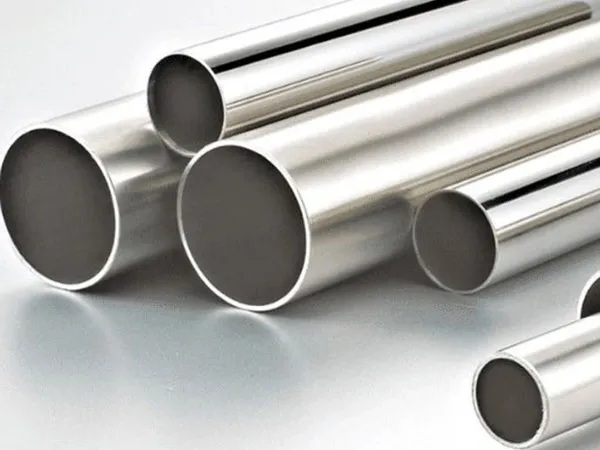
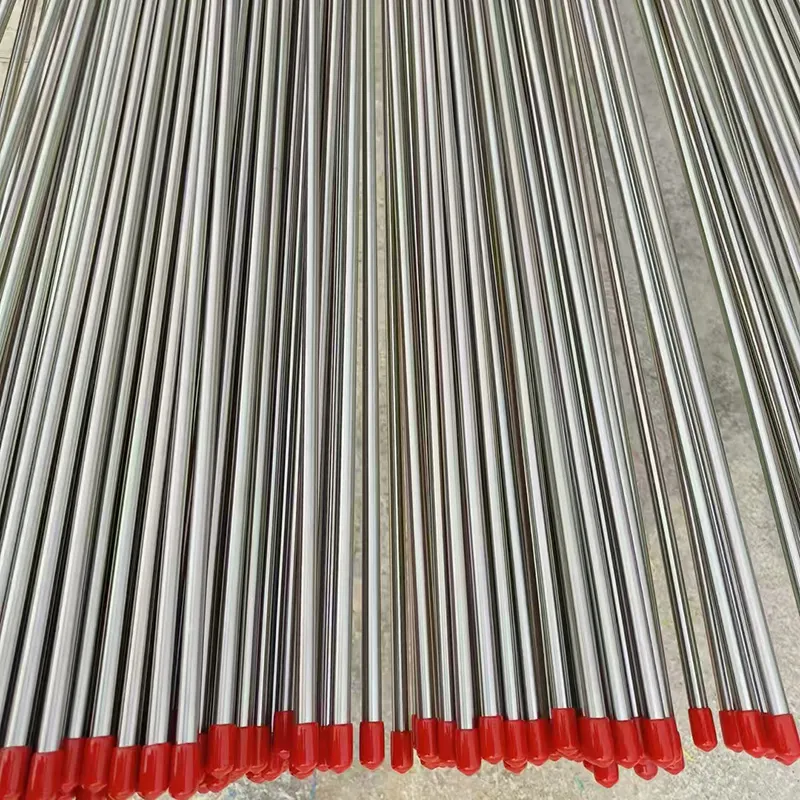
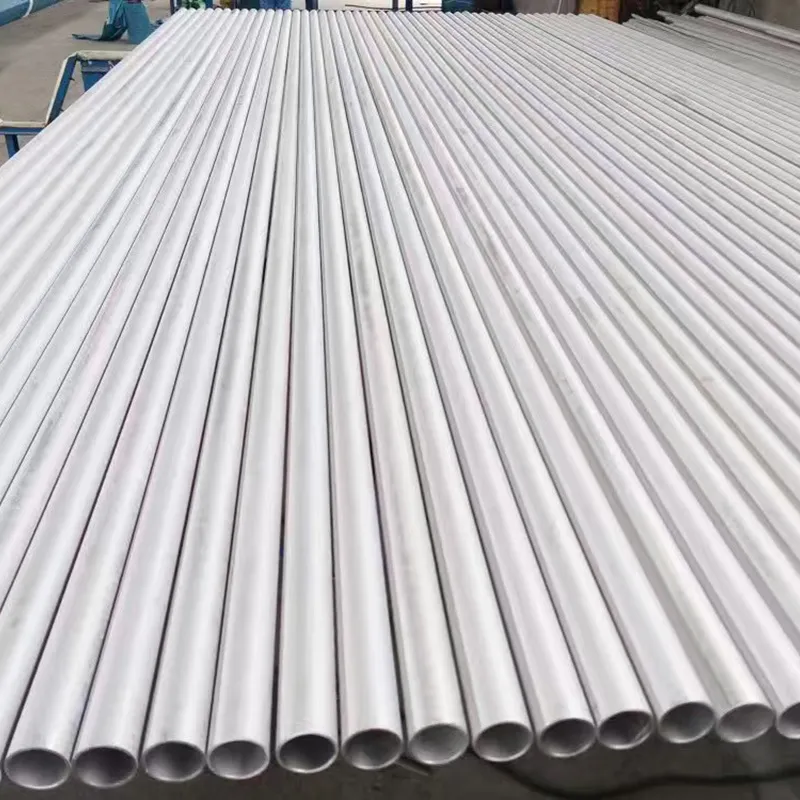
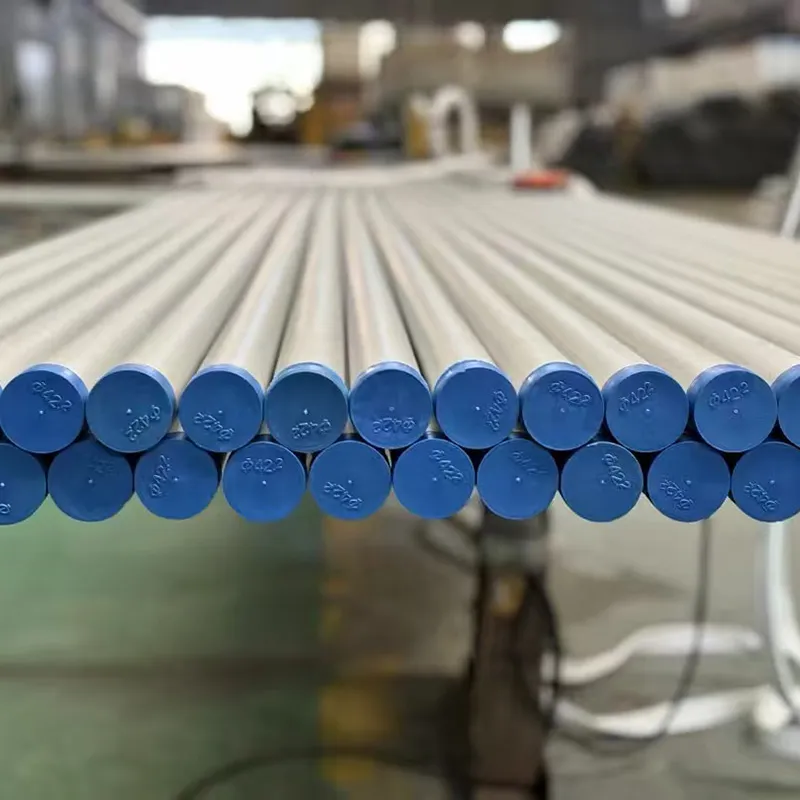
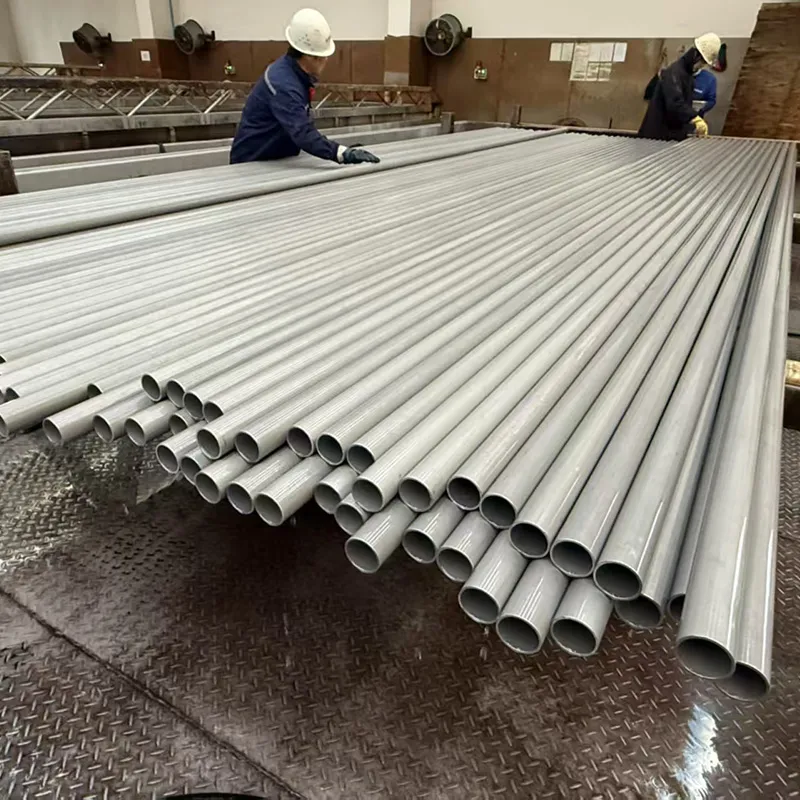
Womic Steel supplies Stainless Steel Seamless Pipe in various grades, sizes and wall thicknesses for oil & gas, chemical processing, power generation, petrochemical and other demanding industrial applications.
Stainless Steel Seamless Pipe continues to play an important role in industrial piping systems where material reliability, corrosion resistance and consistent dimensional performance are essential. Unlike welded pipe, seamless pipe is manufactured from a solid steel billet and formed into a hollow section without a longitudinal welding seam.
This manufacturing route makes seamless pipe particularly suitable for applications involving demanding operating conditions. However, the absence of a weld seam does not automatically guarantee higher quality. Billet quality, piercing, rolling, sizing, heat treatment, dimensional control and final inspection all have a direct influence on the performance of the finished pipe.
For industrial buyers, selecting a suitable seamless stainless steel pipe therefore requires more than confirming the pipe diameter and material grade. The manufacturing method, wall thickness, heat-treatment condition, surface quality, testing requirements and documentation should all be considered before an order is finalized.
Womic Steel supplies stainless steel seamless pipe for a range of industrial applications and focuses on manufacturing consistency, material identification and quality inspection according to the agreed specifications and project requirements.
Stainless Steel Seamless Pipe is manufactured from a solid round billet that is heated and pierced to create a hollow section. The hollow billet is then processed through rolling, elongation, sizing and other finishing operations until the required dimensions are achieved.
Because there is no longitudinal weld seam, the pipe has a continuous material structure around its circumference. This characteristic is one reason seamless pipe is widely considered for applications where pressure resistance and structural consistency are important.
Typical procurement parameters include:
Common stainless steel grades used for seamless pipe include austenitic grades such as 304, 304L, 316 and 316L, as well as duplex and other high-alloy stainless steels for more demanding environments.
The appropriate grade should always be selected according to the actual operating medium, temperature, pressure and corrosion conditions.
The manufacturing process is one of the most important factors affecting the final quality of seamless pipe.
Billet Preparation
Production starts with a solid stainless steel billet with the required chemical composition. The quality and consistency of the billet are important because defects or chemistry variations in the starting material can affect subsequent forming operations and final pipe properties.
Heating and Piercing
The billet is heated to a suitable temperature before piercing. During piercing, the solid billet is transformed into a hollow shell.
Piercing accuracy is important because poor control can contribute to uneven wall thickness, eccentricity or dimensional instability.
Rolling and Elongation
The hollow shell undergoes further deformation to reduce wall thickness, increase length and approach the required outside diameter.
Controlled rolling helps achieve more consistent dimensions and contributes to the required mechanical and metallurgical properties of the finished pipe.
Sizing and Straightening
After the main forming operations, sizing equipment is used to achieve the specified outside diameter and dimensional tolerances. Straightening may also be performed to control pipe alignment.
The pipe is then cut to the required length and prepared for inspection and final finishing.
Dimensional control is particularly important when Stainless Steel Seamless Pipe is used together with fittings, flanges, valves and fabricated piping spools.
Outside diameter must remain within the applicable tolerance so that the pipe can be properly connected and installed. Wall thickness is equally important because it affects weight, pressure performance and corrosion allowance.
Wall-thickness consistency can be influenced by billet quality, piercing conditions, rolling parameters and sizing operations. Therefore, dimensional inspection should not be treated as a final-stage formality; it is closely connected with the entire manufacturing process.
Length control is also relevant for project procurement. Pipes may be supplied in specified random lengths, fixed lengths or project-specific cut lengths depending on the purchase requirements.
For large industrial orders, consistent dimensions across different production batches can help simplify fabrication, installation and material planning.
Heat treatment is an important stage in stainless steel seamless pipe manufacturing because hot forming can influence the material's microstructure and mechanical properties.
The appropriate heat-treatment process depends on the stainless steel grade and applicable product standard. Austenitic stainless steels, duplex stainless steels and other alloy systems have different metallurgical characteristics and therefore require different processing considerations.
For austenitic stainless steels, solution treatment is commonly associated with restoring the desired metallurgical condition after manufacturing.
For duplex stainless steel, heat-treatment control is particularly important because the balance between ferrite and austenite affects strength, toughness and corrosion resistance.
Cooling after heat treatment also requires appropriate control. An unsuitable thermal cycle can result in undesirable microstructural conditions and potentially affect service performance.
For this reason, buyers should clearly specify the required heat-treatment condition when requesting a quotation for Stainless Steel Seamless Pipe.
A professional quality-control process should cover the material from the initial billet through final inspection.
Chemical Composition
Chemical analysis confirms that the stainless steel corresponds to the specified grade. Elements such as chromium, nickel, molybdenum, carbon and nitrogen have a significant influence on corrosion resistance and mechanical properties.
For example, low-carbon grades such as 304L and 316L require appropriate carbon control, while duplex grades depend on carefully controlled alloying elements and metallurgical balance.
PMI Verification
Positive Material Identification (PMI) may be used to verify alloy identification, particularly for projects involving multiple stainless steel grades.
PMI is useful for reducing the risk of material mix-ups during manufacturing, storage and shipment.
Mechanical Testing
Mechanical testing can include tensile strength, yield strength and elongation testing according to the applicable product specification.
These results help demonstrate whether the supplied pipe meets the required mechanical performance.
Hydrostatic and Non-Destructive Testing
Depending on the applicable standard and purchase order, hydrostatic testing and non-destructive examination may be required.
The exact testing method should be confirmed during the quotation stage so that inspection requirements can be incorporated into the production plan.
Although seamless pipe does not contain a longitudinal weld seam, its surface still requires careful inspection.
During manufacturing, surface conditions can be influenced by heating, forming, sizing, straightening and handling. Any unacceptable surface imperfections need to be evaluated according to the applicable product specification.
Final inspection can include:
For stainless steel pipe intended for demanding industrial service, final inspection provides an important confirmation that the finished material corresponds to the purchase requirements.
Material traceability is an important part of industrial stainless steel pipe procurement. Buyers often need documentation that allows the supplied material to be connected with its manufacturing and inspection records.
Depending on project requirements, documentation may include:
Material Test Certificates
Material Test Certificates provide important information about the supplied steel and its test results. The certificate requirements should be confirmed before production, particularly when a project requires a specific certification level or inspection arrangement.
Heat Number Traceability
Heat numbers help connect finished pipes with the original steel melt and corresponding test records. Maintaining traceability throughout cutting, inspection, marking and packing helps reduce the possibility of material identification errors.
For project-based purchasing, clear documentation can be as important as the physical quality of the pipe itself.
Stainless Steel Seamless Pipe is used across many industries where corrosion resistance and reliable mechanical performance are required.
Oil & Gas
Seamless stainless steel pipe can be used in process piping, utility systems and other applications where corrosion resistance and pressure performance are important.
Chemical Processing
Chemical plants often require stainless steel materials because process fluids may create corrosive conditions. The appropriate grade should be selected based on the specific chemical environment.
Petrochemical
Refineries and petrochemical facilities use stainless steel piping in various process and utility systems, with material selection depending on temperature, pressure and medium.
Power Generation
Stainless steel seamless pipe can be used in auxiliary systems, process piping and other areas where resistance to corrosion and elevated temperatures is required.
Water Treatment
Stainless steel piping is also used in water-treatment and industrial water systems where long-term corrosion resistance and hygienic or cleanable surfaces may be important.
A complete inquiry should ideally identify:
Providing these details at the inquiry stage allows the manufacturer to evaluate material availability, production requirements, inspection arrangements and delivery conditions more accurately.
Stainless Steel Seamless Pipe remains an important solution for industrial piping systems where corrosion resistance, dimensional consistency and reliable mechanical performance are required. Its quality depends not simply on the absence of a weld seam, but on controlled billet selection, piercing, rolling, sizing, heat treatment and final inspection.
For buyers, a successful procurement process should therefore consider the complete supply chain—from material grade and manufacturing method to testing, traceability, documentation and delivery.
Womic Steel supplies stainless steel seamless pipe for industrial applications and can work according to the required material grade, dimensions, testing and project specifications.
For a quotation, please send the grade, OD, wall thickness, length, quantity, applicable standard and delivery term (EXW/FOB/CIF). For CIF orders, please also provide the destination port so the quotation can be prepared accordingly.