Womic Stainless Steel Co., Ltd

The surface finish of stainless steel pipes plays an important role in determining not only the visual appearance of the material but also its corrosion resistance, cleanability, and suitability for specific industrial environments. Different manufacturing processes and finishing treatments can produce stainless steel pipes with significantly different surface characteristics.
In industrial applications, surface finishes are often selected based on functional requirements such as corrosion resistance, hygiene standards, mechanical durability, or aesthetic appearance. Stainless steel pipes used in chemical processing systems, food production lines, pharmaceutical equipment, offshore installations, and architectural structures may require different surface conditions to ensure reliable performance.
Surface finishing processes may involve mechanical polishing, chemical treatment, grinding, brushing, or specialized finishing technologies designed to achieve specific surface roughness levels. These processes improve the protective oxide layer of stainless steel and enhance the overall quality of the pipe surface.
Manufacturers such as Womic Steel apply a variety of surface finishing methods during stainless steel pipe production to meet the diverse requirements of global industrial customers.
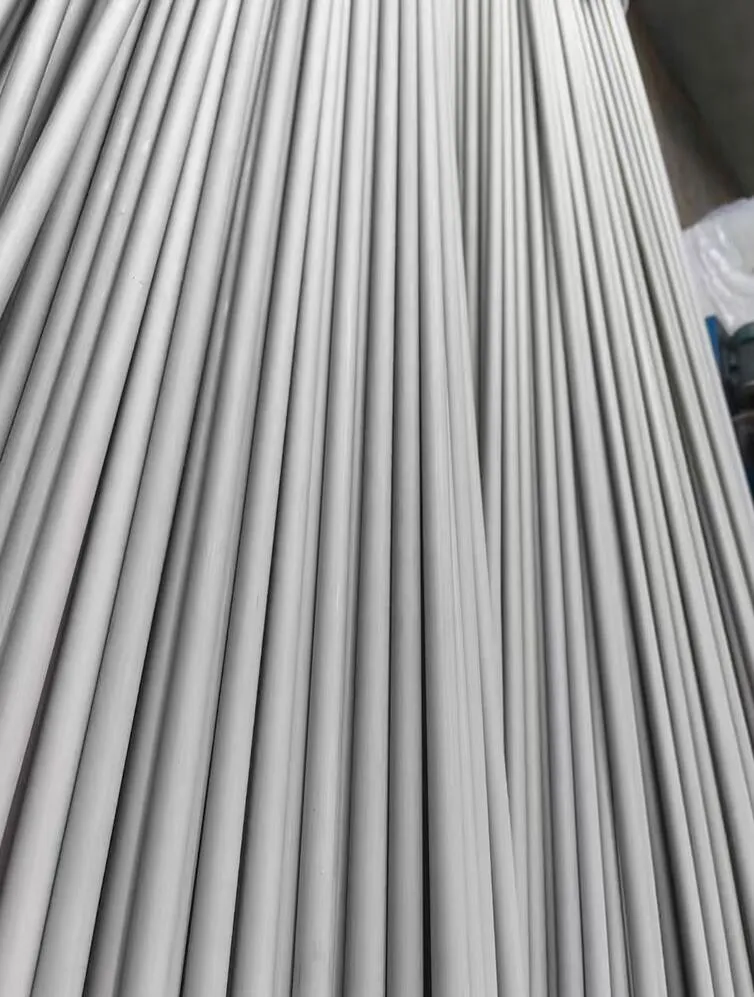
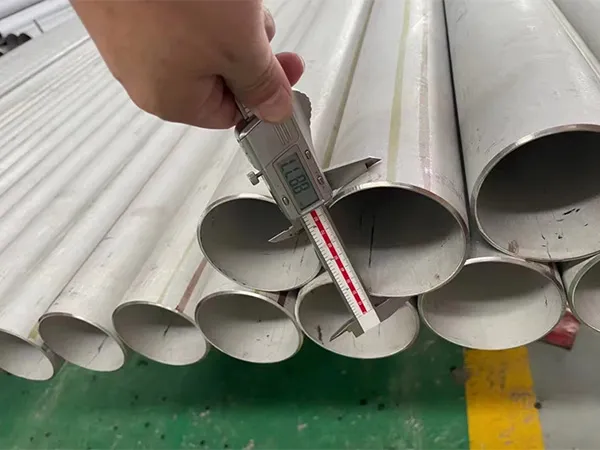
Mill finish is the basic surface condition of stainless steel pipes directly after rolling, forming, or heat treatment processes. Pipes in this condition typically have oxide scale or slight discoloration caused by high-temperature manufacturing operations.
Mill finish stainless steel pipes are commonly used in general industrial environments where surface appearance is not the primary concern. Applications such as structural supports, industrial piping systems, and certain mechanical components may accept mill finish surfaces.
Although mill finish pipes may undergo cleaning or light surface treatment before delivery, they generally do not receive additional polishing or decorative finishing.
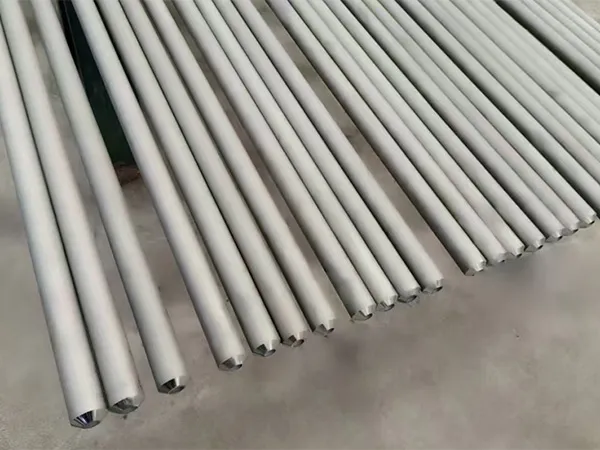
Pickled stainless steel pipes are widely used in industrial applications where corrosion resistance is important but a highly polished surface is not required.
Pickling removes oxide scale, welding heat tint, and other surface contaminants that develop during manufacturing processes such as hot rolling or welding. After pickling, the pipe surface appears matte and uniform with improved corrosion resistance.
Pickled stainless steel pipes are commonly used inchemical plants, oil and gas processing facilities, water treatment systems, and power generation equipment.
Because pickling restores the protective oxide layer of stainless steel, it is one of the most common surface finishing processes applied to industrial stainless steel pipes.
Brushed or satin finishes are produced through mechanical grinding processes that create fine parallel lines on the stainless steel surface. These finishes improve the visual appearance of the pipe while maintaining good corrosion resistance.
Brushed stainless steel pipes are commonly used inarchitectural construction, decorative installations, building structures, and commercial interior designs.
The brushed finish reduces surface glare and provides a consistent appearance across large stainless steel structures.
Although brushed surfaces are mainly used for aesthetic purposes, they also offer moderate resistance to fingerprints and surface scratches.
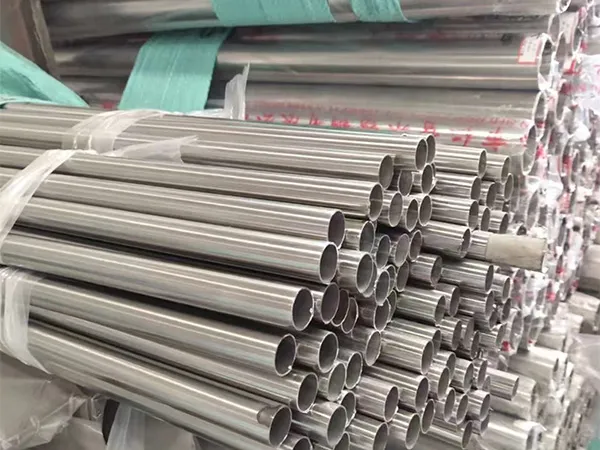
Polished stainless steel pipes are produced through multi-stage mechanical polishing processes that gradually refine the surface roughness of the material.
Depending on the level of polishing, stainless steel pipes may achieve mirror-like finishes with extremely smooth surfaces. These polished surfaces are commonly classified according to surface roughness values.
Highly polished stainless steel pipes are widely used in industries where cleanliness and hygiene are critical, includingfood processing plants, pharmaceutical manufacturing facilities, biotechnology laboratories, and high-purity chemical processing systems.
Smooth polished surfaces reduce the risk of bacterial growth and make cleaning and sterilization procedures more effective.
Industries such as food production, dairy processing, beverage manufacturing, and pharmaceutical processing require stainless steel pipes with strict hygienic surface standards.
These industries often specify surface roughness limits to ensure that the pipe surface remains smooth enough to prevent contamination and microbial growth.
Hygienic stainless steel pipes may undergo additional polishing and cleaning processes to meet these requirements.
Specialized finishing procedures may also be used to remove microscopic surface imperfections that could trap contaminants during processing operations.
Surface roughness is an important parameter used to evaluate stainless steel pipe surface quality. It is typically measured using specialized instruments that determine the average roughness value of the pipe surface.
Lower roughness values indicate smoother surfaces, which are generally preferred for hygienic applications and high-purity fluid systems.
Surface roughness requirements may vary depending on industry standards and application requirements.
Manufacturers must carefully control finishing processes to achieve the desired surface roughness levels for specific applications.
Different industries require different stainless steel pipe surface finishes depending on operating conditions and performance requirements.
Chemical processing plants may require pickled stainless steel pipes for corrosion resistance. Food and pharmaceutical industries often require highly polished surfaces to meet hygienic standards.
Architectural applications may specify brushed or decorative finishes to achieve the desired visual appearance.
Selecting the appropriate surface finish ensures that stainless steel pipes perform effectively in their intended service environments.
Womic Steel offers a wide range of stainless steel pipe surface finishing options to meet the needs of different industries and project specifications.
The company utilizes modern surface treatment equipment and strict quality control procedures to ensure consistent surface finishes across all products.
Available finishing options include industrial pickled surfaces, brushed finishes, and polished surfaces suitable for hygienic applications.
Through advanced manufacturing technology and comprehensive inspection procedures, Womic Steel ensures that stainless steel pipes meet international quality standards and customer requirements.
Customized services. Rapid production. Global reach. We ensure your specific needs are fulfilled with precision and top-tier quality.
Website: www.womicstainless.com
Email:info@womicstainless.com
Tel/WhatsApp/WeChat:Victor: +86-15575100681 or Jack: +86-18390957568