Womic Stainless Steel Co., Ltd

Surface condition plays a critical role in determining the corrosion resistance, durability, and long-term performance of stainless steel pipes. Although stainless steel is known for its excellent corrosion resistance, this property is strongly dependent on the integrity of the thin passive oxide layer that forms naturally on the metal surface.
During stainless steel pipe manufacturing processes such ashot rolling, welding, heat treatment, forming, and mechanical finishing, the pipe surface may develop oxide scale, welding discoloration, heat tint, or contamination from iron particles and other impurities. These surface contaminants can significantly reduce the corrosion resistance of stainless steel pipes if they are not properly removed.
To restore the natural corrosion resistance of stainless steel materials, manufacturers apply specialized chemical surface treatment processes known aspickling and passivation. These treatments remove surface oxide layers, eliminate contamination, and promote the formation of a stable chromium-rich passive film.
Pickling and passivation are essential finishing processes for stainless steel pipes used in industries such aschemical processing, petrochemical plants, food processing facilities, pharmaceutical manufacturing, marine engineering, desalination plants, and high-purity fluid transportation systems.
At Womic Steel, stainless steel pipes undergo carefully controlled pickling and passivation processes to ensure clean surfaces, improved corrosion resistance, and compliance with international industry standards.
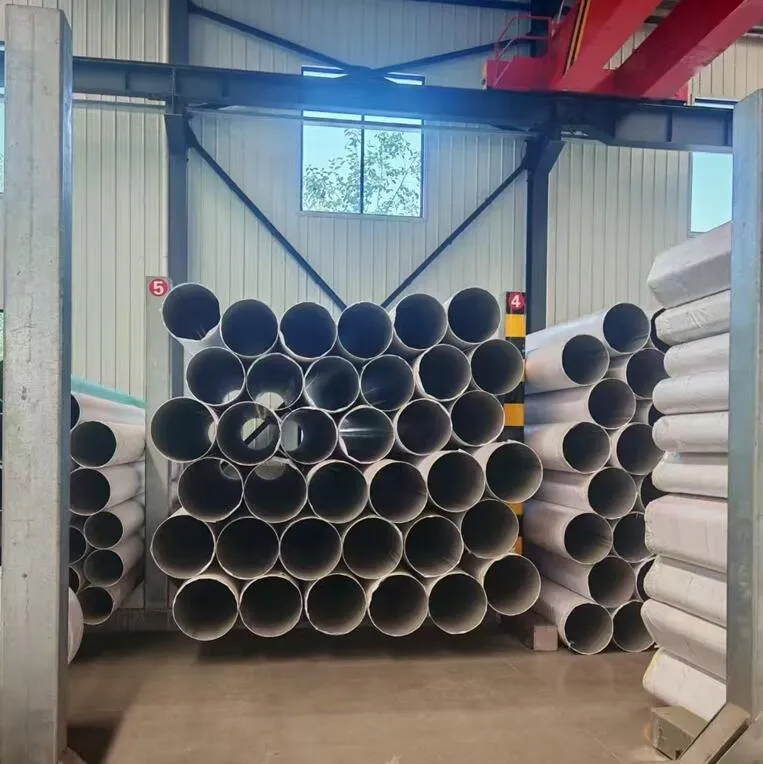
Before discussing the pickling process, it is important to understand how oxide scale forms on stainless steel pipes during manufacturing.
When stainless steel pipes are exposed to high temperatures during processes such ashot rolling, solution annealing, welding, or heat treatment, the metal surface reacts with oxygen in the surrounding atmosphere. This reaction forms an oxide layer commonly known asmill scale or heat scale.
The composition of this oxide layer typically includes iron oxides, chromium oxides, and complex oxide compounds formed at elevated temperatures. These oxide scales are much thicker and less protective than the natural passive layer that normally forms on stainless steel.
In addition to oxide scale, welding processes can produceheat tint, which appears as colored discoloration around the weld area. Heat tint indicates localized chromium depletion that can reduce corrosion resistance if not removed.
Therefore, removing oxide scale and heat tint is an essential step in restoring the corrosion resistance of stainless steel pipes.
Pickling is a chemical cleaning process used to remove oxide scale, welding discoloration, and surface contamination from stainless steel pipes.
During pickling, stainless steel pipes are immersed in or treated with specialized acid solutions that dissolve the oxide layers formed during high-temperature processing. The most commonly used pickling solutions are mixtures ofnitric acid and hydrofluoric acid, which are highly effective at removing chromium oxide and iron oxide layers.
The pickling process typically involves several stages including surface cleaning, acid immersion, rinsing, and neutralization. The acid solution reacts with oxide scale and dissolves it, exposing the clean stainless steel surface beneath.
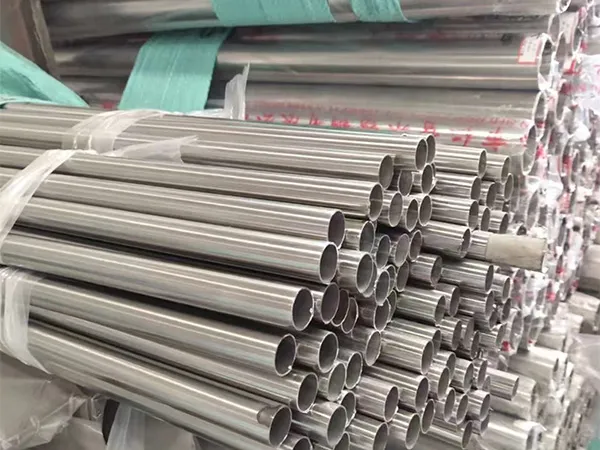
After pickling, the pipe surface appears metallic and uniform, free from oxide scale and discoloration. This clean surface is necessary for the formation of a stable passive layer during the subsequent passivation process.
Proper control of acid concentration, temperature, and treatment time is essential to ensure effective oxide removal while preventing excessive metal loss.
After pickling removes oxide scale and surface contamination, stainless steel pipes undergo a passivation treatment designed to enhance corrosion resistance.
Passivation involves treating the stainless steel surface with oxidizing chemical solutions, typically nitric acid or citric acid based formulations. These solutions promote the formation of a thin and stable chromium oxide film on the metal surface.
This chromium oxide film acts as a protective barrier that prevents further oxidation and corrosion. The passive film is extremely thin yet highly effective at protecting the underlying metal from aggressive environments.
Passivation treatments are particularly important for stainless steel pipes used in industries where corrosion resistance is critical, such asoffshore oil platforms, chemical reactors, pharmaceutical production systems, and food processing pipelines.
Although pickling and passivation are often mentioned together, they serve different purposes in stainless steel surface treatment.
Pickling is primarily a cleaning process that removes oxide scale, heat tint, and surface contamination produced during manufacturing processes.
Passivation, on the other hand, is a chemical treatment that enhances the natural corrosion resistance of stainless steel by strengthening the protective oxide layer.
In many stainless steel pipe manufacturing processes, pickling and passivation are performed sequentially to ensure both clean surfaces and optimal corrosion resistance.
Pickling and passivation significantly improve the surface condition of stainless steel pipes. After these treatments, the pipe surface becomes clean, uniform, and free from oxide scale or discoloration.
Improved surface quality not only enhances corrosion resistance but also improves the appearance of stainless steel pipes used in architectural or decorative applications.
For industrial piping systems, smooth and clean surfaces also help prevent contamination and reduce the risk of bacterial growth in hygienic environments.
Industries such asfood processing, dairy production, beverage manufacturing, and pharmaceutical processingoften require stainless steel pipes with properly treated surfaces to meet strict sanitary standards.
Pickling processes involve strong acids that must be handled carefully to ensure worker safety and environmental protection.
Modern stainless steel pipe manufacturers use specialized pickling facilities equipped with ventilation systems, acid recycling units, and wastewater treatment systems.
These systems minimize environmental impact while ensuring safe operation during chemical surface treatment processes.
Proper waste neutralization and recycling procedures are essential to meet environmental regulations and maintain sustainable manufacturing practices.
Many industrial sectors require stainless steel pipes that have undergone pickling and passivation treatment to ensure maximum corrosion resistance.
Typical applications includechemical processing pipelines, pharmaceutical fluid systems, offshore oil and gas pipelines, marine desalination plants, food processing equipment, and high purity gas systems.
In these applications, stainless steel pipes must maintain long service life while resisting aggressive chemicals, saltwater exposure, or hygienic cleaning procedures.
Proper surface treatment ensures that stainless steel pipes perform reliably in these demanding environments.
After pickling and passivation processes are completed, stainless steel pipes undergo quality inspection to verify surface condition and corrosion resistance.
Inspection methods may include visual examination, surface roughness measurement, chemical residue testing, and corrosion resistance evaluation.
These inspections ensure that the surface treatment process has been performed correctly and that the stainless steel pipes meet the required industry specifications.
Womic Steel applies advanced pickling and passivation processes to ensure that stainless steel pipes achieve optimal corrosion resistance and surface quality.
The company utilizes modern chemical treatment systems and strict process controls to maintain consistent surface finishing standards across all production batches.
Every stainless steel pipe undergoes thorough surface inspection before shipment to ensure compliance with international quality standards and project specifications.
With extensive experience in stainless steel pipe manufacturing and surface treatment technology, Womic Steel provides reliable products for industrial customers worldwide.
Customized services. Rapid production. Global reach. We ensure your specific needs are fulfilled with precision and top-tier quality.
Website: www.womicstainless.com
Email:info@womicstainless.com
Tel/WhatsApp/WeChat:Victor: +86-15575100681 or Jack: +86-18390957568