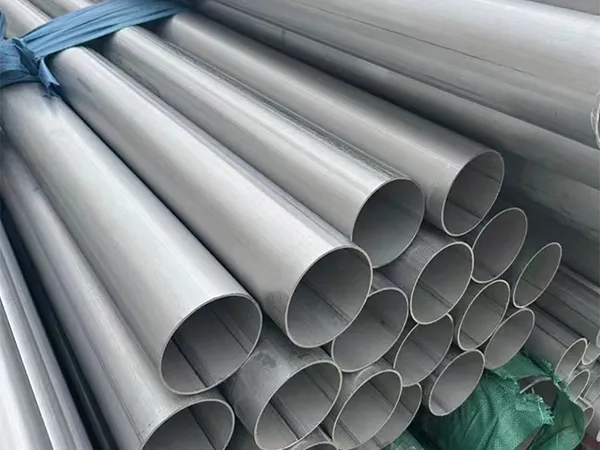
Womic Stainless Steel Co., Ltd

Quality control is a fundamental part of stainless steel pipe manufacturing. Industrial piping systems often operate under demanding conditions such as high pressure, high temperature, and corrosive environments. Any defects in the pipe material may lead to system failure, safety risks, or costly maintenance issues.
For this reason, stainless steel pipes must undergo comprehensive inspection and testing procedures during production. These procedures verify that the pipes meet required specifications for chemical composition, mechanical properties, dimensional accuracy, and structural integrity.
Quality inspection also ensures compliance with international standards such asASTM, ASME, API, and EN specificationscommonly used in global industrial projects.
Manufacturers like Womic Steel implement strict quality management systems to ensure that every stainless steel pipe delivered to customers meets these standards.
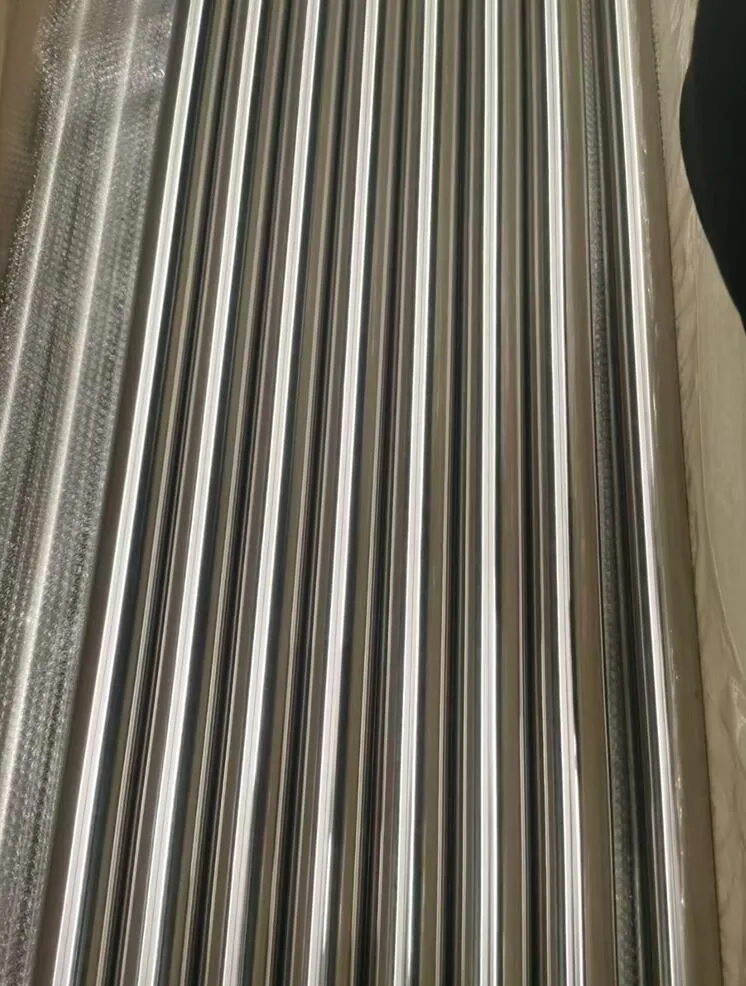
Quality control begins with the inspection of raw materials used in stainless steel pipe production.
Stainless steel billets, coils, or plates must undergo chemical composition analysis to verify that alloy elements meet specification requirements. Accurate control of elements such as chromium, nickel, molybdenum, and carbon is essential for achieving the desired corrosion resistance and mechanical performance.
Surface inspection of raw materials is also necessary to detect defects such as cracks, inclusions, or segregation that could affect the final pipe quality.
Non destructive testing methods are widely used to detect defects in stainless steel pipes without damaging the material.
One of the most common techniques isultrasonic testing (UT), which uses high-frequency sound waves to detect internal defects such as cracks, voids, or inclusions within the pipe wall.
Another commonly used method iseddy current testing (ECT), which detects surface and near-surface defects by measuring variations in electromagnetic fields.
These testing methods are particularly important for pipes used in high pressure or safety-critical applications.
Hydrostatic pressure testing is used to verify the pressure resistance of stainless steel pipes.
During this test, the pipe is filled with water and subjected to internal pressure that exceeds its normal operating conditions. The pipe is then inspected for leaks or structural deformation.
Hydrostatic testing ensures that the pipe can safely withstand the pressures encountered during service in industrial piping systems.
Mechanical testing verifies that stainless steel pipes meet required strength and ductility specifications.
Tensile testing measures the material’s yield strength, tensile strength, and elongation properties. Hardness testing evaluates the resistance of the material to deformation.
These tests confirm that the pipe material has the mechanical properties necessary for reliable operation in demanding industrial environments.
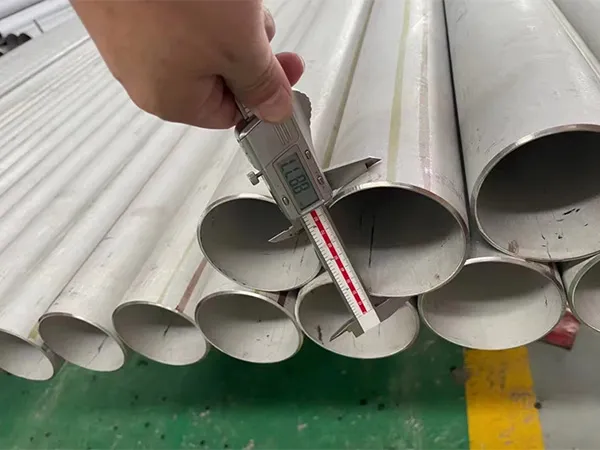
Dimensional inspection ensures that stainless steel pipes meet specified tolerances for outer diameter, wall thickness, length, and straightness.
Accurate dimensional control is critical for proper installation and system compatibility. Pipes that do not meet dimensional specifications may cause alignment problems during assembly.
Manufacturers use precision measuring equipment to verify pipe dimensions throughout the production process.
Visual inspection is one of the simplest but most important quality control procedures.
Inspectors examine the pipe surface for visible defects such as scratches, dents, corrosion marks, or welding imperfections. Surface condition is particularly important for stainless steel pipes used in hygienic industries or architectural applications.
Any defects that could affect performance or appearance must be corrected before the pipes are delivered to customers.
After completing all inspection and testing procedures, manufacturers issue quality documentation to certify that the stainless steel pipes meet specification requirements.
Typical documentation may include mill test certificates, inspection reports, and testing records verifying chemical composition and mechanical properties.
These documents provide traceability and assurance for customers purchasing stainless steel pipes for critical industrial projects.
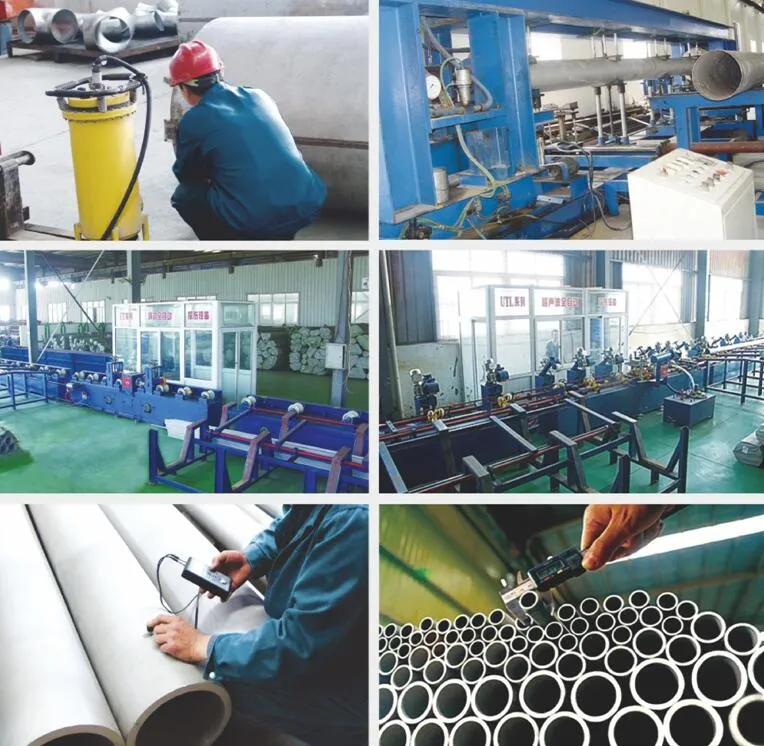
Womic Steel maintains a comprehensive quality assurance system covering all stages of stainless steel pipe manufacturing.
The company utilizes advanced inspection equipment and experienced quality control personnel to ensure that every pipe meets strict performance standards.
Testing procedures include chemical analysis, mechanical testing, non destructive inspection, and dimensional verification.
Through strict quality management practices, Womic Steel ensures reliable stainless steel pipe products for industrial projects worldwide.
Customized services. Rapid production. Global reach. We ensure your specific needs are fulfilled with precision and top-tier quality.
Website: www.womicstainless.com
Email:info@womicstainless.com
Tel/WhatsApp/WeChat:Victor: +86-15575100681 or Jack: +86-18390957568