Womic Stainless Steel Co., Ltd

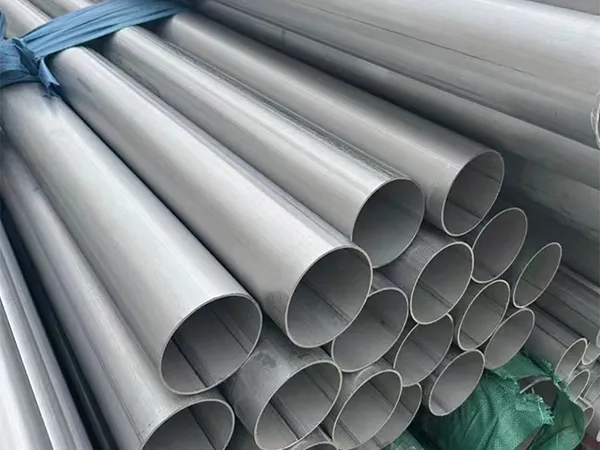
Stainless steel heat exchanger tubes are critical components used in heat transfer equipment across many industrial sectors. These tubes are designed to transfer heat efficiently between fluids while maintaining excellent resistance to corrosion, pressure, and temperature fluctuations. Because heat exchangers often operate in harsh environments involving high temperatures, corrosive chemicals, or seawater, stainless steel tubing has become one of the most reliable materials for these systems.
Heat exchanger tubes are widely used in industries such as petrochemical processing, power generation, marine engineering, oil and gas production, and HVAC systems. The combination of excellent thermal conductivity, corrosion resistance, and mechanical strength ensures long service life and reliable performance.
Typical advantages of stainless steel heat exchanger tubes include:
1 excellent corrosion resistance in aggressive
environments
2 high strength under elevated temperature conditions
3 smooth internal surface improving heat transfer efficiency
4 strong resistance to scaling and fouling
5 long service life with low maintenance requirements
As a professional stainless steel tube manufacturer, Womic Steel supplies high-quality heat exchanger tubes designed for demanding industrial applications worldwide.
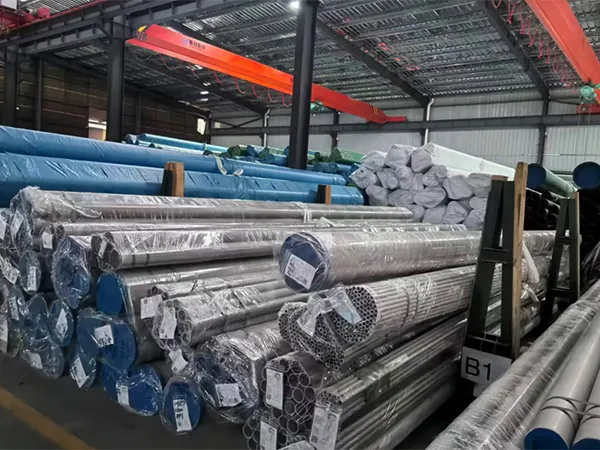
Heat exchanger tubes are manufactured according to international standards that define chemical composition limits, dimensional tolerances, and mechanical performance requirements.
Common manufacturing standards include:
1 ASTM A213
2 ASTM A269
3 ASTM A249
4 EN 10216-5
These standards ensure consistent quality and compatibility with international engineering requirements.
A variety of stainless steel grades can be used for heat exchanger tubing depending on the operating environment and design requirements.
Common material grades include:
Austenitic Stainless Steel
1 304 / 304L stainless steel
2 316 / 316L stainless steel
3 321 stainless steel
4 347H stainless steel
Duplex Stainless Steel
1 S31803 duplex stainless steel
2 S32205 duplex stainless steel
Nickel Alloy Tubes
1 Inconel 625
2 Incoloy 825
Each material offers different levels of corrosion resistance, temperature capability, and mechanical strength. Selecting the correct alloy is essential to ensure long-term reliability of heat exchanger systems.
The chemical composition of stainless steel heat exchanger tubes plays a critical role in determining their corrosion resistance and high-temperature performance.
Typical alloying elements include:
1 chromium improving corrosion resistance and oxidation
resistance
2 nickel enhancing ductility and corrosion resistance
3 molybdenum improving resistance to pitting corrosion
4 nitrogen strengthening duplex stainless steels
These alloying elements work together to form a protective passive film on the tube surface, which protects the material from corrosion in aggressive operating environments.
Heat exchanger tubes must maintain stable mechanical properties while operating under pressure and temperature fluctuations.
Typical mechanical properties include:
|
Property |
Typical Range |
|
Tensile Strength |
515 – 750 MPa |
|
Yield Strength |
205 – 450 MPa |
|
Elongation |
≥30% |
|
Hardness |
≤200 HBW |
Engineering advantages include:
1 strong resistance to internal pressure
2 stable mechanical properties at elevated temperatures
3 good ductility for fabrication and tube bending
4 resistance to thermal fatigue during repeated heating cycles
These properties ensure that stainless steel heat exchanger tubes can operate reliably in high-temperature industrial systems.
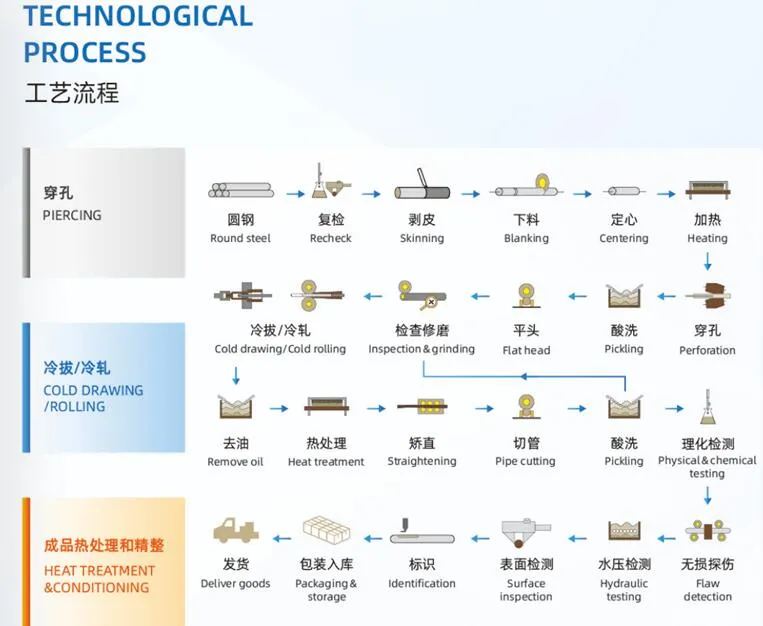
High-quality heat exchanger tubes require precise manufacturing processes to ensure dimensional accuracy, smooth surface finish, and consistent mechanical performance.
Typical manufacturing process includes:
1 stainless steel billet or strip inspection
2 hot rolling or cold rolling to produce tube shells
3 cold drawing to achieve precise tube dimensions
4 solution annealing heat treatment
5 pickling and surface finishing
6 straightening and cutting to length
7 final inspection and testing
Womic Steel utilizes advanced tube manufacturing technology and strict quality control to produce high-performance heat exchanger tubing.
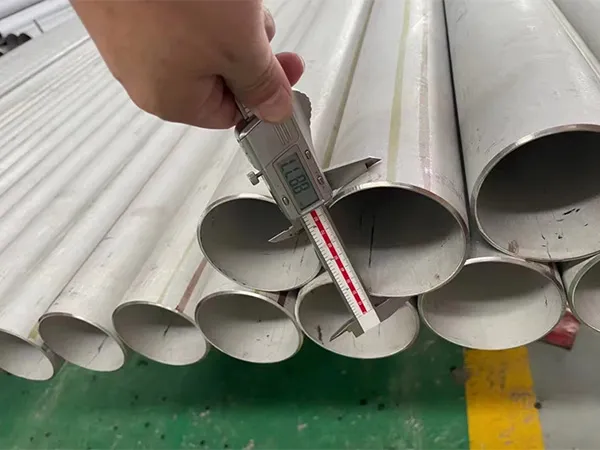
Heat exchanger tubes are typically manufactured in smaller diameters compared with pipeline pipes to maximize heat transfer efficiency.
Typical dimensional ranges include:
Outside Diameter
6 mm – 114 mm
Wall Thickness
0.5 mm – 8 mm
Length
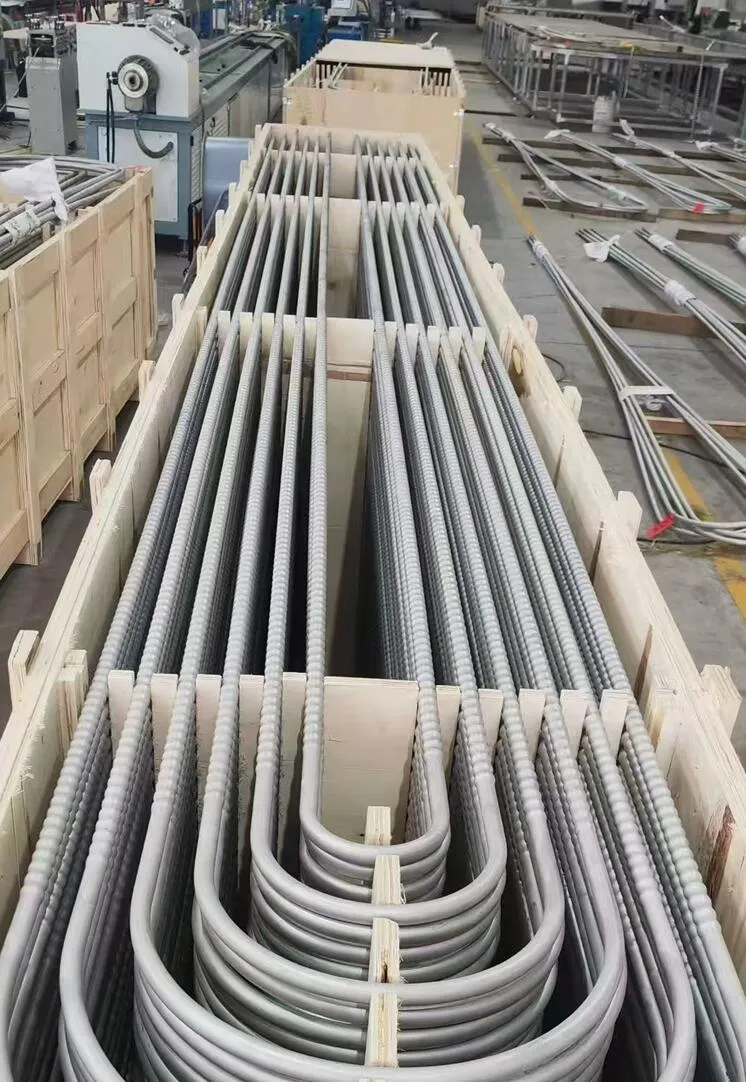
1 straight tube length up to 20 meters
2 U-bent tubes for heat exchanger bundles
3 customized lengths according to project requirements
Precise dimensional control is essential to ensure proper installation in heat exchanger tube sheets.
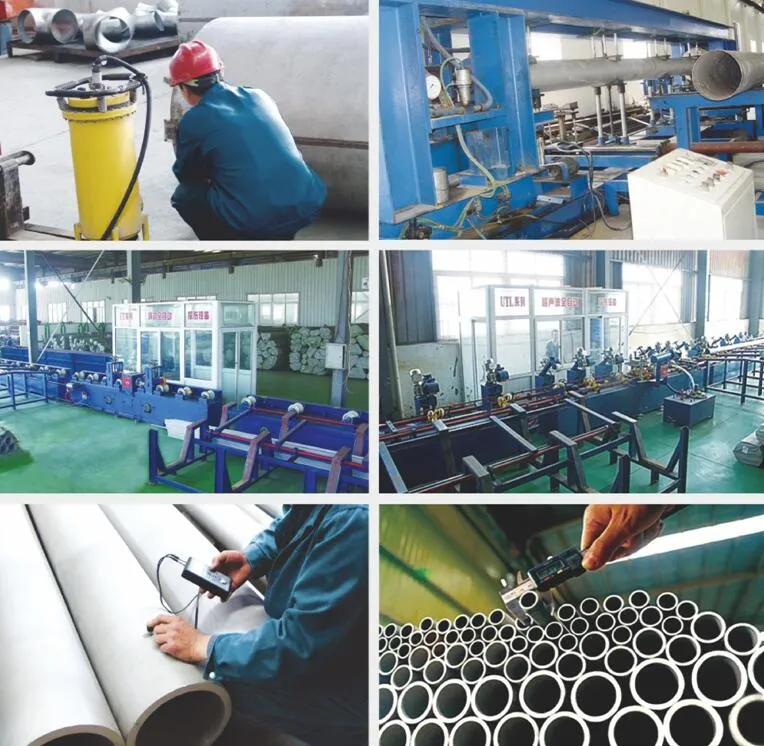
Heat exchanger tubes must undergo strict inspection procedures to ensure reliability in industrial heat transfer systems.
Common testing procedures include:
1 chemical composition analysis
2 tensile and mechanical property testing
3 hydrostatic pressure testing
4 eddy current testing
5 ultrasonic inspection
6 dimensional measurement
7 surface quality inspection
Third-party inspections from organizations such as SGS or TÜV can also be arranged when required for international projects.
Stainless steel heat exchanger tubes are widely used in industries where efficient heat transfer and corrosion resistance are essential.
Typical application sectors include:
1 petrochemical processing plants
2 power generation facilities
3 oil and gas refining systems
4 marine cooling systems
5 HVAC heat exchange equipment
6 desalination plants
7 chemical processing industries
These applications require materials capable of maintaining efficient heat transfer and long-term reliability.
s a professional manufacturer of stainless steel pipes and tubes, Womic Steel provides high-quality heat exchanger tubing for global industrial projects.
Key advantages include:
1 advanced stainless steel tube production lines
2 strict quality inspection procedures
3 wide range of stainless steel and alloy materials
4 flexible production for project specifications
5 reliable export packaging and logistics services
With extensive manufacturing experience and strong supply capability, Womic Steel continues to deliver high-performance stainless steel tubes for energy, marine, and industrial engineering projects worldwide.
Customized services. Rapid production. Global reach. We ensure your specific needs are fulfilled with precision and top-tier quality.
Website: www.womicstainless.com
Email:info@womicstainless.com
Tel/WhatsApp/WeChat:Victor: +86-15575100681 or Jack: +86-18390957568