Womic Stainless Steel Co., Ltd

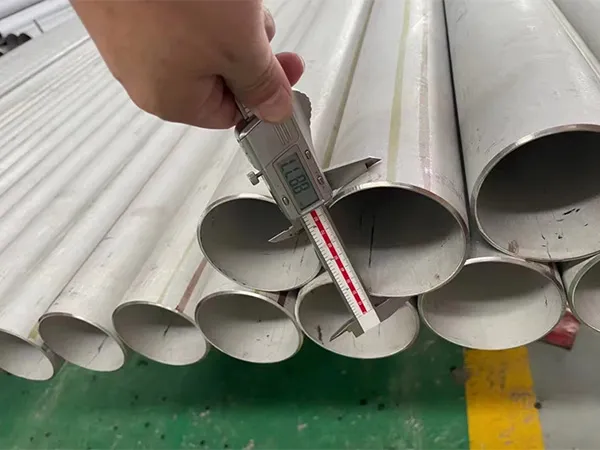
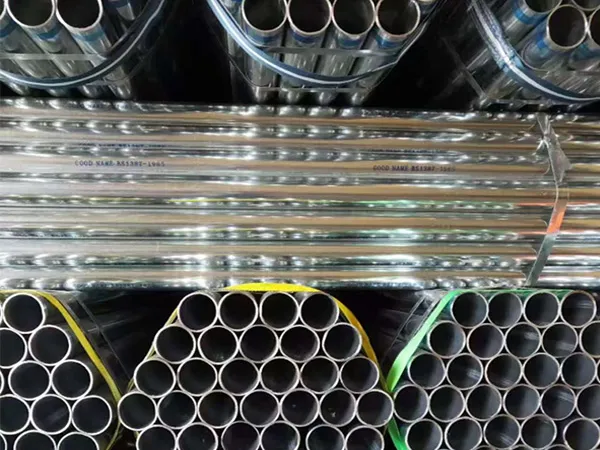
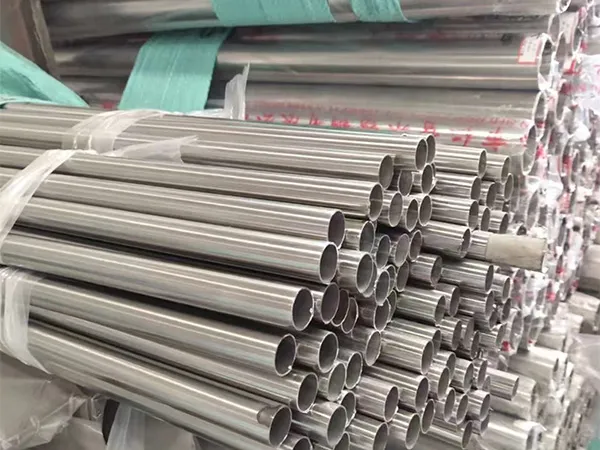
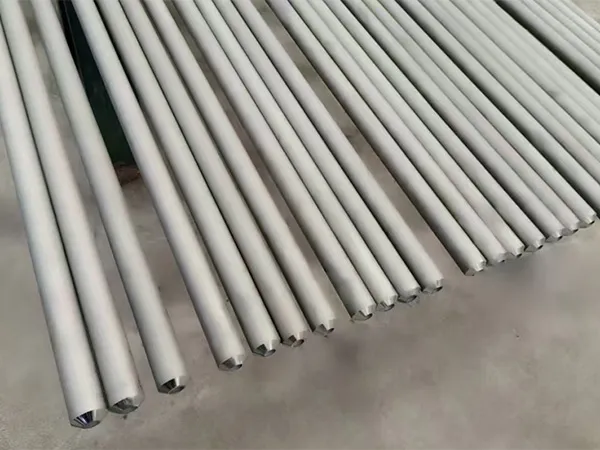
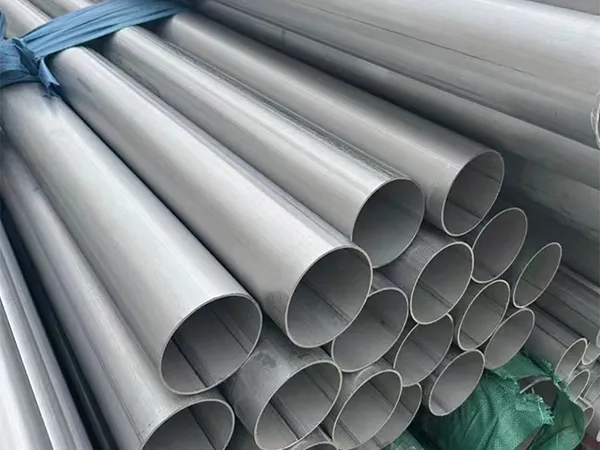
Stainless steel boiler tubes are specially engineered tubes designed for use in high-pressure and high-temperature boiler systems. These tubes play a crucial role in steam generation equipment where water is heated under pressure to produce steam for power generation, industrial processing, and heating systems. Because boiler environments involve extreme temperatures, pressure cycles, and potential corrosion from combustion gases or water chemistry, stainless steel materials are often selected to ensure durability and operational safety.
Compared with conventional carbon steel tubes, stainless steel boiler tubes provide superior oxidation resistance, excellent high-temperature strength, and improved corrosion resistance. These advantages make them widely used in modern power plants, petrochemical refineries, and industrial heating systems.
Key benefits of stainless steel boiler tubes include:
1 outstanding resistance to high-temperature oxidation
2 stable mechanical properties under pressure and heat
3 improved resistance to corrosion and scaling
4 extended operational service life
5 reliable performance in continuous high-load operation
As a leading stainless steel tube manufacturer, Womic Steel supplies high-performance boiler tubes designed to meet strict international industrial standards.
To ensure safety and reliability in high-pressure steam systems, stainless steel boiler tubes must comply with internationally recognized standards that define material properties, production methods, and testing requirements.
Common international standards include:
1 ASTM A213
2 ASTM A269
3 ASTM A249
4 EN 10216-5
These standards define strict requirements for chemical composition, mechanical performance, dimensional tolerance, and nondestructive testing.
Different stainless steel grades are selected depending on the operating temperature, steam pressure, and corrosion environment.
Typical materials include:
Austenitic Stainless Steel Grades
1 304 stainless steel boiler tube
2 304L stainless steel boiler tube
3 316 stainless steel boiler tube
4 316L stainless steel boiler tube
5 321 stainless steel boiler tube
6 347H stainless steel boiler tube
High Temperature Alloy Grades
1 Inconel 625 alloy tube
2 Incoloy 800H alloy tube
3 Incoloy 825 alloy tube
Each alloy provides specific advantages in high-temperature strength, creep resistance, and corrosion resistance.
The alloy composition of stainless steel boiler tubes determines their ability to withstand high temperatures and aggressive combustion environments.
Important alloying elements include:
1 chromium providing oxidation resistance at high
temperature
2 nickel improving ductility and corrosion resistance
3 molybdenum enhancing resistance to pitting corrosion
4 titanium or niobium stabilizing the structure against carbide precipitation
These elements ensure that stainless steel boiler tubes maintain structural integrity even after long-term exposure to elevated temperatures.
Boiler tubes must maintain high mechanical strength while exposed to internal steam pressure and thermal expansion.
Typical mechanical properties include:
|
Property |
Typical Value |
|
Tensile Strength |
515 – 760 MPa |
|
Yield Strength |
≥205 MPa |
|
Elongation |
≥30% |
|
Hardness |
≤200 HBW |
Engineering advantages include:
1 high resistance to creep deformation
2 stable performance during thermal expansion cycles
3 strong resistance to pressure stress
4 excellent ductility for fabrication and bending
These properties allow stainless steel boiler tubes to operate safely in power plant steam systems.
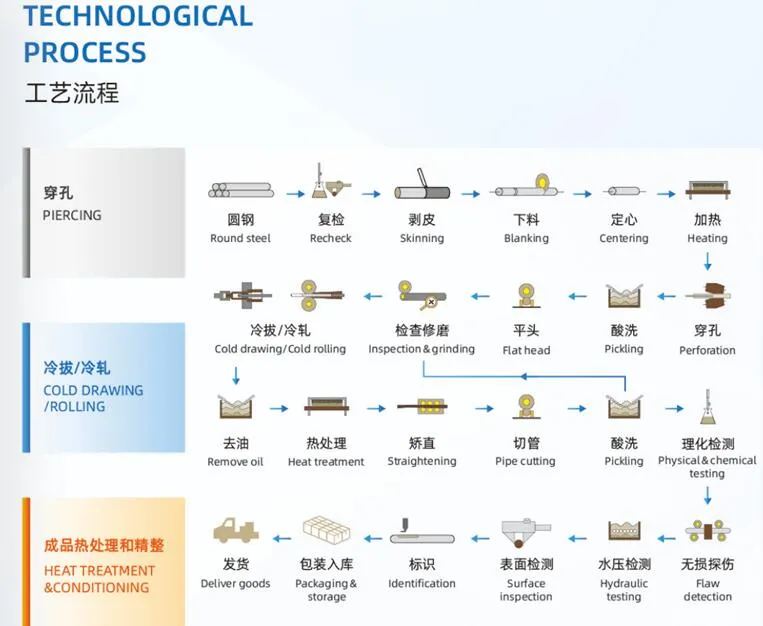
High-quality boiler tubes require precise manufacturing and heat treatment processes to achieve the required mechanical performance and dimensional accuracy.
Typical production process includes:
1 stainless steel billet inspection and preparation
2 hot piercing to produce hollow tube shells
3 cold drawing for dimensional precision
4 solution annealing heat treatment
5 pickling and surface finishing
6 straightening and cutting to specified length
7 final inspection and packaging
Womic Steel applies strict manufacturing procedures to ensure consistent quality and reliability for high-pressure boiler applications.
Boiler tubes are generally produced in smaller diameters to optimize heat transfer efficiency within boiler systems.
Typical dimensional ranges include:
Outside Diameter
12 mm – 114 mm
Wall Thickness
1 mm – 12 mm
Tube Length
1 standard straight length up to 18 meters
2 customized length according to project requirements
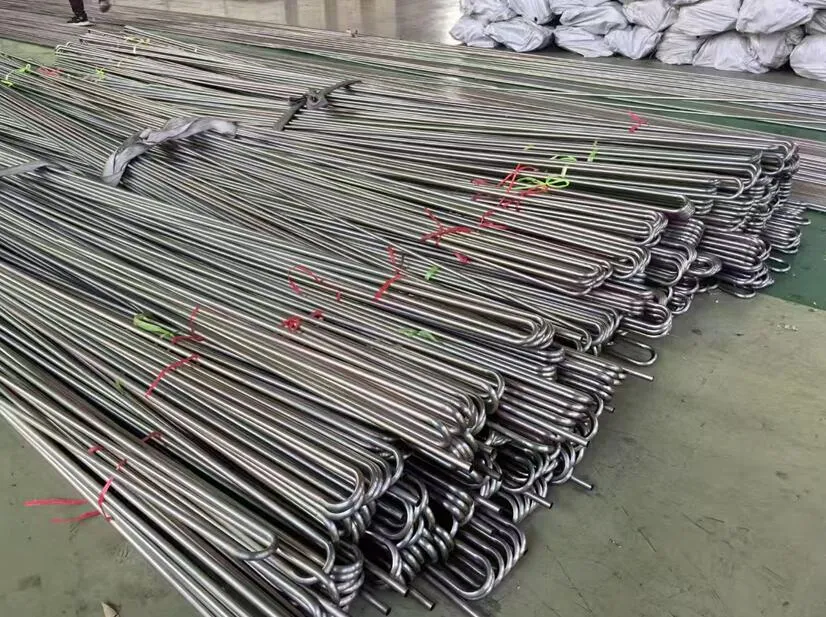
3 U-bend tube configuration for boiler heat exchange systems
Precise dimensional tolerances are critical for proper installation within boiler headers and heat exchange assemblies.
To ensure reliability in critical steam systems, stainless steel boiler tubes must undergo rigorous inspection and testing.
Typical testing methods include:
1 chemical composition verification
2 tensile and mechanical testing
3 hydrostatic pressure testing
4 ultrasonic testing
5 eddy current inspection
6 dimensional measurement
7 visual surface inspection
Third-party inspections from organizations such as SGS or TÜV can also be provided according to project requirements.
Stainless steel boiler tubes are widely used in industrial equipment requiring high-temperature steam generation.
Common application sectors include:
1 thermal power plants
2 industrial steam boilers
3 petrochemical refining systems
4 waste heat recovery boilers
5 marine boiler systems
6 chemical processing plants
In these applications, stainless steel tubes help improve thermal efficiency while maintaining long-term operational safety.
With extensive experience in stainless steel pipe manufacturing, Womic Steel provides high-quality boiler tubing solutions for global industrial projects.
Key advantages include:
1 advanced stainless steel tube manufacturing facilities
2 strict compliance with international standards
3 wide material selection for high-temperature service
4 flexible customization for project requirements
5 reliable export packaging and global logistics capability
Through continuous technological improvement and strict quality management, Womic Steel delivers reliable stainless steel boiler tubes used in demanding industrial environments worldwide.
Customized services. Rapid production. Global reach. We ensure your specific needs are fulfilled with precision and top-tier quality.
Website: www.womicstainless.com
Email:info@womicstainless.com
Tel/WhatsApp/WeChat:Victor: +86-15575100681 or Jack: +86-18390957568