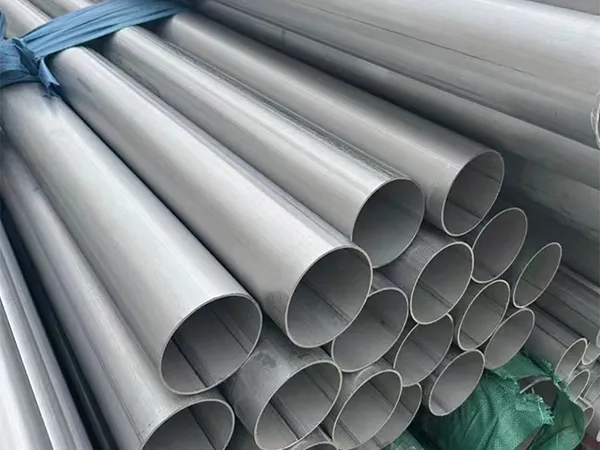
Womic Stainless Steel Co., Ltd

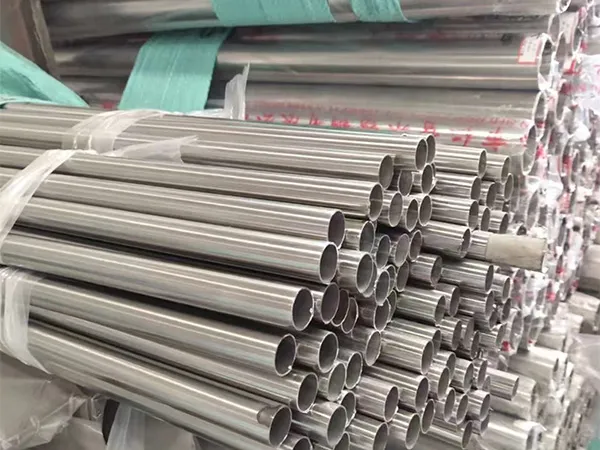
Stainless steel instrument tubing is a type of precision stainless steel tube specifically designed for instrumentation systems, hydraulic control systems, and pneumatic equipment. These tubes are used to transmit pressure signals, fluids, or gases between instruments, control valves, and process equipment. Because instrumentation systems require extremely high reliability and leak-free performance, instrument tubing must meet strict standards for dimensional accuracy, surface quality, and cleanliness.
Compared with conventional industrial tubing, instrument tubes require tighter tolerances, smoother internal surfaces, and superior corrosion resistance. These characteristics ensure accurate signal transmission and stable operation in complex industrial environments such as oil refineries, chemical plants, offshore platforms, and power generation facilities.
Key advantages of stainless steel instrument tubing include:
1 high dimensional precision and tight tolerances
2 excellent corrosion resistance in harsh environments
3 smooth internal surface for reliable fluid flow
4 strong resistance to vibration and pressure fluctuations
5 long service life with minimal maintenance
As a professional stainless steel tube manufacturer, Womic Steel produces high-precision instrument tubing designed to meet demanding industrial control system requirements.
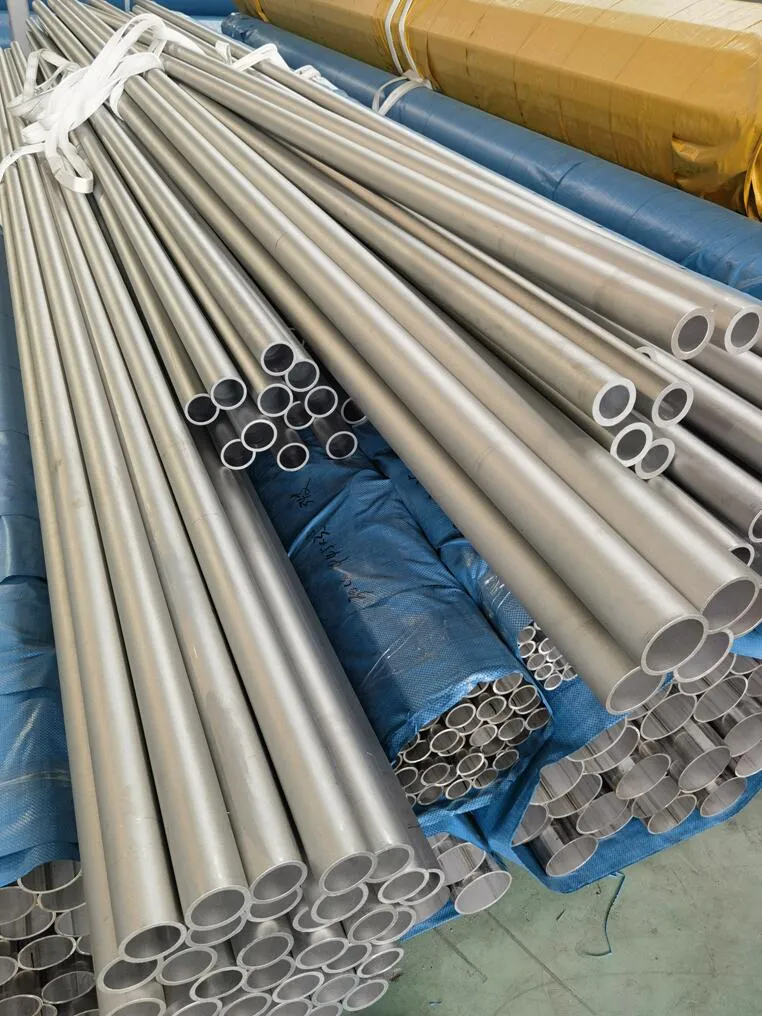
Instrumentation tubing must comply with international standards that ensure consistent quality, dimensional accuracy, and mechanical performance.
Common standards include:
1 ASTM A269
2 ASTM A213
3 ASTM A632
4 EN 10216-5
These standards define requirements for chemical composition, dimensional tolerance, heat treatment, and nondestructive testing.
Material selection is critical because instrumentation systems often operate in corrosive or high-pressure environments.
Typical materials include:
Austenitic Stainless Steel
1 304 stainless steel instrument tube
2 304L stainless steel instrument tube
3 316 stainless steel instrument tube
4 316L stainless steel instrument tube
Duplex Stainless Steel
1 S31803 duplex stainless steel tubing
2 S32205 duplex stainless steel tubing
Nickel Alloy Tubing
1 Inconel 625 precision tubing
2 Incoloy 825 instrumentation tubing
Among these materials, 316L stainless steel is one of the most commonly used grades due to its excellent resistance to corrosion and chloride environments.
The corrosion resistance of instrument tubing depends largely on the chemical composition of the stainless steel alloy.
Key alloying elements include:
1 chromium forming a protective oxide layer against
corrosion
2 nickel improving ductility and corrosion resistance
3 molybdenum enhancing resistance to pitting and crevice corrosion
4 nitrogen strengthening duplex stainless steels
These elements help stainless steel instrument tubing maintain excellent corrosion resistance even in aggressive industrial environments.
Unlike standard industrial pipes, instrument tubes must be manufactured with high precision and strict dimensional control. The manufacturing process requires advanced cold drawing and finishing technology.
Typical production steps include:
1 stainless steel billet inspection
2 hot extrusion or piercing to produce tube shells
3 multi-pass cold drawing for precise dimensions
4 solution annealing heat treatment
5 pickling and surface cleaning
6 straightening and polishing
7 final dimensional inspection
Through advanced manufacturing technology, Womic Steel ensures high precision and consistent quality in stainless steel instrument tubing production.
Instrumentation systems often require extremely clean tubing to prevent contamination or blockage of small flow passages.
Typical surface requirements include:
1 smooth internal surface to reduce friction and flow
resistance
2 low surface roughness for accurate fluid control
3 clean internal tube surfaces free from oil or debris
4 optional electropolishing for ultra-clean applications
These requirements are especially important for industries such as pharmaceuticals, semiconductor manufacturing, and high-purity chemical processing.
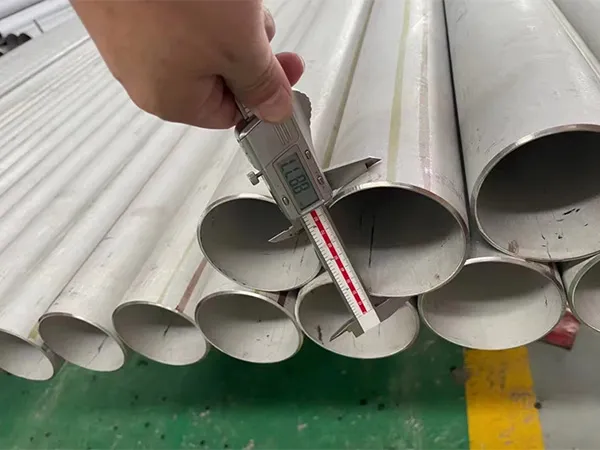
Instrument tubing is typically produced in small diameters to accommodate precise control systems.
Typical dimensional ranges include:
Outside Diameter
6 mm – 25 mm
1/8 inch – 1 inch
Wall Thickness
0.5 mm – 3 mm
Tube Length
1 standard straight length up to 6 meters
2 coil tubing for flexible installation
3 customized lengths according to system design
High dimensional accuracy ensures compatibility with compression fittings and instrumentation connectors.
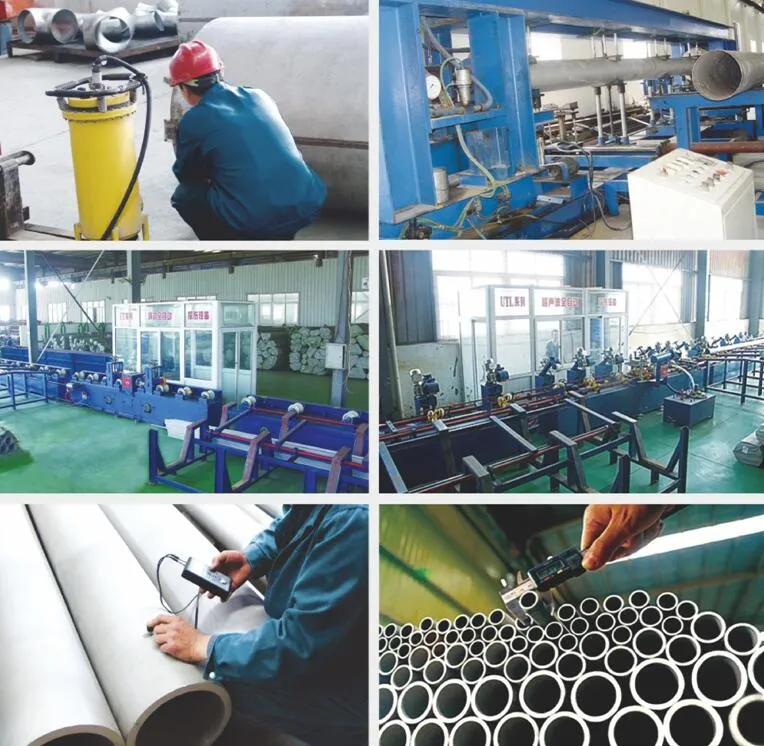
Instrument tubing used in industrial control systems must undergo strict quality control to ensure safety and reliability.
Typical testing methods include:
1 chemical composition analysis
2 tensile strength testing
3 hydrostatic pressure testing
4 eddy current testing
5 ultrasonic inspection
6 dimensional measurement
7 visual surface inspection
Third-party inspection services from organizations such as SGS or TÜV can also be arranged when required by international engineering projects.
Stainless steel instrument tubing is widely used in industrial instrumentation and control systems where precision fluid or gas transmission is required.
Typical applications include:
1 oil and gas instrumentation systems
2 chemical processing plants
3 hydraulic and pneumatic control systems
4 offshore drilling platforms
5 power generation control systems
6 semiconductor manufacturing equipment
7 laboratory and analytical instrumentation
These applications require tubing that provides both mechanical strength and precise flow control.
As an experienced manufacturer of stainless steel pipes and precision tubing, Womic Steel provides high-quality instrument tubing for global industrial customers.
Key manufacturing advantages include:
1 advanced precision tube production lines
2 strict quality inspection procedures
3 wide material selection for different applications
4 flexible customization for instrumentation systems
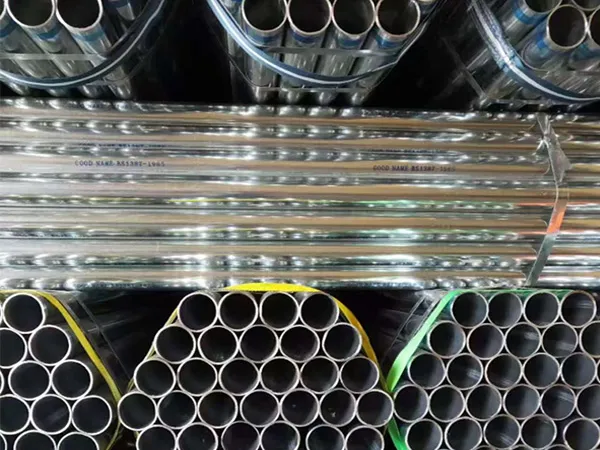
5 reliable export packaging and international logistics services
With strong manufacturing capability and strict quality management, Womic Steel continues to deliver reliable stainless steel instrument tubing solutions for industrial control systems worldwide.
Customized services. Rapid production. Global reach. We ensure your specific needs are fulfilled with precision and top-tier quality.
Website: www.womicstainless.com
Email:info@womicstainless.com
Tel/WhatsApp/WeChat:Victor: +86-15575100681 or Jack: +86-18390957568