Womic Stainless Steel Co., Ltd

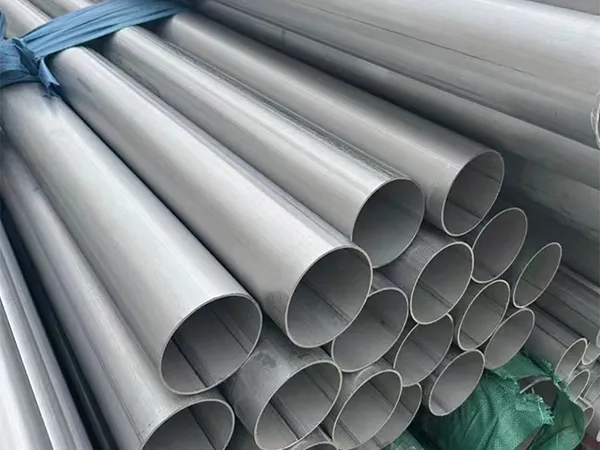
Heat exchangers are critical components in many industrial systems where thermal energy must be efficiently transferred between fluids without direct mixing. These systems are widely used in power plants, petrochemical facilities, oil refineries, food processing plants, and HVAC equipment. The efficiency, reliability, and lifespan of a heat exchanger depend heavily on the material used for its tubing.
Among all available materials, stainless steel pipes are widely preferred for heat exchanger applications due to their excellent corrosion resistance, thermal stability, mechanical strength, and long service life. Stainless steel heat exchanger tubes can operate reliably in environments involving high temperatures, corrosive fluids, and pressure fluctuations.
Heat exchanger tubing is commonly manufactured in accordance with internationally recognized standards such as ASTM A213, ASTM A269, and ASTM A249. These standards define requirements for seamless and welded stainless steel tubes used in boilers, condensers, and heat transfer equipment.
The most widely used stainless steel grades for heat exchanger tubing include304L, 316L, 321, and 347, each offering different advantages depending on the operating temperature and corrosion conditions.
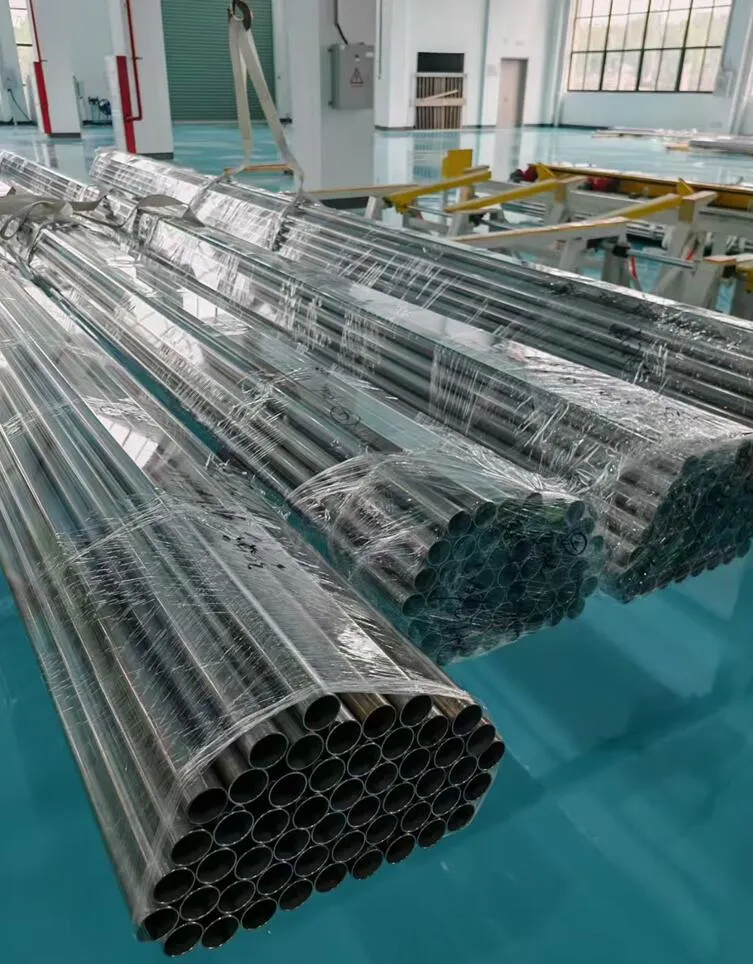
Stainless steel heat exchanger pipes are widely used across many industries where thermal energy transfer is essential.
Common applications include:
1. Petrochemical heat recovery systems
2. Oil refinery process heaters
3. Power plant steam condensers
4. Boiler economizers and superheaters
5. Chemical reactor cooling systems
6. Food and beverage thermal processing equipment
7. Pharmaceutical heat transfer systems
8. HVAC evaporators and condensers
In these applications, the tubing must maintain structural integrity while resisting corrosion from cooling water, process fluids, and high-temperature steam.
Because of these demanding conditions, stainless steel heat exchanger tubes must be carefully selected based on corrosion resistance, temperature stability, and mechanical performance.
Different stainless steel grades are selected depending on operating temperature, corrosion exposure, and mechanical requirements.
The most common grades include:
|
Grade |
Standard |
Stainless Type |
Key Characteristics |
Typical Application |
|
304L |
ASTM A213 / A269 |
Austenitic |
Good corrosion resistance |
General heat exchangers |
|
316L |
ASTM A213 / A269 |
Mo-alloyed Austenitic |
Superior corrosion resistance |
Chemical heat exchangers |
|
321 |
ASTM A213 |
Titanium Stabilized |
Excellent high-temperature stability |
High temperature exchangers |
|
347 |
ASTM A213 |
Niobium Stabilized |
Resistance to intergranular corrosion |
Power plant boilers |
|
904L |
ASTM B677 |
High Alloy Austenitic |
Excellent acid resistance |
Severe chemical environments |
Among these materials,316L stainless steelis the most widely used for industrial heat exchangers due to its superior resistance to pitting corrosion and chloride environments.
The chemical composition of stainless steel directly influences its corrosion resistance and thermal stability in heat exchanger environments.
|
Grade |
Cr (%) |
Ni (%) |
Mo (%) |
Ti/Nb Stabilizer |
C (%) |
|
304L |
18–20 |
8–12 |
— |
— |
≤0.03 |
|
316L |
16–18 |
10–14 |
2–3 |
— |
≤0.03 |
|
321 |
17–19 |
9–12 |
— |
Ti ≥5×C |
≤0.08 |
|
347 |
17–19 |
9–13 |
— |
Nb ≥10×C |
≤0.08 |
|
904L |
19–23 |
23–28 |
4–5 |
— |
≤0.02 |
Key alloying elements provide the following benefits:
Chromium forms a passive oxide layer that protects stainless steel from corrosion.
Nickel stabilizes the austenitic structure and improves corrosion resistance.
Molybdenum enhances resistance to pitting corrosion and chloride attack.
Titanium and niobium stabilize the material against intergranular corrosion at elevated temperatures.
These alloying elements are essential for maintaining the durability of heat exchanger tubing during long-term service.
Heat exchanger tubes must withstand internal pressure, thermal expansion, and mechanical vibration during operation.
Typical mechanical properties of common stainless steel grades include:
|
Grade |
Yield Strength (MPa) |
Tensile Strength (MPa) |
Elongation (%) |
|
304L |
≥170 |
≥485 |
≥35 |
|
316L |
≥170 |
≥485 |
≥35 |
|
321 |
≥205 |
≥515 |
≥35 |
|
347 |
≥205 |
≥515 |
≥35 |
|
904L |
≥220 |
≥490 |
≥35 |
These mechanical properties ensure that the tubes can handle high-pressure heat transfer fluids while maintaining structural stability under cyclic temperature conditions.
Heat exchanger systems often operate under high-temperature conditions, especially in power plants and refinery processes.
Different stainless steel grades provide varying levels of high-temperature resistance.
|
Grade |
Maximum Continuous Service Temperature |
|
304L |
~870°C |
|
316L |
~870°C |
|
321 |
~900°C |
|
347 |
~900°C |
|
904L |
~600°C |
Stabilized stainless steels such as321 and 347are particularly suitable for high-temperature heat exchanger applications because they resist sensitization and intergranular corrosion during prolonged exposure to elevated temperatures.
These materials are frequently used in boiler tubing, superheaters, and power generation heat exchangers.
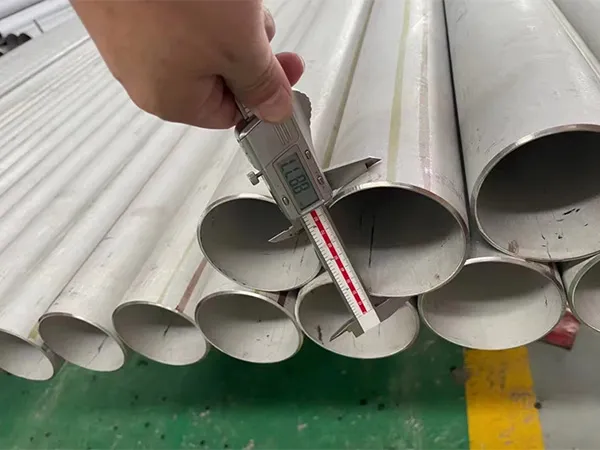
Heat exchanger tubing must meet strict dimensional tolerances and surface finish requirements to ensure optimal heat transfer efficiency.
Important manufacturing parameters include:
l Precise outer diameter and wall thickness control
l Smooth internal surface to reduce fouling and scaling
l Uniform wall thickness for consistent heat transfer
l High dimensional accuracy for tube sheet installation
Cold drawn seamless tubes typically offer superior dimensional precision and surface quality compared to hot finished pipes.
Because of this,cold drawn stainless steel tubesare widely used in shell-and-tube heat exchanger systems.
The production of heat exchanger tubing involves several advanced manufacturing processes to achieve the required dimensional accuracy and mechanical properties.
Typical production steps include:
1. Stainless steel billet preparation
2. Hot piercing to produce hollow shells
3. Cold drawing or cold rolling to achieve precise dimensions
4. Solution annealing heat treatment
5. Straightening and sizing
6. Non-destructive testing
7. Hydrostatic pressure testing
8. Final inspection and packaging
Strict manufacturing control ensures that the tubes meet the requirements of standards such as ASTM A213 and ASTM A269.
Heat exchanger tubes must undergo comprehensive testing to guarantee long-term performance.
Typical inspection procedures include:
Chemical composition verification.
Mechanical property testing.
Hydrostatic pressure testing.
Eddy current testing.
Ultrasonic testing.
Surface inspection.
Dimensional measurement.
These inspection procedures ensure that every stainless steel tube meets international quality standards and performs reliably in heat exchanger systems.
Womic Steel is a professional manufacturer of high-performance stainless steel pipes and tubes designed for demanding heat transfer applications.
The company produces stainless steel heat exchanger tubes in compliance with international standards such as ASTM A213, ASTM A269, and ASTM A249.
Available materials include:
304L stainless steel heat exchanger tubes
316L stainless steel heat exchanger tubes
321 stainless steel high-temperature tubes
347 stabilized stainless steel tubes
904L high corrosion resistance tubes
Womic Steel utilizes advanced cold drawing production lines, precision heat treatment furnaces, and modern inspection laboratories to ensure consistent product quality.
Each tube undergoes strict testing procedures including dimensional inspection, chemical analysis, mechanical testing, and non-destructive testing to ensure compliance with international specifications.
With strong manufacturing capacity and extensive export experience, Womic Steel provides reliable stainless steel heat exchanger tubing solutions for power plants, petrochemical facilities, chemical processing systems, and industrial heat transfer equipment worldwide.
Customized services. Rapid production. Global reach. We ensure your specific needs are fulfilled with precision and top-tier quality.
Website: www.womicstainless.com
Email: info@womicstainless.com
Tel/WhatsApp/WeChat: Victor: +86-15575100681 or Jack: +86-18390957568