Womic Stainless Steel Co., Ltd

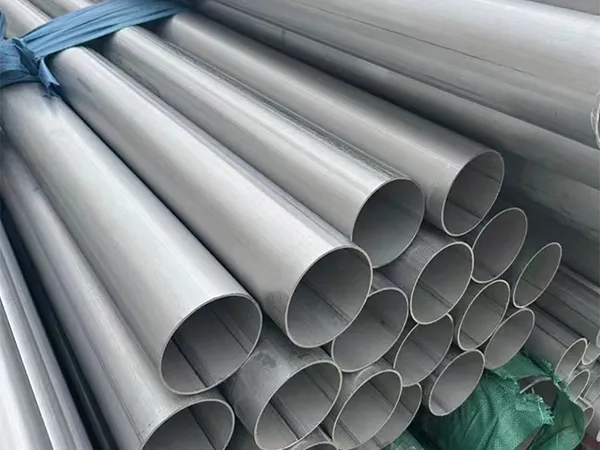
Incoloy 825 pipe is a corrosion-resistant nickel–iron–chromium alloy pipe designed for highly aggressive chemical environments. The alloy contains significant additions of molybdenum, copper, and titanium, which provide exceptional resistance to both oxidizing and reducing acids.
Compared with conventional stainless steels, Incoloy 825 offers superior resistance to sulfuric acid, phosphoric acid, and chloride-containing environments. These characteristics make the material particularly suitable for chemical processing equipment, pollution control systems, oil and gas production facilities, and marine engineering applications.
Because of its excellent corrosion resistance and structural stability, Incoloy 825 pipes are widely used in industries that require reliable performance in acidic and corrosive media.
Important characteristics of Incoloy 825 pipe include:
1 excellent resistance to sulfuric and phosphoric acid
corrosion
2 strong resistance to chloride stress corrosion cracking
3 good resistance to pitting and crevice corrosion
4 stable mechanical properties across a wide temperature range
5 reliable performance in chemical processing environments
As an experienced alloy pipe manufacturer, Womic Steel supplies high-quality nickel alloy pipes for global chemical, marine, and energy industry projects.
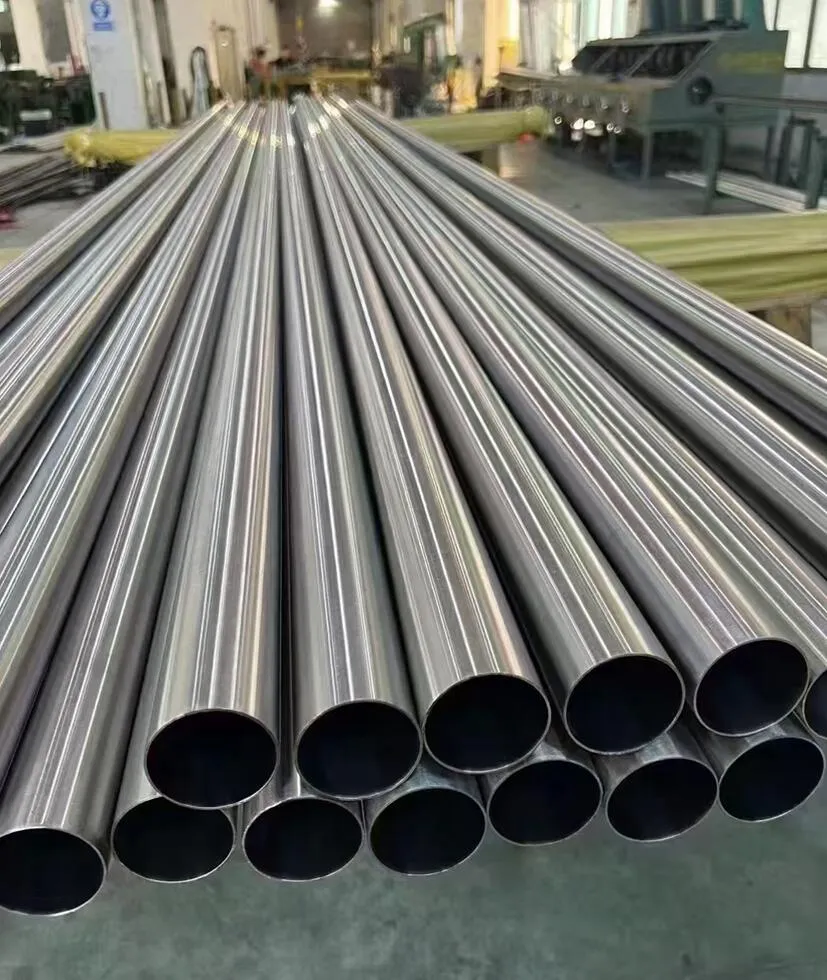
Incoloy 825 pipes are produced according to internationally recognized standards that regulate chemical composition, mechanical properties, dimensional tolerances, and inspection procedures.
Common production standards include:
1 ASTM B423
2 ASTM B704
3 ASTM B705
4 ASME SB423
Material designations include:
|
Standard |
Grade |
|
UNS |
N08825 |
|
ASTM |
Incoloy 825 |
|
EN |
2.4858 |
These international standards ensure that Incoloy 825 pipes meet the strict technical requirements of chemical processing and energy industry applications.
The excellent corrosion resistance of Incoloy 825 is achieved through its nickel–iron–chromium base combined with molybdenum and copper additions.
Typical chemical composition:
|
Element |
Content (%) |
|
Nickel |
38 – 46 |
|
Iron |
≥22 |
|
Chromium |
19.5 – 23.5 |
|
Molybdenum |
2.5 – 3.5 |
|
Copper |
1.5 – 3.0 |
|
Titanium |
0.6 – 1.2 |
|
Carbon |
≤0.05 |
Functions of the alloying elements include:
1 nickel improves resistance to chloride stress corrosion
cracking
2 chromium enhances oxidation resistance
3 molybdenum increases resistance to pitting corrosion
4 copper improves resistance to sulfuric acid
5 titanium stabilizes the alloy structure
This alloy composition provides excellent performance in both oxidizing and reducing chemical environments.
Incoloy 825 nickel alloy pipe provides stable mechanical performance under both high and low temperature conditions.
Typical mechanical properties include:
|
Property |
Value |
|
Tensile Strength |
≥585 MPa |
|
Yield Strength |
≥240 MPa |
|
Elongation |
≥30% |
|
Hardness |
≤200 HBW |
Engineering advantages include:
1 good ductility and formability
2 strong resistance to thermal fatigue
3 reliable mechanical performance under pressure
4 stable performance across wide temperature ranges
These characteristics make Incoloy 825 suitable for pressure piping systems in chemical processing plants.
One of the most important advantages of Incoloy 825 pipe is its excellent resistance to acidic corrosion environments.
Important corrosion resistance features include:
1 excellent resistance to sulfuric acid corrosion
2 strong resistance to phosphoric acid environments
3 good resistance to nitric acid corrosion
4 resistance to chloride pitting corrosion
5 strong resistance to stress corrosion cracking
Because of these properties, Incoloy 825 pipes are widely used in chemical industries where conventional stainless steels cannot provide adequate corrosion resistance.
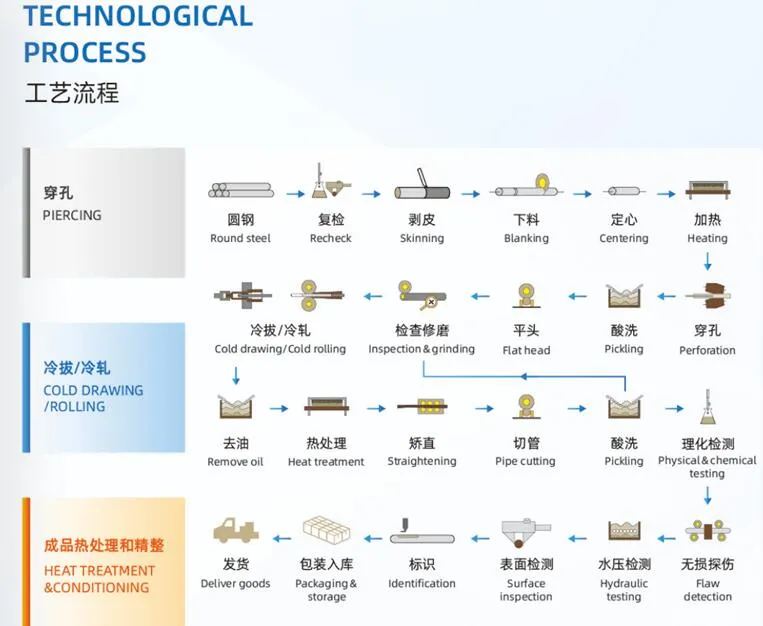
The production of nickel alloy pipes requires precise metallurgical control to ensure consistent material performance.
Typical seamless pipe manufacturing process includes:
1 alloy billet inspection and chemical verification
2 vacuum melting and alloy refining
3 high temperature billet heating
4 rotary piercing to form hollow tubes
5 hot rolling or extrusion forming
6 cold drawing for dimensional accuracy
7 solution annealing heat treatment
8 pickling and surface cleaning
9 final inspection and testing
Womic Steel applies strict production control and advanced manufacturing technology to ensure the high quality of alloy pipe products.
Incoloy 825 pipes are available in a wide range of dimensions to meet different industrial requirements.
Typical production ranges include:
Seamless Pipe
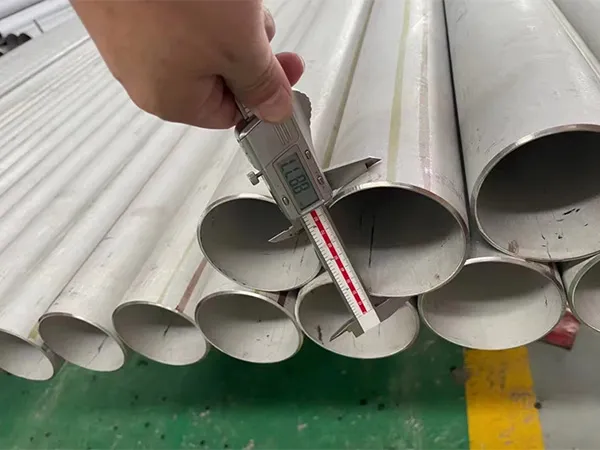
OD: 6 mm – 610 mm
Welded Pipe
OD: 15 mm – 2000 mm
Common pipe schedules include:
1 SCH 10
2 SCH 40
3 SCH 80
4 SCH 160
Available length options include random length, double random length, and customized project lengths.
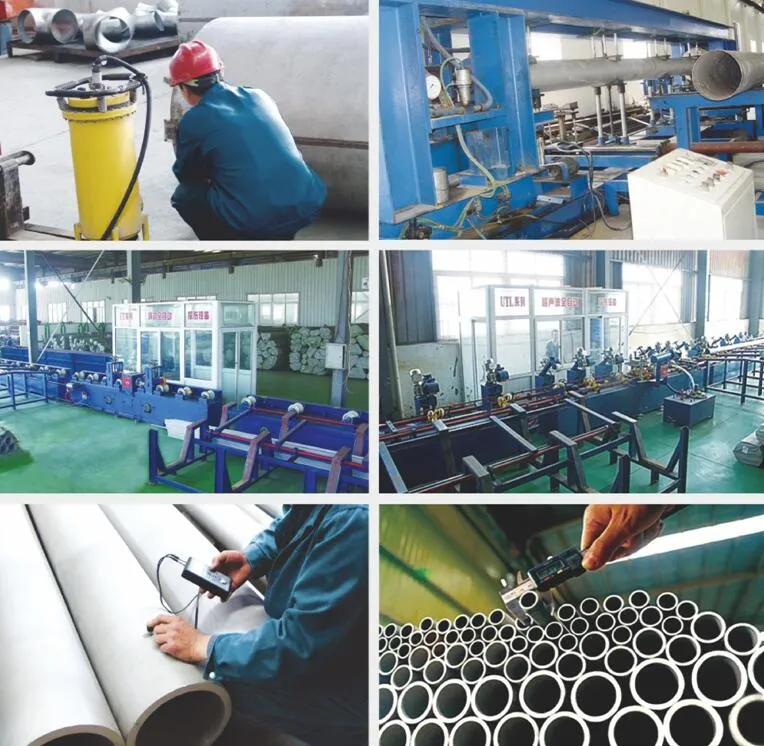
Strict inspection procedures are implemented to ensure the reliability of nickel alloy pipes used in critical industrial applications.
Typical inspection procedures include:
1 chemical composition testing
2 tensile and mechanical property testing
3 hydrostatic pressure testing
4 ultrasonic flaw detection
5 eddy current inspection
6 PMI positive material identification
7 dimensional inspection
Third-party inspection services from organizations such as SGS and TÜV can also be arranged for international project supply.
Because of its outstanding corrosion resistance in acidic environments, Incoloy 825 pipes are widely used in many industrial sectors.
Typical applications include:
1 chemical processing plants
2 sulfuric acid production systems
3 phosphoric acid processing equipment
4 oil and gas production facilities
5 marine engineering structures
6 pollution control systems
7 heat exchanger equipment
These demanding industrial environments require materials capable of maintaining long-term corrosion resistance and structural reliability.