Womic Stainless Steel Co., Ltd

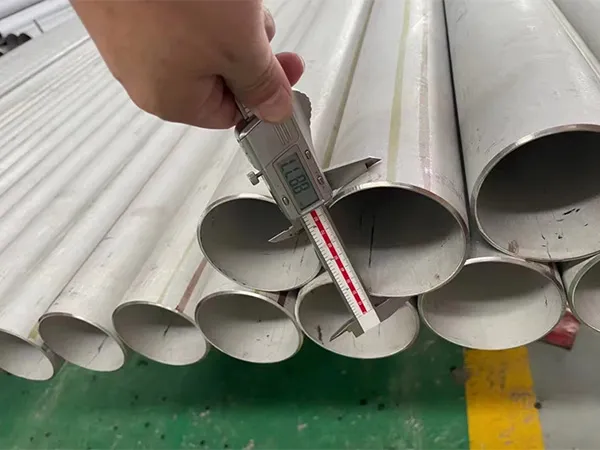
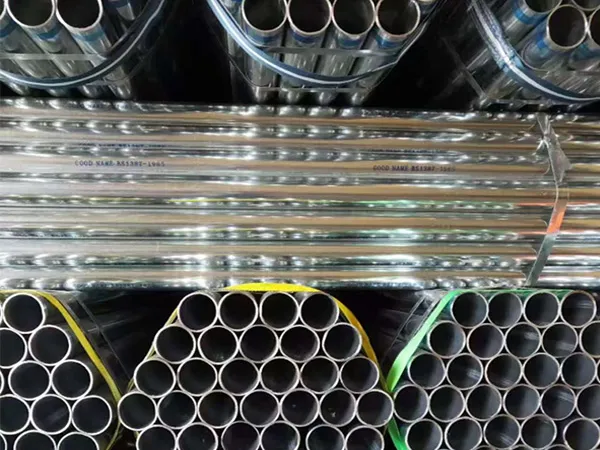
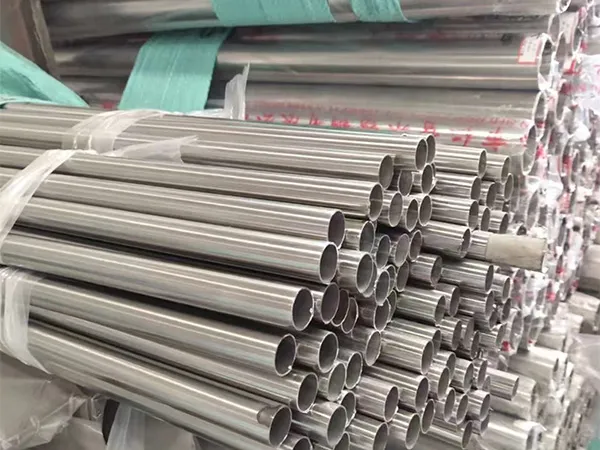
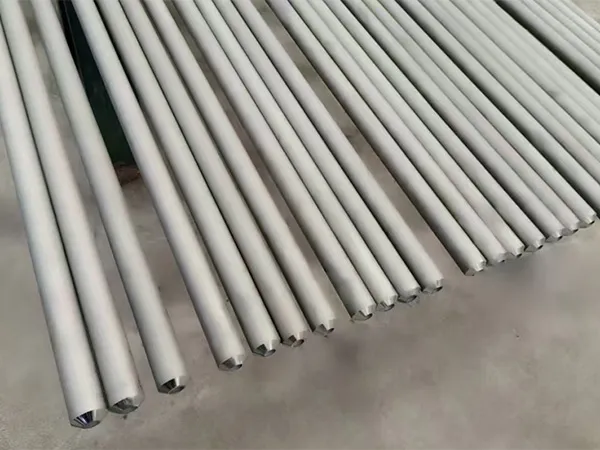
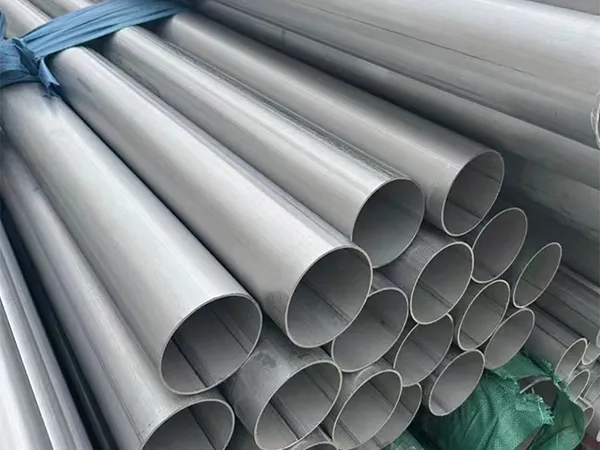
ASTM A778 welded stainless steel pipe is a widely recognized specification covering straight seam welded austenitic stainless steel pipes intended for low and moderate pressure service. The standard is established by ASTM International and is commonly used in industrial piping systems where corrosion resistance, durability, and cost efficiency are important considerations.
Unlike heavy wall pressure piping specifications, ASTM A778 focuses on welded stainless steel pipes designed primarily for structural service, low-pressure fluid transport, and general industrial applications. Because these pipes are manufactured using stainless steel strip or plate and welded through automated processes, they offer excellent dimensional consistency and economic advantages compared with seamless pipes.
ASTM A778 stainless steel pipes are commonly produced in popular grades such as TP304, TP304L, TP316, and TP316L. These materials provide strong resistance to oxidation, moisture, and chemical corrosion, making them suitable for a wide range of environments including chemical plants, water treatment facilities, food processing lines, and industrial infrastructure systems.
Due to its combination of corrosion resistance, affordability, and versatility, ASTM A778 welded stainless steel pipe has become a common solution for industrial piping networks across many sectors.
The ASTM A778 specification covers straight seam welded stainless steel pipes produced from sheet, strip, or plate materials. These pipes are designed primarily for structural applications and for conveying fluids where extremely high pressure resistance is not required.
The standard includes requirements for manufacturing methods, chemical composition, mechanical properties, dimensional tolerances, and inspection procedures. Pipes produced under ASTM A778 must meet strict quality requirements to ensure reliability in industrial environments.
Unlike some other stainless steel pipe standards, ASTM A778 does not require post-weld heat treatment unless specifically requested by the purchaser. This makes the manufacturing process more efficient and helps reduce production costs while still maintaining excellent corrosion resistance.
The specification allows stainless steel pipes to be produced in a wide range of diameters and wall thicknesses, making them adaptable to various industrial piping designs.
Several austenitic stainless steel grades are commonly used in ASTM A778 welded pipe production. These materials are selected based on the corrosion resistance, mechanical strength, and service environment required for the application.
Grade TP304 is one of the most widely used stainless steel grades. It provides good corrosion resistance, excellent formability, and strong mechanical properties. TP304 welded stainless steel pipes are commonly used in water systems, structural applications, and food processing equipment.
Grade TP304L is a low-carbon version of TP304. The reduced carbon content minimizes the risk of carbide precipitation during welding, improving corrosion resistance in welded structures.
Grade TP316 stainless steel pipe contains molybdenum, which significantly enhances resistance to pitting corrosion and chloride environments. This makes TP316 welded pipes suitable for chemical processing plants and marine environments.
Grade TP316L provides the same molybdenum-enhanced corrosion resistance while offering improved weldability due to its low carbon content.
These stainless steel materials ensure that ASTM A778 pipes can perform reliably in many industrial conditions.
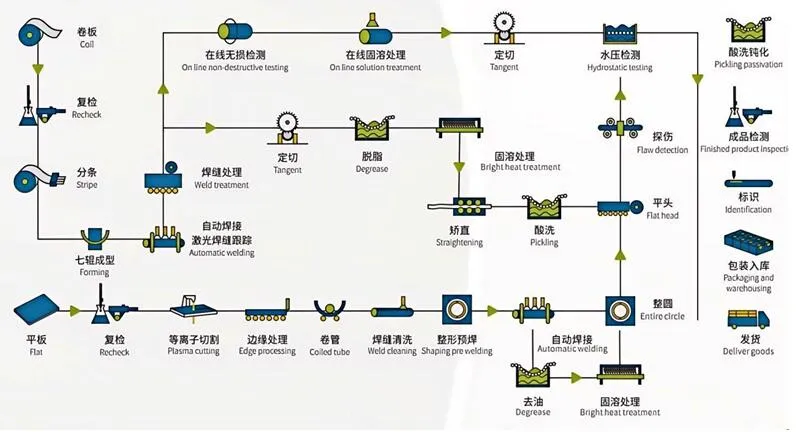
The production of ASTM A778 welded stainless steel pipes involves several precision manufacturing steps to ensure dimensional accuracy and consistent quality.
The process begins with stainless steel coils or plates that meet the required chemical composition specified in the ASTM standard. These materials are carefully inspected before entering the forming process.
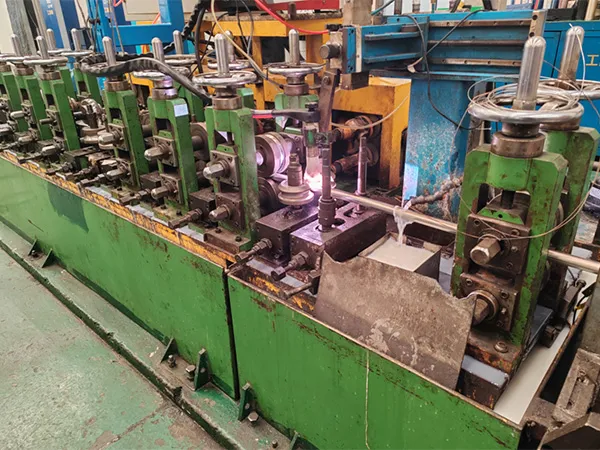
The stainless steel strip is then formed into a cylindrical shape using roll forming equipment. Once the edges meet, the seam is welded using automated welding processes such as TIG welding or laser welding.
Modern welding technologies ensure a strong and reliable weld seam with minimal distortion. After welding, the pipe may undergo surface treatment processes such as pickling and passivation to remove oxide layers and enhance corrosion resistance.
Finally, pipes are cut to the required lengths and subjected to dimensional inspection to ensure they meet specified tolerances.
This efficient manufacturing process allows the production of high-quality welded stainless steel pipes suitable for a variety of industrial applications.
ASTM A778 stainless steel pipes provide reliable mechanical performance suitable for structural and industrial service.
Austenitic stainless steels used in this specification offer excellent ductility and toughness. These properties allow the pipes to absorb mechanical stress without cracking or failure.
Stainless steel pipes produced according to ASTM A778 also exhibit good tensile strength and elongation, ensuring that they can withstand vibration, thermal expansion, and mechanical loads encountered in industrial installations.
Additionally, stainless steel maintains its mechanical properties across a wide temperature range. This allows ASTM A778 pipes to perform reliably in both moderate temperature processing environments and outdoor infrastructure systems.
These mechanical characteristics make welded stainless steel pipes an excellent choice for industrial piping networks and structural applications.
One of the most important benefits of ASTM A778 stainless steel pipes is their excellent resistance to corrosion.
Austenitic stainless steels contain significant amounts of chromium, which forms a protective passive oxide layer on the surface of the pipe. This layer prevents further oxidation and protects the material from many types of environmental corrosion.
In environments where chloride exposure is possible, molybdenum-containing grades such as TP316 and TP316L provide enhanced resistance to localized corrosion such as pitting and crevice corrosion.
Stainless steel pipes are also resistant to oxidation at elevated temperatures, making them suitable for certain heat transfer and industrial processing systems.
Because of these corrosion-resistant properties, ASTM A778 stainless steel pipes are widely used in water treatment plants, chemical facilities, food processing equipment, and marine infrastructure.
To ensure product reliability, ASTM A778 stainless steel pipes must undergo comprehensive inspection and testing during production.
Chemical composition testing verifies that alloying elements such as chromium, nickel, and molybdenum fall within specified limits. Mechanical testing is conducted to confirm that tensile strength and elongation meet ASTM requirements.
Visual inspection is used to evaluate surface quality and weld seam integrity. Non-destructive testing methods such as ultrasonic inspection or eddy current testing may also be applied to detect internal defects.
Dimensional inspection ensures that the pipe diameter, wall thickness, and straightness meet specified tolerances.
These quality control procedures ensure that stainless steel pipes supplied under ASTM A778 meet the performance expectations of industrial customers.
durability, corrosion resistance, and cost efficiency.
Water treatment systems frequently use stainless steel pipes to transport clean water, wastewater, and treatment chemicals. The corrosion resistance of stainless steel ensures long service life in these environments.
Chemical processing plants use welded stainless steel pipes to handle various process fluids. Stainless steel’s resistance to chemical attack helps maintain system reliability.
Food and beverage processing equipment often relies on stainless steel piping because of its hygienic properties and resistance to contamination.
Industrial structural applications such as support frames, equipment structures, and architectural installations also use stainless steel welded pipes.
These diverse applications highlight the versatility of ASTM A778 stainless steel pipes.
Womic Steel is an experienced manufacturer specializing in the production of stainless steel pipes for global industrial markets. The company produces high-quality welded stainless steel pipes that comply with international standards including ASTM specifications.
Womic Steel operates advanced stainless steel pipe production lines equipped with precision forming machines, automated welding systems, and modern surface treatment facilities. These technologies enable the production of ASTM A778 welded stainless steel pipes with excellent dimensional accuracy and consistent quality.
The company manufactures stainless steel pipes in a wide range of diameters and wall thicknesses to meet different industrial requirements. Available materials include TP304, TP304L, TP316, and TP316L, which are widely used in industrial piping systems, water treatment facilities, and chemical processing equipment.
Strict quality control procedures are implemented throughout the manufacturing process, including chemical composition verification, mechanical property testing, dimensional inspection, and non-destructive examination.
With strong production capabilities and extensive international project experience, Womic Steel supplies stainless steel pipes to customers in industries such as energy, petrochemical processing, marine engineering, infrastructure construction, and industrial manufacturing.
Through reliable manufacturing expertise and efficient supply chain management, Womic Steel continues to deliver stainless steel piping solutions for demanding industrial environments worldwide.
Customized services. Rapid production. Global reach. We ensure your specific needs are fulfilled with precision and top-tier quality.
Website: www.womicstainless.com
Email:info@womicstainless.com
Tel/WhatsApp/WeChat:Victor: +86-15575100681 or Jack: +86-18390957568