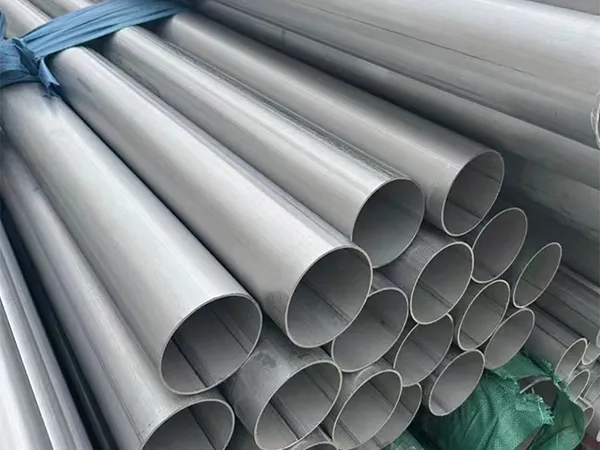
Womic Stainless Steel Co., Ltd

TP316Ti stainless steel pipe is a titanium-stabilized austenitic stainless steel material developed to improve high-temperature stability and resistance to intergranular corrosion. By adding a small amount of titanium to the traditional 316 stainless steel composition, the alloy becomes more resistant to carbide precipitation during prolonged exposure to elevated temperatures.
The titanium addition stabilizes carbon within the steel structure, preventing chromium carbide formation along grain boundaries. As a result, TP316Ti stainless steel pipe maintains excellent corrosion resistance even after welding or long-term high-temperature service.
Because of its improved thermal stability, strong corrosion resistance, and reliable mechanical performance, TP316Ti stainless steel pipe is widely used in petrochemical plants, chemical processing systems, high-temperature pipelines, and industrial heat exchanger equipment. It is particularly suitable for applications where stainless steel piping systems are exposed to temperatures between 450°C and 850°C for extended periods.
As an experienced stainless steel pipe manufacturer, Womic Steel supplies high-quality TP316Ti stainless steel pipes produced according to international standards and designed to meet demanding industrial requirements.
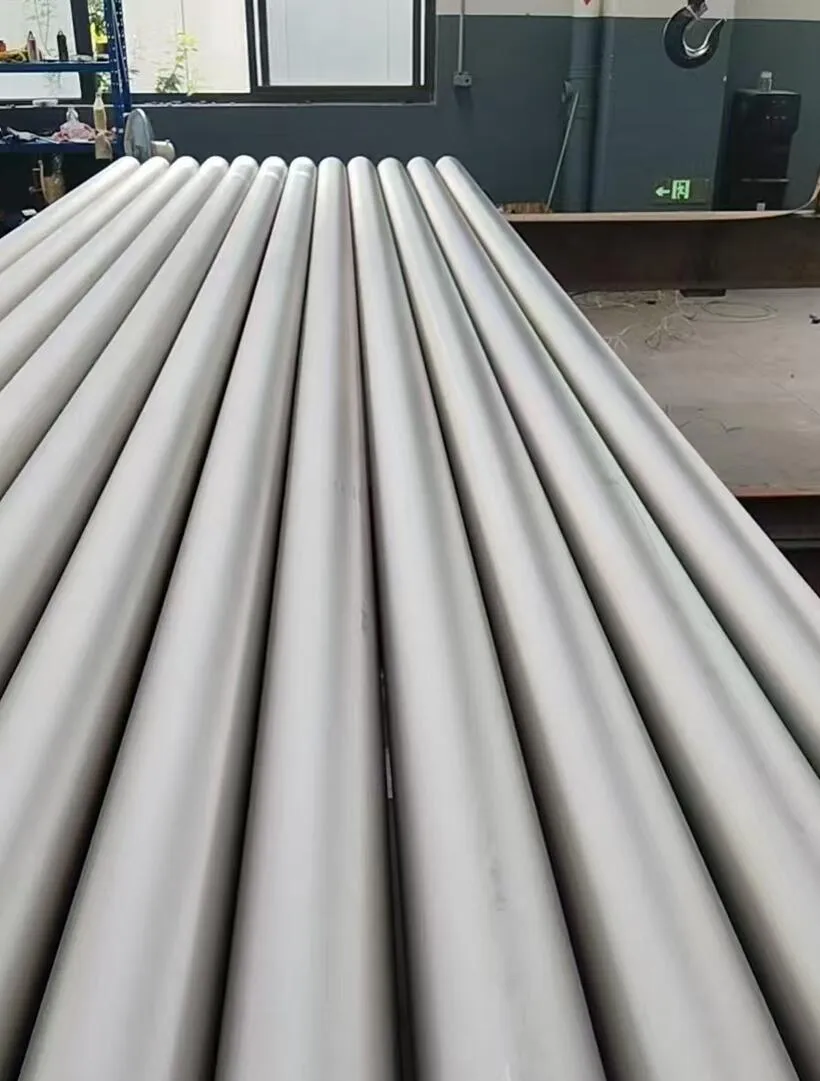
The chemical composition of TP316Ti stainless steel pipe is similar to standard 316 stainless steel but includes titanium as a stabilizing element.
Typical chemical composition:
|
Element |
Content (%) |
|
Carbon (C) |
≤ 0.08 |
|
Silicon (Si) |
≤ 1.00 |
|
Manganese (Mn) |
≤ 2.00 |
|
Phosphorus (P) |
≤ 0.045 |
|
Sulfur (S) |
≤ 0.030 |
|
Chromium (Cr) |
16.0 – 18.0 |
|
Nickel (Ni) |
10.0 – 14.0 |
|
Molybdenum (Mo) |
2.0 – 3.0 |
|
Titanium (Ti) |
≥ 5 × C |
Titanium acts as a stabilizing element by combining with carbon to form titanium carbides instead of chromium carbides. This prevents the depletion of chromium at grain boundaries, ensuring that the stainless steel pipe maintains its corrosion resistance even after exposure to high temperatures or welding operations.
Because of this metallurgical stability, TP316Ti stainless steel pipe is widely selected for long-term high-temperature service in aggressive chemical environments.
TP316Ti stainless steel pipes exhibit stable mechanical properties and good structural strength, making them suitable for industrial piping systems that require both corrosion resistance and mechanical reliability.
Typical mechanical properties include:
|
Property |
Value |
|
Tensile Strength |
≥ 515 MPa |
|
Yield Strength |
≥ 205 MPa |
|
Elongation |
≥ 35% |
|
Hardness |
≤ 95 HRB |
These mechanical properties ensure that TP316Ti stainless steel pipes can withstand pressure, thermal expansion, and mechanical loads in high-temperature industrial environments such as chemical reactors, petrochemical processing pipelines, and heat exchanger systems.
The manufacturing process of TP316Ti stainless steel pipes is carefully controlled to ensure dimensional accuracy, structural integrity, and long-term corrosion resistance. Womic Steel utilizes advanced production equipment and strict process control systems to produce both seamless and welded stainless steel pipes for industrial applications.
The seamless pipe production process begins with high-quality stainless steel billets that are carefully inspected for chemical composition and internal defects. These billets are heated in a rotary furnace to reach the appropriate forging temperature before entering the piercing stage.
During rotary piercing, the solid billet is transformed into a hollow shell using a high-speed piercing mill. The hollow shell is then processed through hot rolling mills to achieve the required pipe diameter and wall thickness. For precision applications, additional cold drawing or cold rolling processes may be applied to improve dimensional accuracy and surface finish.
After forming, the stainless steel pipes undergo solution annealing heat treatment at temperatures typically between 1040°C and 1100°C. This process restores the austenitic microstructure and dissolves any carbide formations that may affect corrosion resistance. Rapid cooling, usually by water quenching, ensures that the desired metallurgical structure is maintained.
Following heat treatment, the pipes are subjected to acid pickling to remove oxide scale from the surface. The pipes are then straightened, cut to required lengths, and prepared for final inspection.
For larger diameters and certain piping applications, TP316Ti stainless steel pipes may be produced using welded pipe manufacturing technology. Stainless steel plates or coils are formed into cylindrical shapes using precision forming equipment. The longitudinal seam is then welded using advanced welding techniques such as TIG welding, laser welding, or submerged arc welding.
After welding, the pipe undergoes heat treatment to relieve welding stresses and restore corrosion resistance in the heat-affected zone. Non-destructive testing methods are then applied to verify the integrity of the weld seam.
Through strict production control and advanced manufacturing technology, Womic Steel ensures that all TP316Ti stainless steel pipes meet international engineering standards and maintain consistent quality.
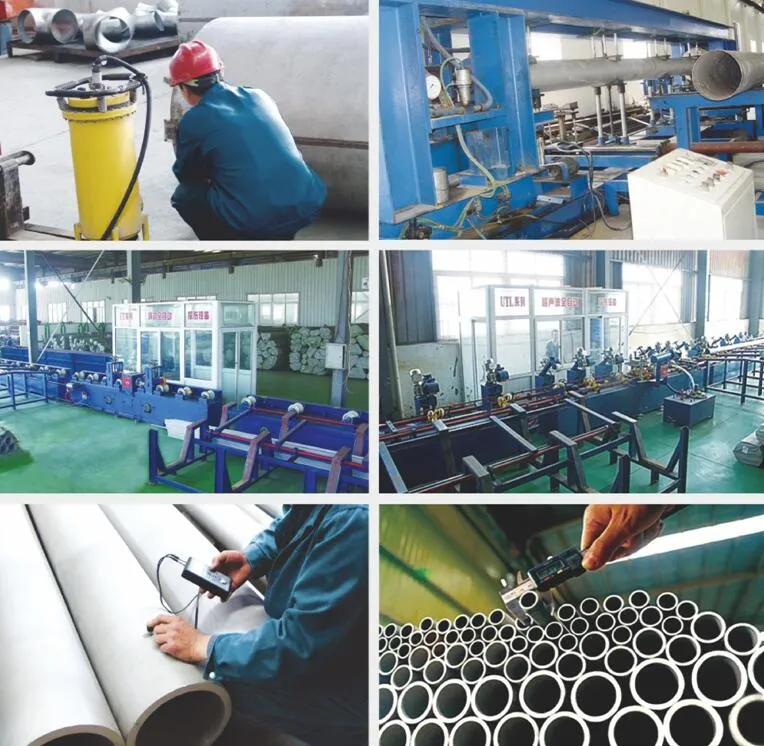
Inspection and testing are critical steps in the production of stainless steel pipes, especially when the pipes are intended for high-temperature and corrosive industrial environments. Womic Steel applies comprehensive quality control procedures to ensure that each TP316Ti stainless steel pipe meets strict international standards.
Chemical composition analysis is conducted using spectrometers to confirm that the alloy composition complies with ASTM and other relevant standards. Mechanical property tests such as tensile testing and elongation testing are performed to verify the structural strength and ductility of the material.
Hydrostatic pressure testing is conducted to confirm that each pipe can withstand internal pressure without leakage or deformation. Non-destructive testing methods such as ultrasonic testing (UT) and eddy current testing (ET) are used to detect internal defects or surface discontinuities.
Positive Material Identification (PMI) testing is often applied for critical projects to confirm the exact material grade and alloy composition. Intergranular corrosion testing may also be performed to ensure that the stabilized titanium alloy maintains resistance to grain boundary corrosion after welding or high-temperature service.
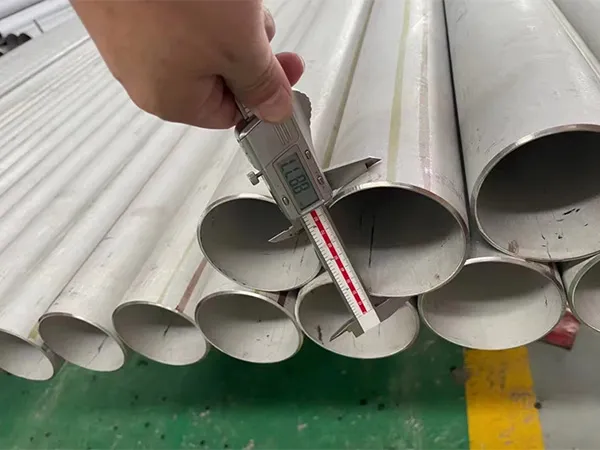
Dimensional inspection verifies pipe outer diameter, wall thickness, and straightness to ensure compliance with international pipe specifications. Visual inspection is also performed to check surface quality and overall pipe condition.
These strict inspection procedures ensure that TP316Ti stainless steel pipes produced by Womic Steel meet the quality requirements of industrial piping systems used in petrochemical plants, offshore platforms, and high-temperature processing facilities.
TP316Ti stainless steel pipe is widely used in industries that require reliable corrosion resistance combined with stable performance at elevated temperatures. Because the titanium addition prevents intergranular corrosion, the material is particularly suitable for applications involving long-term exposure to temperatures between 450°C and 850°C.
In the petrochemical industry, TP316Ti stainless steel pipes are commonly used for high-temperature process pipelines, reactor piping systems, and catalytic processing equipment. These pipelines must withstand corrosive chemicals, high pressure, and continuous thermal exposure, making stabilized stainless steel materials essential.
Chemical processing plants also rely heavily on TP316Ti stainless steel pipes for transporting aggressive media such as acids, solvents, and chemical intermediates. The combination of molybdenum and titanium in the alloy provides excellent resistance to pitting corrosion, crevice corrosion, and intergranular corrosion in harsh chemical environments.
In power generation facilities, TP316Ti stainless steel pipes are used in heat exchanger systems, boiler piping, and thermal processing equipment. The alloy’s ability to maintain mechanical strength and corrosion resistance at elevated temperatures ensures long-term reliability in these critical applications.
Marine engineering and offshore oil and gas platforms also utilize TP316Ti stainless steel pipes in piping systems exposed to seawater and chloride-rich environments. The improved corrosion resistance and structural stability help extend the service life of offshore infrastructure.
Other typical applications include furnace components, exhaust gas systems, refinery piping networks, and high-temperature industrial equipment where conventional stainless steel materials may not provide sufficient durability.
Womic Steel is a professional manufacturer specializing in the production and export of stainless steel pipes for global industrial markets. The company supplies a comprehensive range of stainless steel piping products including seamless stainless steel pipes, welded stainless steel pipes, precision stainless steel tubes, and customized piping solutions.
With advanced production equipment, modern rolling mills, and strict quality management systems, Womic Steel ensures consistent product quality and reliable mechanical performance. All stainless steel pipes undergo comprehensive inspection and testing before shipment to guarantee compliance with international standards and project specifications.
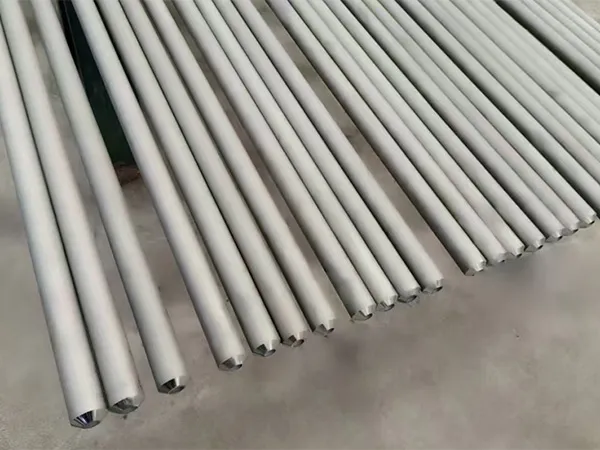
The company also offers flexible manufacturing capabilities, allowing customers to specify customized pipe dimensions, wall thicknesses, and lengths according to their engineering requirements. In addition, Womic Steel provides value-added processing services such as pipe cutting, beveling, and surface finishing to support efficient installation and fabrication.
Through continuous technological improvement and strong supply chain management, Womic Steel has become a reliable supplier of stainless steel pipes for industries including petrochemical processing, energy production, offshore engineering, and infrastructure construction.
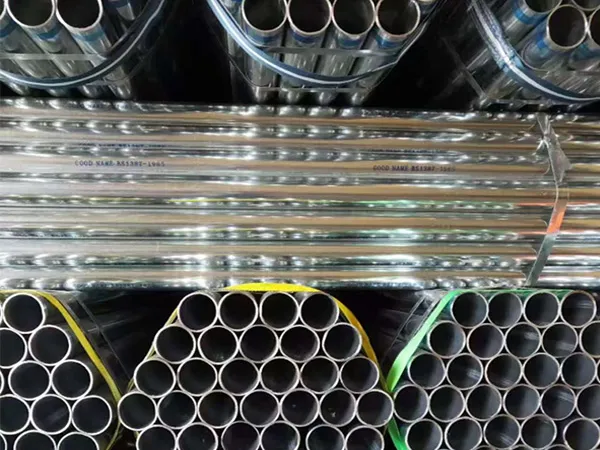
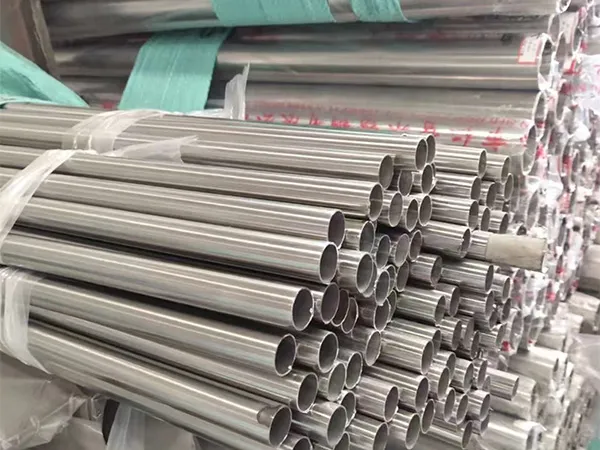
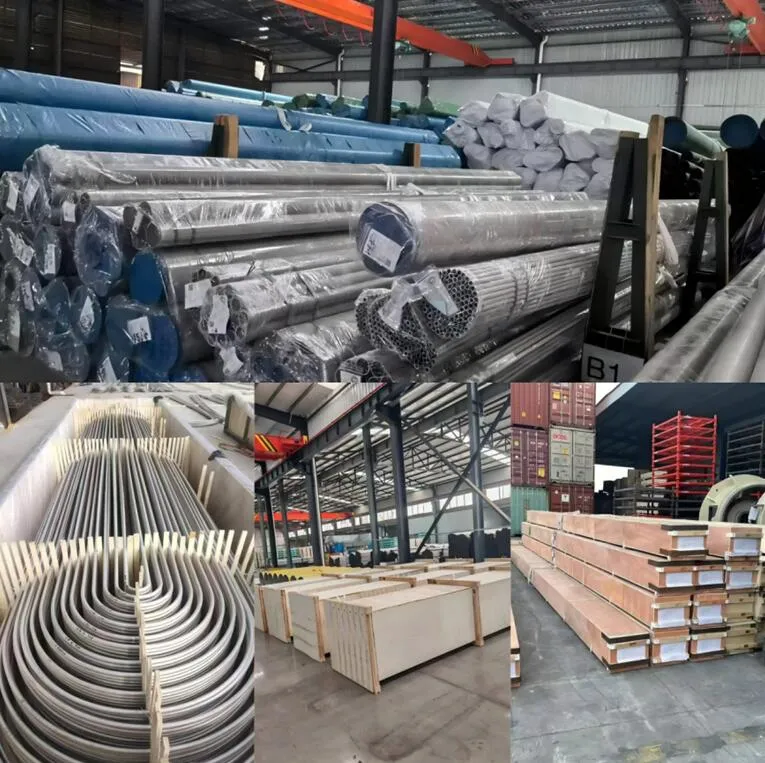
To ensure safe transportation during international shipping, TP316Ti stainless steel pipes are packaged using professional export standards. Pipes are typically bundled with steel straps and protected with plastic end caps to prevent damage during handling and transportation.
Waterproof wrapping materials are applied to protect the pipes from moisture exposure during sea freight transportation. For smaller diameter pipes or precision tubing, wooden cases may be used to provide additional protection.
With extensive export experience and strong logistics coordination, Womic Steel supplies stainless steel pipes to customers worldwide, supporting major industrial projects across energy, chemical, and infrastructure sectors.
TP316Ti stainless steel pipe continues to play an important role in modern industrial piping systems that require reliable corrosion resistance, high-temperature stability, and long service life. Through advanced manufacturing technology and strict quality control procedures, Womic Steel remains committed to providing high-quality stainless steel pipe solutions for demanding global engineering applications.