Womic Stainless Steel Co., Ltd

Stainless steel pipes are widely used in demanding industrial environments such as oil and gas pipelines, chemical processing facilities, marine engineering systems, and power generation infrastructure. Because these pipes often travel long distances during international trade, proper packaging and shipping procedures are essential to protect the products from mechanical damage, contamination, or environmental exposure.
For exporters and buyers alike, understanding the correctstainless steel pipe packagingand transportation methods helps ensure that products arrive at their destination in perfect condition. Poor packaging can lead to scratches, deformation, corrosion contamination, or dimensional damage, which may affect the performance and service life of the pipes.
Professional manufacturers and experiencedstainless steel pipe suppliersimplement strict packaging standards and shipping procedures to guarantee the safety of products during storage, handling, and international transportation.
This guide explains the most commonly used packaging methods, pipe protection measures, and international shipping practices used when exporting stainless steel pipes.
Unlike carbon steel pipes, stainless steel pipes have higher surface finish requirements and stricter cleanliness standards. Many stainless steel piping systems are used in industries such as food processing, pharmaceuticals, and chemical plants, where surface contamination must be avoided.
Properstainless steel pipe packagingensures several critical objectives.
First, packaging protects pipe surfaces from scratches during handling and transportation. Stainless steel surfaces can be damaged by contact with rough materials or improper lifting equipment.
Second, packaging prevents contamination from carbon steel particles. If stainless steel comes into contact with carbon steel dust or debris, corrosion spots may appear later during service.
Third, packaging protects pipes from environmental moisture and salt exposure during long sea transportation.
Finally, good packaging makes handling and loading operations more efficient and safe for workers and logistics teams.
Different packaging methods are used depending on pipe size, wall thickness, and shipment quantity.
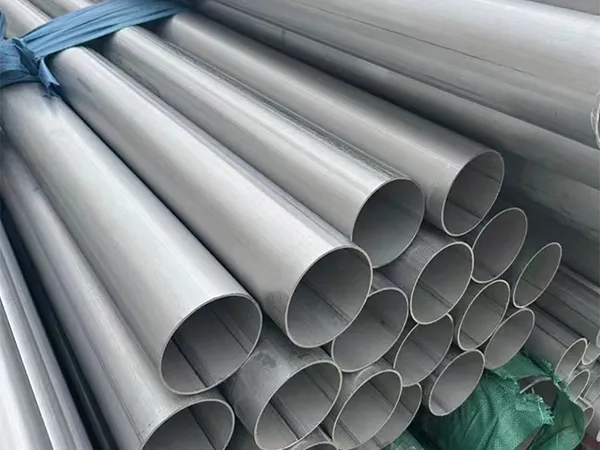
One of the most common packaging methods for stainless steel pipes is bundle packing.
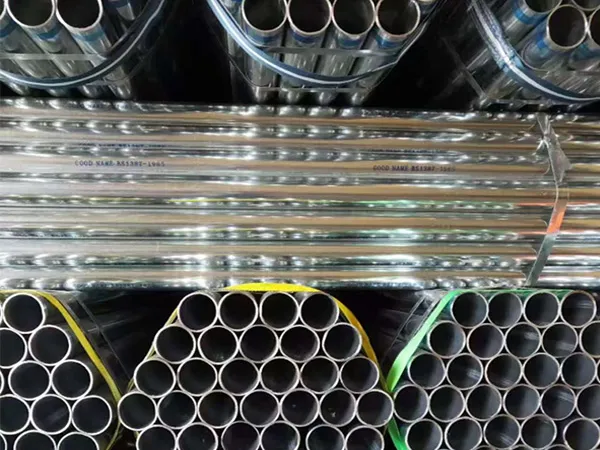
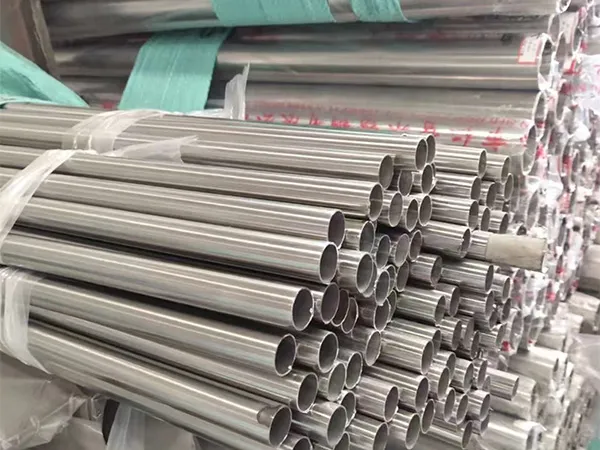
In bundle packing, pipes are grouped together and secured using strong steel straps. Wooden spacers are often placed between layers to prevent surface contact and damage.
For smaller pipes or precision stainless steel tubes, wooden boxes or plywood cases are frequently used. This method provides better protection against mechanical damage during transportation.
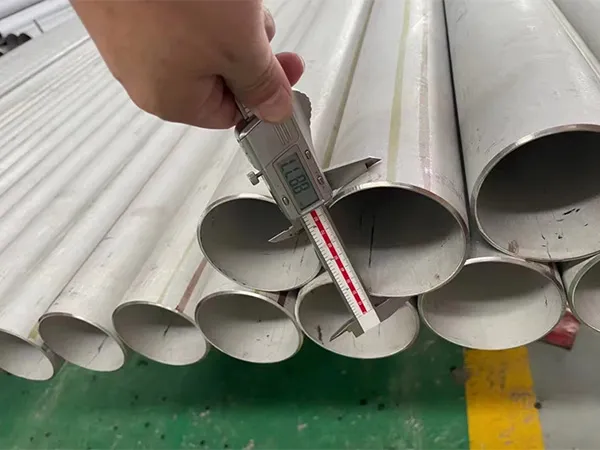
Large diameter stainless steel pipes are typically shipped individually with protective wrapping and steel banding.
Professionalstainless steel pipe suppliersselect packaging methods based on the pipe specifications and the transportation conditions.
The ends of stainless steel pipes require special protection during shipping because they are vulnerable to deformation or contamination.
Plastic end caps are commonly installed on both ends of each pipe. These caps protect the pipe interior from dust, moisture, and foreign materials.
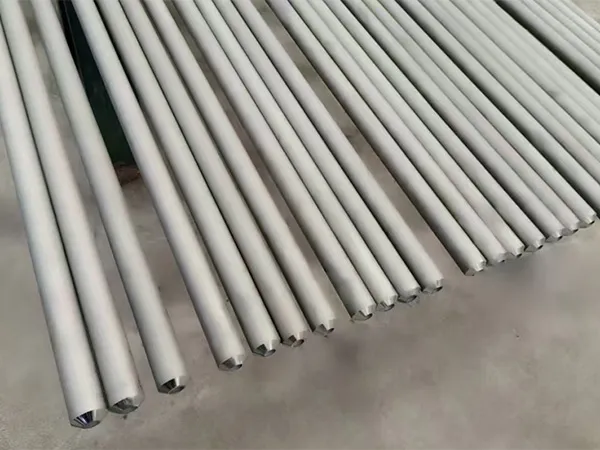
For pipes prepared with bevel ends for welding, additional protection may be used to prevent damage to the bevel geometry.
Proper end protection is particularly important for pipes used in high-pressure piping systems, where precise welding preparation is required.
Although stainless steel is corrosion resistant, surface scratches can reduce the appearance quality of the pipes and may also affect corrosion resistance in certain environments.
To prevent surface damage, stainless steel pipes are often wrapped with protective materials such as plastic film or waterproof wrapping paper.
In some cases, polyethylene protective film may be applied to polished or decorative stainless steel pipes.
These protective materials help ensure that the pipes maintain their original surface condition throughout the shipping process.
International shipping often involves long sea voyages that expose cargo to humid and salty environments.
Proper moisture protection is therefore an important aspect ofstainless steel pipe shipping.
Waterproof wrapping materials are typically used to cover pipe bundles. In addition, desiccants may be placed inside packaging to absorb moisture.
Container interiors may also be lined with moisture-resistant materials to prevent condensation during transportation.
These precautions help ensure that stainless steel pipes remain clean and corrosion-free upon arrival.
Correct container loading procedures are essential to prevent movement and damage during transportation.
Pipes are usually loaded into standard shipping containers such as 20-foot or 40-foot containers.
During loading, wooden blocks or rubber pads are placed between pipes and container floors to prevent sliding and surface damage.
Steel straps or securing belts are used to hold pipe bundles firmly in place.
Proper cargo securing prevents shifting during sea transport, which could otherwise cause mechanical damage.
Experiencedstainless steel pipe supplierscarefully plan container loading layouts to maximize space utilization while maintaining cargo safety.
Several transportation methods are used depending on pipe size, shipment volume, and project requirements.
Container shipping is the most common method for small and medium diameter pipes.
For large diameter pipes or very large project shipments, break bulk shipping may be used. In this method, pipes are loaded individually onto cargo vessels rather than inside containers.
Rail transportation may also be used for inland shipments before reaching seaports.
Selecting the appropriatestainless steel pipe shippingmethod ensures efficient delivery and cost optimization.
Proper marking is important to ensure that pipes can be easily identified during transportation and installation.
Each pipe or pipe bundle is usually marked with important information including:
Material grade
Pipe size
Heat number
Standard specification
Manufacturer identification
Clear markings help ensure traceability and allow project engineers to verify that the correct materials are installed.
Before shipment, manufacturers typically conduct final inspections to ensure that pipes meet all technical requirements.
These inspections may include:
Dimensional measurements
Surface inspection
Non-destructive testing
Hydrostatic testing
Material verification
Inspection reports and Mill Test Certificates are prepared and included with shipment documentation.
This quality verification process ensures that exported stainless steel pipes comply with project specifications.
Womic Steel is a professionalstainless steel pipe supplierwith extensive experience in global exports.
Our products include:
Seamless stainless steel pipes
Welded stainless steel pipes
Duplex stainless steel pipes
Super duplex stainless steel pipes
Precision stainless steel tubes
Production size range:
OD 1/4" – 80"
We implement strictstainless steel pipe packagingand export standards to ensure product safety during international transportation.
Our logistics team has extensive experience instainless steel pipe shipping, including container shipments, break bulk transport, and project cargo logistics.
Customers are always welcome to visit our factories, conduct production audits, and arrange third-party inspections before shipment.
Customized services. Rapid production. Global reach. We ensure your specific needs are fulfilled with precision and top-tier quality.
Website: www.womicstainless.com
Email:info@womicstainless.com
Tel/WhatsApp/WeChat:Victor: +86-15575100681 or Jack: +86-18390957568