Womic Stainless Steel Co., Ltd

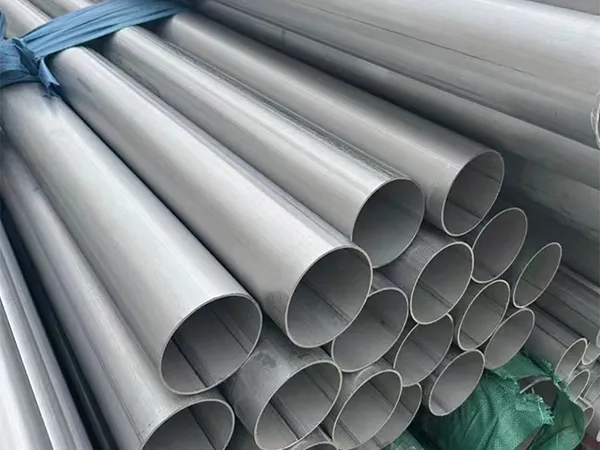
ASTM A213 stainless steel tubes are widely used in high-temperature and high-pressure environments where reliable thermal performance and corrosion resistance are essential. This specification, developed by ASTM International, covers seamless ferritic and austenitic alloy steel tubes designed for boiler systems, superheaters, and heat exchangers.
In modern industrial systems, boilers and heat exchangers operate under extreme temperature conditions and often involve aggressive fluids or gases. Under these circumstances, ordinary carbon steel tubing may suffer from oxidation, scaling, or corrosion, which can significantly reduce equipment lifespan. ASTM A213 stainless steel boiler tubes are specifically designed to address these challenges by providing excellent heat resistance, oxidation resistance, and long-term structural stability.
Because of these properties, ASTM A213 tubes are widely used in industries such as power generation, petrochemical processing, refinery operations, chemical plants, and industrial heating systems. Their ability to withstand high temperatures and pressure makes them a preferred material for critical thermal transfer equipment.
Manufacturers around the world produce ASTM A213 stainless steel tubes for use in modern energy infrastructure and industrial equipment, ensuring safe and efficient heat transfer operations.
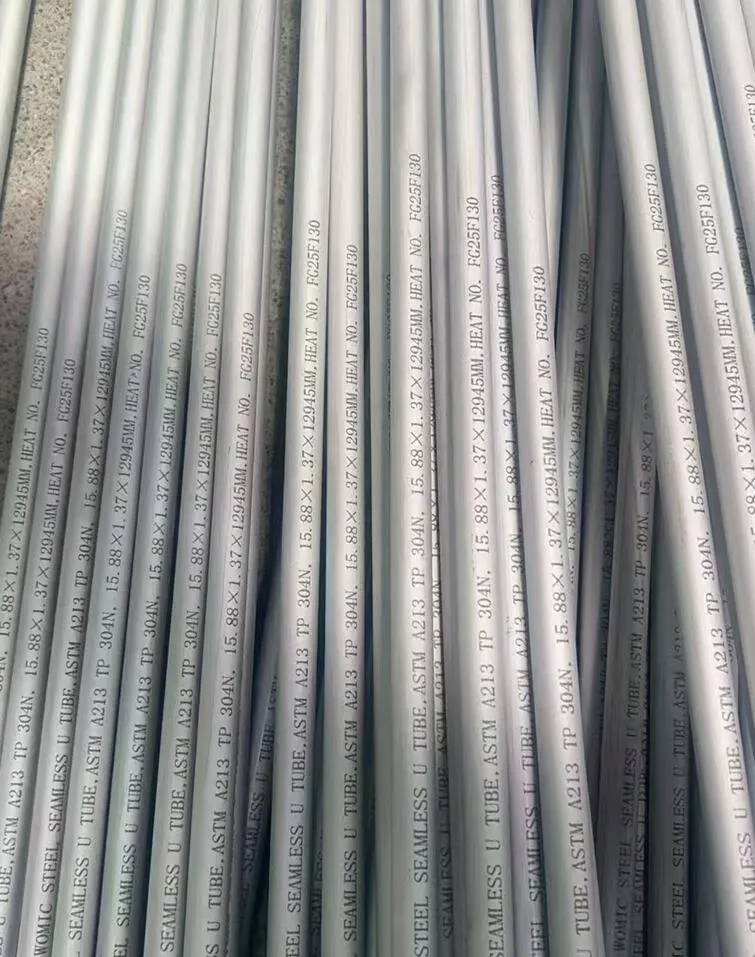
The ASTM A213 specification defines the manufacturing requirements, chemical composition, mechanical properties, heat treatment conditions, and inspection procedures for seamless alloy steel and stainless steel tubes used in high-temperature service.
Unlike general-purpose piping standards, ASTM A213 specifically targets tubes used in thermal equipment such as boilers and heat exchangers. These applications require tubes with superior heat resistance, high strength at elevated temperatures, and excellent resistance to scaling and oxidation.
The specification includes both ferritic alloy steels and austenitic stainless steels. Austenitic stainless steel grades are particularly valued for their corrosion resistance and high temperature performance.
Typical product forms covered under ASTM A213 include:
Boiler tubes
Superheater tubes
Heat exchanger tubes
Condenser tubes
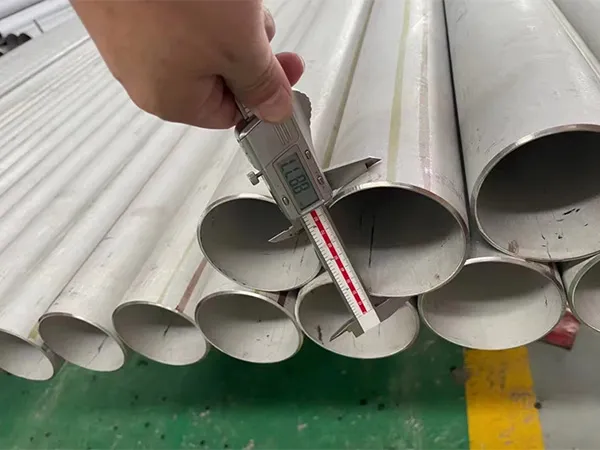
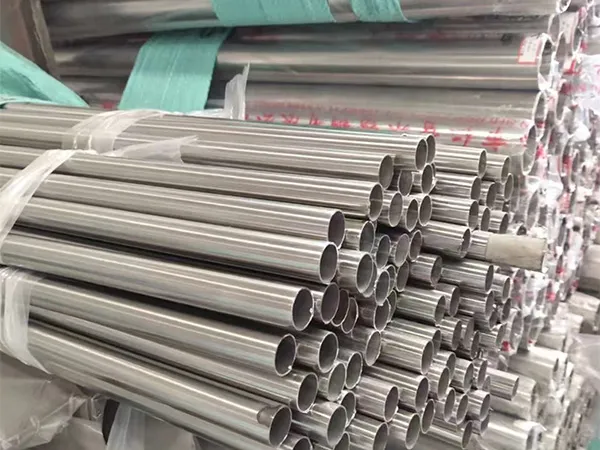
These tubes are usually produced as seamless stainless steel tubing to ensure maximum strength and structural integrity.
The chemical composition of ASTM A213 stainless steel tubes plays a critical role in determining their high-temperature stability and corrosion resistance.
Key alloying elements commonly present in ASTM A213 stainless steel grades include chromium, nickel, and molybdenum. Chromium forms a protective oxide film on the steel surface, which helps prevent oxidation and corrosion during high-temperature operation.
Nickel enhances ductility, toughness, and resistance to thermal fatigue, making it particularly valuable in heat exchanger and boiler applications where temperature cycles occur frequently.
In some stainless steel grades, molybdenum is added to improve resistance to pitting corrosion and chloride attack, which is particularly important in chemical processing and marine environments.
Low-carbon versions of certain grades are also available to reduce the risk of intergranular corrosion during welding and high-temperature exposure.
Carefully controlled alloy composition ensures that ASTM A213 tubes maintain stable mechanical properties and corrosion resistance even after long-term exposure to elevated temperatures.
Mechanical properties are critical for stainless steel tubes used in boilers and heat exchangers because these components operate under both thermal and mechanical stress.
ASTM A213 stainless steel tubes are designed to provide high tensile strength and excellent ductility. This combination allows the tubes to withstand internal pressure, thermal expansion, and mechanical vibration without failure.
At elevated temperatures, stainless steel maintains its strength better than many other materials. This characteristic is particularly important in boiler superheater tubes where operating temperatures may exceed several hundred degrees Celsius.
The mechanical properties defined by the ASTM A213 specification ensure that tubes used in high-temperature equipment can maintain structural stability and long service life.
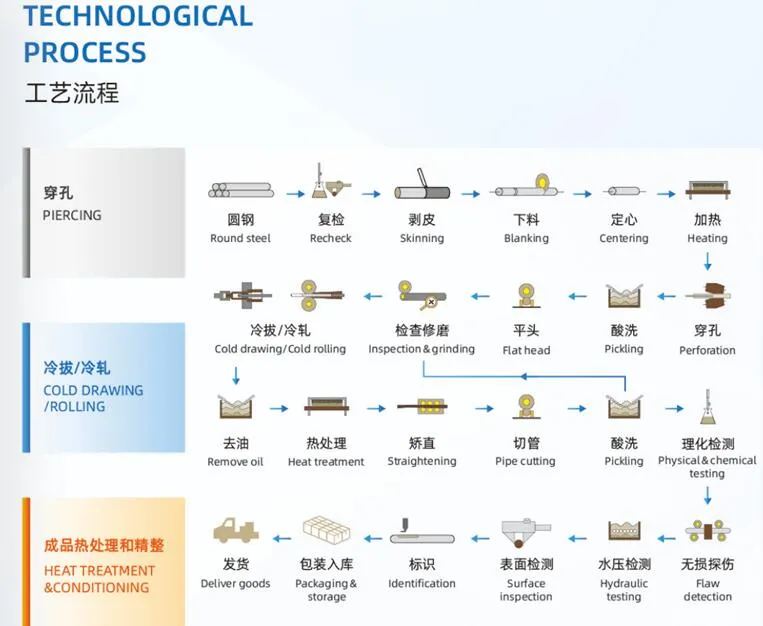
ASTM A213 stainless steel tubes are typically produced using seamless manufacturing processes. Seamless production ensures uniform microstructure and eliminates potential weaknesses associated with welded joints.
The manufacturing process begins with stainless steel billets that are heated and pierced to form hollow tubes. These tubes are then hot rolled or cold drawn to achieve the required dimensions and surface quality.
Cold drawing operations are commonly used to improve dimensional accuracy, surface finish, and mechanical properties. After forming, the tubes undergo heat treatment processes to optimize their microstructure and mechanical performance.
Heat treatment also helps relieve internal stresses created during manufacturing and enhances corrosion resistance.
Additional finishing operations such as straightening, pickling, and cleaning are performed to ensure that the tubes meet the strict requirements of boiler and heat exchanger applications.
Because ASTM A213 tubes are used in critical thermal equipment, strict quality inspection and testing procedures are required during manufacturing.
Chemical composition analysis is performed to verify that the alloy content meets specification requirements. Mechanical testing is conducted to confirm tensile strength, yield strength, and elongation properties.
Non-destructive testing methods such as ultrasonic inspection are used to detect internal defects or discontinuities within the tube wall.
Hydrostatic pressure testing may also be performed to verify that the tubes can withstand internal pressure during operation.
Dimensional inspection ensures that tube diameter, wall thickness, and length meet the tolerance requirements specified in the standard.
These comprehensive inspection procedures ensure that ASTM A213 stainless steel tubes meet the safety and reliability requirements of high-temperature industrial equipment.
ASTM A213 stainless steel tubes are widely used in equipment that requires efficient heat transfer and reliable high-temperature performance.
In power generation plants, these tubes are used in boiler systems, superheaters, and reheaters where steam temperatures are extremely high. The tubes must withstand continuous exposure to heat and pressure while maintaining structural integrity.
Petrochemical refineries also use ASTM A213 tubes in heat exchangers and process heaters where aggressive chemicals and high temperatures are common.
Chemical processing plants rely on these tubes for heat transfer systems that operate under corrosive conditions.
In addition, industrial heating systems, desalination plants, and energy infrastructure projects frequently use ASTM A213 stainless steel tubes to ensure efficient and reliable thermal performance.
Because of their durability and high-temperature resistance, these tubes are an essential component in modern industrial heat transfer equipment.
Womic Steel is an experienced manufacturer of stainless steel tubes and pipes designed for demanding industrial applications. The company produces high-quality ASTM stainless steel tubes used in boilers, heat exchangers, and thermal processing equipment.
The manufacturing facilities are equipped with advanced seamless tube production lines, precision cold drawing machines, and modern heat treatment furnaces that allow the company to produce stainless steel tubes with excellent dimensional accuracy and mechanical performance.
Womic Steel offers a wide range of stainless steel materials suitable for ASTM A213 applications, including austenitic stainless steels designed for high-temperature and corrosion-resistant environments.
Each tube undergoes strict quality inspection procedures including chemical analysis, mechanical testing, dimensional verification, and non-destructive testing to ensure compliance with international standards.
The company’s production capacity and technical expertise allow it to supply stainless steel tubes for global projects in industries such as energy, chemical processing, marine engineering, and industrial manufacturing.
Through advanced manufacturing technology and comprehensive quality control systems, Womic Steel provides reliable stainless steel tube solutions for high-temperature industrial equipment.
ASTM A213 stainless steel tubes play a vital role in high-temperature industrial systems where heat transfer efficiency and corrosion resistance are critical. Their ability to withstand extreme operating conditions makes them indispensable in boilers, heat exchangers, and other thermal processing equipment.
By following strict manufacturing standards and inspection procedures, producers ensure that ASTM A213 tubes deliver reliable performance and long service life in demanding environments.
With advanced production facilities, extensive experience, and strong quality control systems, Womic Steel manufactures stainless steel tubes that meet the requirements of global engineering projects and high-performance industrial equipment.
Customized services. Rapid production. Global reach. We ensure your specific needs are fulfilled with precision and top-tier quality.
Website: www.womicstainless.com
Email:info@womicstainless.com
Tel/WhatsApp/WeChat:Victor: +86-15575100681 or Jack: +86-18390957568