Womic Stainless Steel Co., Ltd

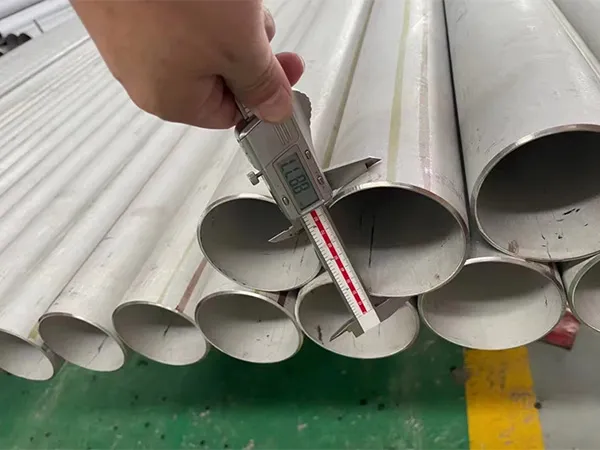
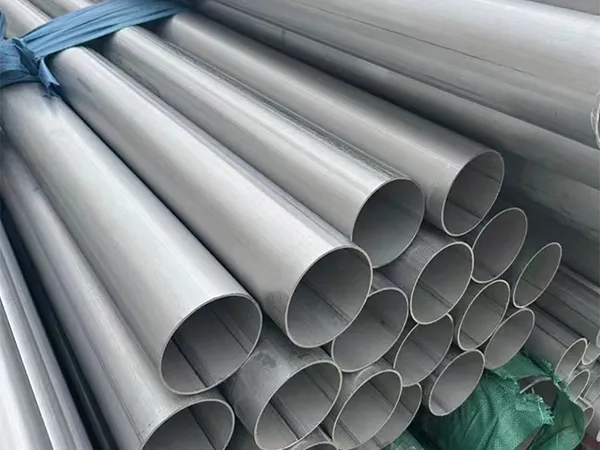
316 stainless steel pipe is a molybdenum-alloyed austenitic stainless steel pipe designed for superior corrosion resistance in aggressive environments. Compared with 304 stainless steel, the addition of molybdenum significantly improves resistance to pitting corrosion, crevice corrosion, and chloride attack.
Because of these advantages, 316 stainless steel pipes are widely used in marine engineering, chemical processing plants, offshore platforms, power generation systems, desalination plants, and industrial fluid transportation systems.
This material is typically manufactured in accordance with international standards such as ASTM A312, ASTM A213 and ASTM A269.
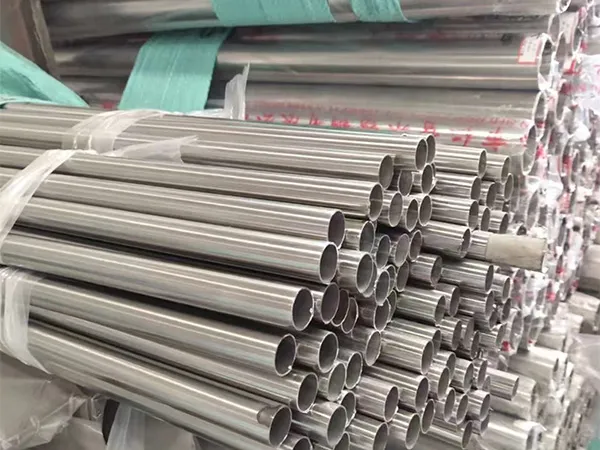
As a global supplier, Womic Steel produces both seamless and welded 316 stainless steel pipes that comply with strict international engineering standards.
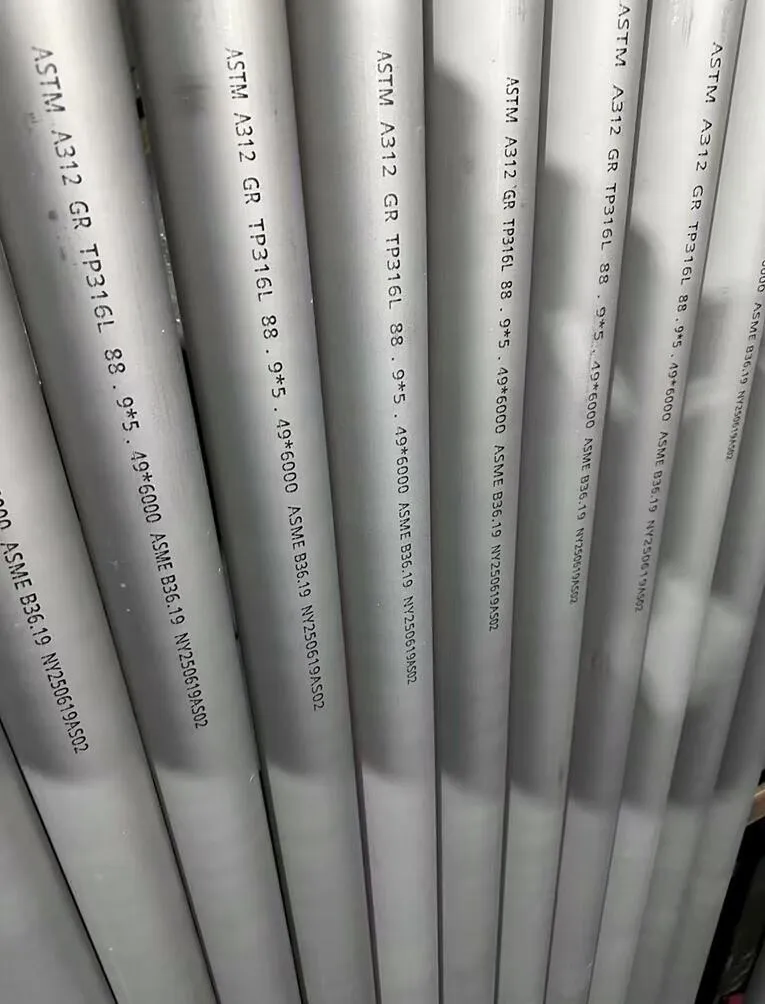
316 stainless steel pipes are manufactured according to multiple international specifications to meet various engineering requirements.
Common standards include:
1 ASTM A312
2 ASTM A213
3 ASTM A269
4 EN 10216-5
5 EN 10217-7
6 JIS G3459
These standards specify requirements for chemical composition, mechanical properties, heat treatment, dimensional tolerances, and inspection procedures.
316 stainless steel corresponds to several equivalent grades across global standards.
|
Standard |
Grade |
|
ASTM |
TP316 |
|
UNS |
S31600 |
|
EN |
1.4401 |
|
JIS |
SUS316 |
|
ISO |
X5CrNiMo17-12-2 |
These equivalent materials provide similar corrosion resistance and mechanical properties, making them interchangeable in many engineering designs.
The addition of molybdenum is the key feature that distinguishes 316 stainless steel from 304 stainless steel.
|
Element |
Content (%) |
|
Carbon (C) |
≤0.08 |
|
Silicon (Si) |
≤1.00 |
|
Manganese (Mn) |
≤2.00 |
|
Phosphorus (P) |
≤0.045 |
|
Sulfur (S) |
≤0.030 |
|
Chromium (Cr) |
16.0 – 18.0 |
|
Nickel (Ni) |
10.0 – 14.0 |
|
Molybdenum (Mo) |
2.0 – 3.0 |
|
Nitrogen (N) |
≤0.10 |
The molybdenum content improves resistance to chloride-induced corrosion and increases durability in marine and chemical environments.
316 stainless steel pipes provide reliable strength and good ductility for industrial applications.
|
Property |
Value |
|
Tensile Strength |
≥515 MPa |
|
Yield Strength |
≥205 MPa |
|
Elongation |
≥35% |
|
Hardness |
≤217 HBW |
These properties ensure the pipe maintains structural integrity under pressure, temperature fluctuations, and mechanical loads.
316 stainless steel pipe offers significantly improved corrosion resistance compared to standard 304 stainless steel.
Key corrosion resistance advantages include:
1 Excellent resistance to
chloride pitting corrosion
2 Strong performance in marine environments
3 High resistance to sulfuric and phosphoric acids
4 Improved resistance to crevice corrosion
5 Good oxidation resistance at elevated temperatures
Because of these properties, 316 stainless steel pipe is widely used in offshore and chemical processing environments where corrosion resistance is critical.
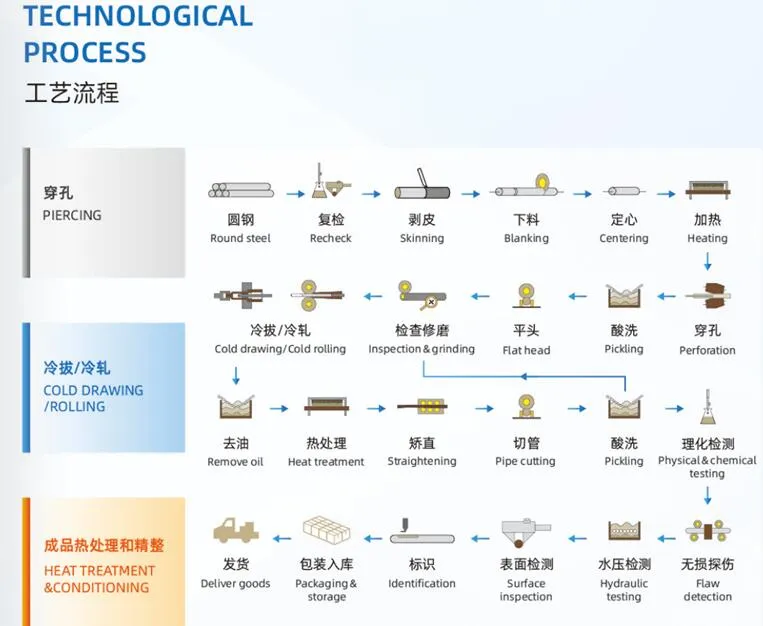
Seamless 316 stainless steel pipes are produced using advanced hot forming and cold finishing technologies.
Typical production process includes:
1 stainless steel billet
inspection
2 billet heating in rotary furnaces
3 piercing process to create hollow shells
4 hot rolling or extrusion
5 cold drawing for dimensional precision
6 solution annealing heat treatment
7 straightening and cutting
8 non-destructive testing and inspection
Womic Steel utilizes advanced manufacturing equipment to ensure high dimensional accuracy and consistent metallurgical quality.
Welded 316 stainless steel pipes are produced by forming stainless steel strip or plate into cylindrical shapes and welding the seam.
Typical production steps include:
1 stainless steel coil
preparation
2 roll forming into pipe shape
3 automatic TIG welding
4 weld seam heat treatment
5 pickling and passivation
6 sizing and straightening
7 final inspection and testing
Modern welding technologies allow welded stainless steel pipes to achieve high structural integrity and corrosion resistance.
316 stainless steel pipes are available in a wide range of diameters and wall thicknesses.
Typical production capabilities of Womic Steel include:
|
Pipe Type |
Outside Diameter |
|
Seamless Pipe |
6 mm – 610 mm |
|
Welded Pipe |
15 mm – 2000 mm |
Standard pipe lengths include:
6 meters
12 meters
custom lengths based on project specifications.
316 stainless steel pipes are commonly supplied according to ASME pipe schedules.
Common schedules include:
SCH 5
SCH 10
SCH 20
SCH 40
SCH 80
SCH 160
Selection of pipe thickness depends on system pressure, operating temperature, and design codes.
Different surface treatments are available depending on the application.
Typical surface finishes include:
1 pickled surface
2 bright annealed surface
3 polished surface
4 sand blasted surface
These surface finishes enhance corrosion resistance and provide improved appearance.
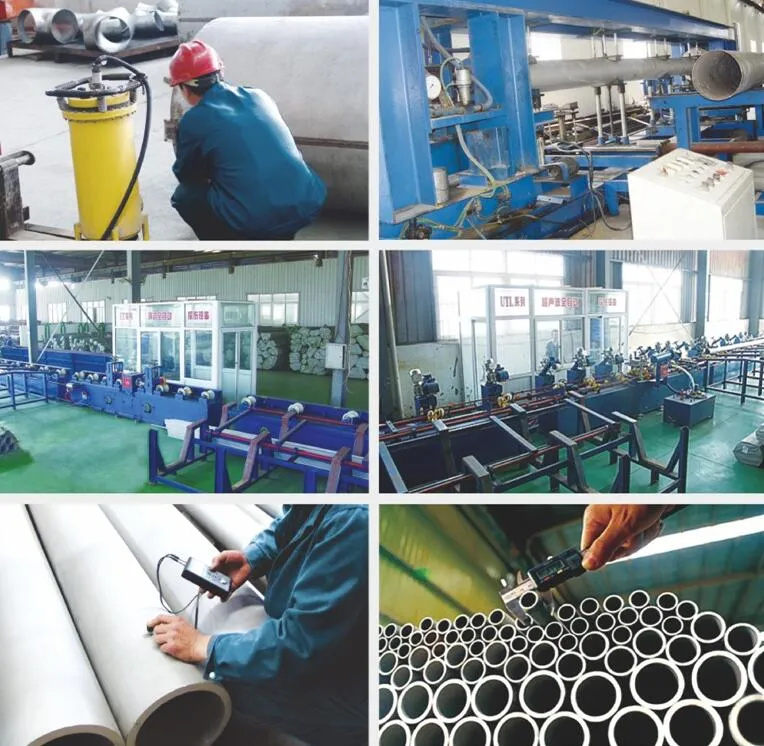
Strict inspection procedures are applied to ensure product quality and compliance with international standards.
Typical inspection methods include:
1 chemical composition
analysis
2 mechanical property testing
3 hydrostatic pressure test
4 eddy current testing
5 ultrasonic testing
6 PMI (Positive Material Identification)
7 intergranular corrosion testing
8 dimensional inspection
Womic Steel provides full mill test certificates and quality documentation.
Because of its excellent corrosion resistance and durability, 316 stainless steel pipe is widely used in many industries.
Typical applications include:
1 marine engineering and
offshore platforms
2 chemical processing plants
3 petrochemical facilities
4 desalination systems
5 power generation plants
6 heat exchanger systems
7 pharmaceutical production lines
8 food processing equipment
These industries require reliable materials capable of operating safely under corrosive conditions.
Proper packaging protects stainless steel pipes during transportation.
Typical export packing includes:
1 wooden cases
2 steel strip bundles
3 plastic end caps
4 waterproof wrapping materials
Womic Steel provides professional export packing solutions suitable for long-distance international shipping.
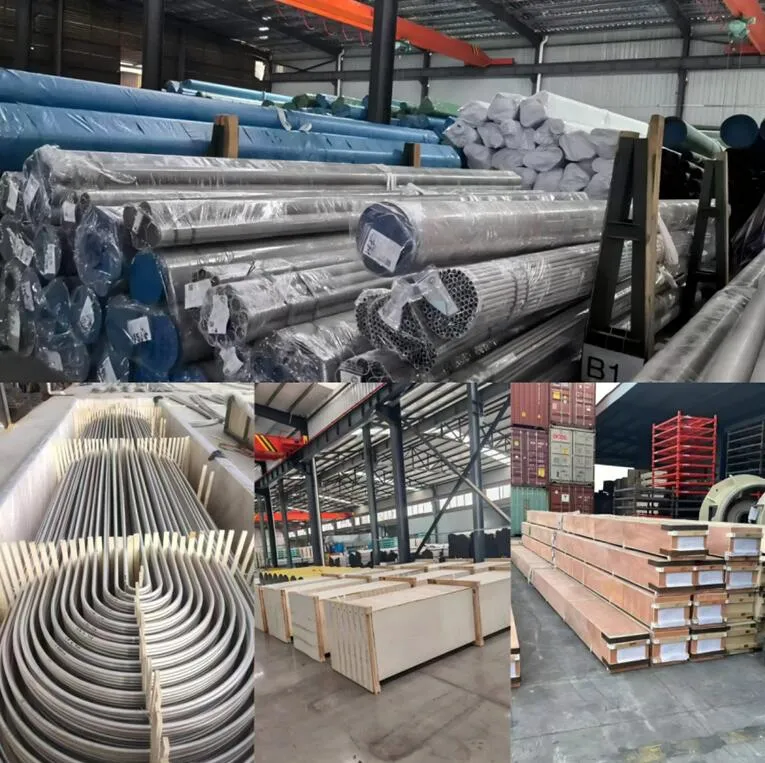
As a global supplier of stainless steel piping products, Womic Steel offers comprehensive manufacturing and supply capabilities.
Key advantages include:
1 Advanced stainless steel pipe production equipment
2 Strict quality inspection and testing systems
3 Wide range of pipe sizes and grades
4 Competitive pricing for international projects
5 Reliable delivery schedules and logistics support
With extensive experience supplying stainless steel pipes to international engineering projects, Womic Steel provides reliable piping solutions for customers worldwide.
Customized services. Rapid production. Global reach. We ensure your specific needs are fulfilled with precision and top-tier quality.
Website: www.womicstainless.com
Email:info@womicstainless.com
Tel/WhatsApp/WeChat:Victor: +86-15575100681 or Jack: +86-18390957568