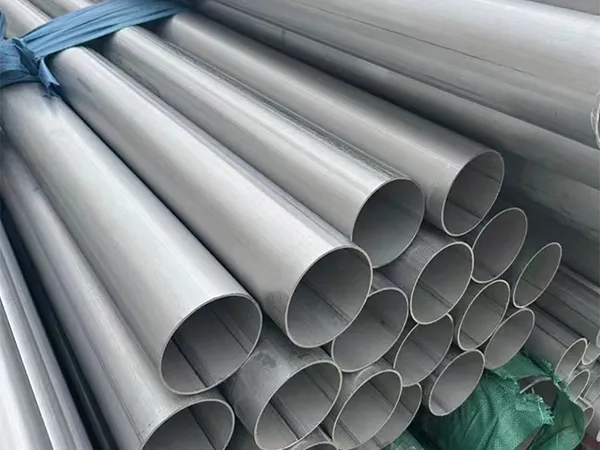
Womic Stainless Steel Co., Ltd

309 stainless steel pipe is a high-alloy austenitic stainless steel piping material widely used in elevated-temperature industrial environments. Due to its increased chromium and nickel content compared with conventional 304 or 304L stainless steel, Grade 309 stainless steel pipe demonstrates significantly enhanced oxidation resistance and thermal stability, making it particularly suitable for high-temperature service conditions such as furnaces, heat-treating equipment, petrochemical processing units, and power generation facilities.
In industrial piping systems where temperatures exceed 800°C and corrosion risks are present, 309 stainless steel pipe provides a reliable solution. The alloy composition of approximately 22–24% chromium and 12–15% nickel allows the material to maintain structural integrity and corrosion resistance in both oxidizing and mildly reducing atmospheres. These characteristics make it a preferred choice for furnace tubes, radiant heater piping, combustion chambers, and thermal processing equipment.
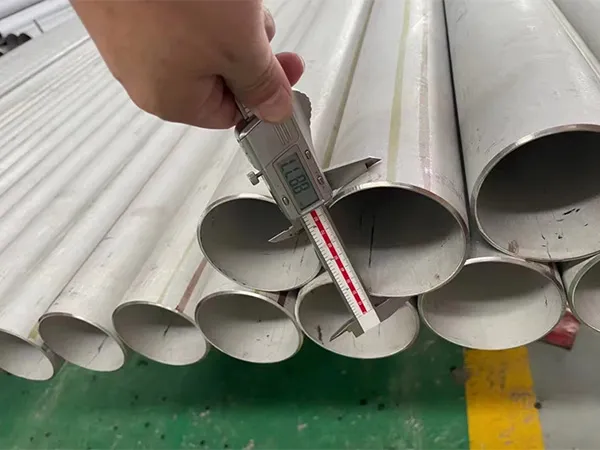
309 stainless steel pipes are typically manufactured in both seamless and welded forms to satisfy different engineering requirements. Seamless pipes are generally used in high-pressure and high-temperature applications where superior mechanical strength and structural uniformity are required, while welded pipes are commonly applied in large-diameter piping systems where cost efficiency and fabrication flexibility are important.
The demand for 309 stainless steel pipes continues to grow in industries such as petrochemical refining, metallurgy, chemical processing, thermal power plants, and industrial furnace manufacturing. With excellent resistance to oxidation scaling and high-temperature corrosion, the alloy is capable of maintaining long service life even under continuous exposure to extreme heat conditions.
Womic Steel manufactures 309 stainless steel pipes in accordance with international standards including ASTM, ASME, EN, and JIS specifications. Through advanced production technology, strict quality control procedures, and comprehensive inspection systems, Womic Steel ensures that all supplied stainless steel pipes meet the highest requirements of industrial engineering and global export standards.
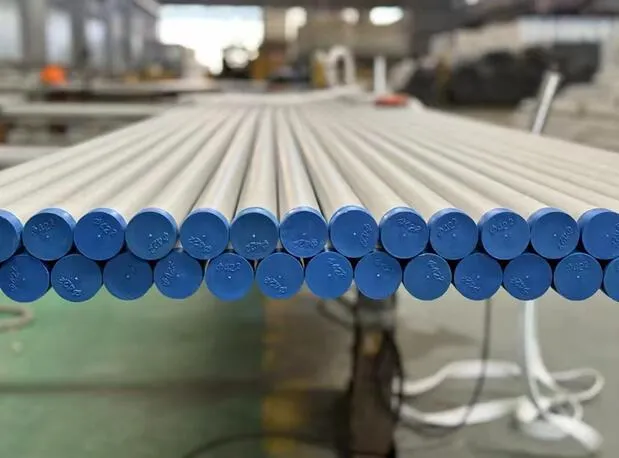
309 stainless steel pipes are produced according to several internationally recognized standards that regulate manufacturing requirements, dimensional tolerances, mechanical performance, and inspection procedures.
Commonly applied standards include:
ASTM Standards
ASTM A312 – Seamless and welded austenitic stainless
steel pipe
ASTM A213 – Stainless steel boiler and heat exchanger tubing
ASTM A269 – General service stainless steel tubing
ASTM A358 – Electric fusion welded stainless steel pipe for high-temperature
service
ASTM A376 – High-temperature central station service pipe
ASME Standards
ASME SA312
ASME SA213
European Standards
EN 10216-5 – Seamless stainless steel tubes for pressure
purposes
EN 10217-7 – Welded stainless steel pipes for pressure applications
Japanese Standards
JIS G3459 – Stainless steel pipes for piping
ISO Standards
ISO 1127 – Stainless steel tube dimensions and tolerances
These standards define the chemical composition limits, mechanical properties, inspection methods, and testing requirements for 309 stainless steel pipes. Pipes produced under these standards are suitable for demanding industrial environments involving high temperature, pressure, and corrosive media.
The excellent high-temperature resistance of 309 stainless steel pipe is primarily derived from its chemical composition. The higher chromium content improves oxidation resistance, while nickel enhances structural stability at elevated temperatures.
Typical chemical composition is shown below:
|
Element |
Content (%) |
|
Carbon (C) |
≤ 0.20 |
|
Silicon (Si) |
≤ 0.75 |
|
Manganese (Mn) |
≤ 2.00 |
|
Phosphorus (P) |
≤ 0.045 |
|
Sulfur (S) |
≤ 0.030 |
|
Chromium (Cr) |
22.0 – 24.0 |
|
Nickel (Ni) |
12.0 – 15.0 |
|
Iron (Fe) |
Balance |
High chromium levels enable the formation of a stable chromium oxide film on the surface of the steel, which protects the material from oxidation and scaling during prolonged exposure to high temperatures. Nickel improves the austenitic microstructure stability, preventing phase transformation under thermal cycling conditions.
The balanced alloy composition allows 309 stainless steel pipes to resist oxidation up to approximately 1000°C in continuous service environments.
309 stainless steel pipes possess reliable mechanical strength and ductility even at elevated temperatures, ensuring safe operation in demanding industrial applications.
Typical mechanical properties are listed below:
|
Property |
Value |
|
Tensile Strength |
≥ 515 MPa |
|
Yield Strength |
≥ 205 MPa |
|
Elongation |
≥ 40% |
|
Hardness |
≤ 95 HRB |
These mechanical characteristics allow 309 stainless steel pipes to withstand internal pressure, thermal stress, and mechanical loading in industrial piping systems. The combination of high strength and excellent ductility also supports fabrication processes such as bending, forming, and welding.
In addition to mechanical performance, the physical properties of 309 stainless steel contribute to its reliability in thermal processing environments.
Typical physical properties include:
Density: 7.9 g/cm³
Thermal Conductivity: 14.2 W/m·K
Specific Heat: 500 J/kg·K
Electrical Resistivity: 0.78 µΩ·m
Thermal Expansion Coefficient: 16.5 µm/m·°C
These physical characteristics provide stable thermal expansion behavior and efficient heat transfer performance, which are essential for furnace components, heat exchanger systems, and high-temperature process pipelines.
309 stainless steel pipes are available in a wide range of dimensions to meet various industrial design requirements.
Typical production range includes:
Outer Diameter: 6 mm – 1200 mm
Wall Thickness: 1 mm – 60 mm
Length: Up to 12 meters or customized length
Standard pipe schedules include:
SCH5
SCH10
SCH20
SCH40
SCH80
SCH160
XXS
Both seamless and welded pipes can be produced depending on the required size and service conditions. Larger diameters are commonly manufactured using welded pipe technology, while smaller diameters for high-pressure systems are often produced as seamless pipes.
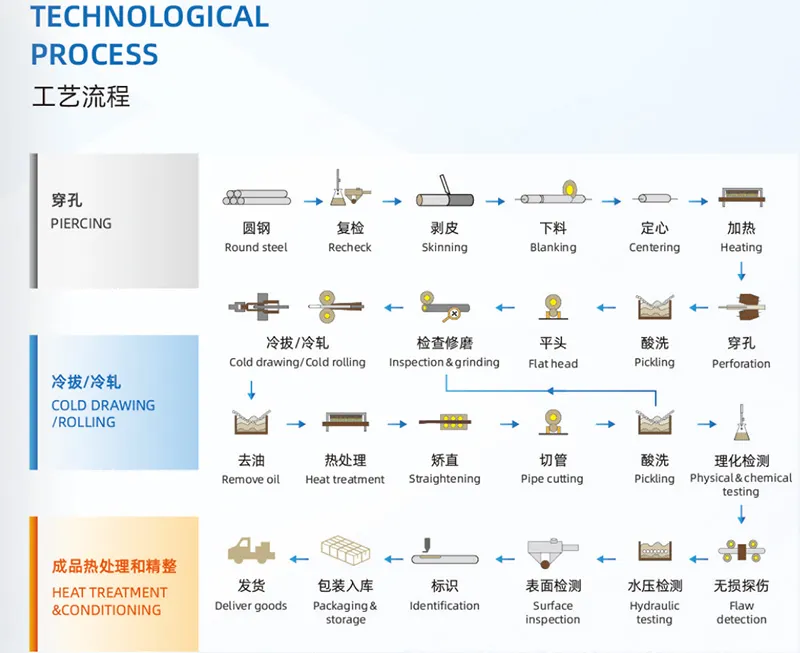
The manufacturing process of stainless steel pipes plays a critical role in determining the final product quality, dimensional accuracy, and mechanical performance.
1 Raw Material Selection
High-quality stainless steel billets are selected and inspected for chemical composition
compliance.
2 Heating
The billet is heated in a rotary furnace to the required forging temperature.
3 Piercing
A rotary piercing mill forms the hollow shell.
4 Hot Rolling
The hollow shell is rolled to achieve the required diameter and wall thickness.
5 Cold Drawing or Cold Rolling
Additional cold processing improves dimensional accuracy and surface finish.
6 Solution Annealing
The pipe is heated to approximately 1050°C and rapidly cooled to restore
corrosion resistance.
7 Pickling and Surface Cleaning
Acid pickling removes oxide scale and improves surface quality.
Welded pipes are produced by forming stainless steel plates or coils into cylindrical shapes followed by welding using TIG, laser, or high-frequency welding techniques.
After welding, pipes undergo heat treatment, straightening, sizing, and surface finishing to ensure compliance with applicable standards.
Solution annealing is an essential process for 309 stainless steel pipes to achieve optimal corrosion resistance and mechanical properties.
Typical heat treatment conditions include:
Solution Annealing Temperature: 1040 – 1100°C
Cooling Method: Rapid water quenching or air cooling
This heat treatment process dissolves chromium carbides, restores the austenitic microstructure, and enhances both corrosion resistance and ductility.
309 stainless steel pipes can be supplied with different surface finishes depending on application requirements.
Common surface conditions include:
Pickled Surface
Industrial Matte Finish
Bright Annealed Surface (BA)
Polished Surface
Pickled surfaces are typically used in industrial pipelines, while bright annealed or polished finishes are preferred for decorative or hygienic applications.
To ensure the reliability and safety of stainless steel pipes in industrial service, comprehensive inspection and testing procedures are implemented.
Typical testing procedures include:
Chemical Composition Analysis
Mechanical Property Testing
Hydrostatic Pressure Testing
Ultrasonic Testing (UT)
Eddy Current Testing (ET)
Positive Material Identification (PMI)
Intergranular Corrosion Testing
Dimensional Inspection
Visual Surface Examination
These tests verify that each pipe meets the required mechanical strength, chemical composition limits, and structural integrity defined by international standards.
309 stainless steel pipe exhibits excellent weldability due to its stable austenitic structure. It can be welded using conventional welding processes without the need for extensive preheating.
Common welding methods include:
Gas Tungsten Arc Welding (TIG)
Gas Metal Arc Welding (MIG)
Shielded Metal Arc Welding (SMAW)
Suitable filler metals typically include ER309 or ER309L welding rods.
Post-weld heat treatment is generally not required unless the component operates under extreme thermal conditions.
One of the most significant advantages of 309 stainless steel is its superior oxidation resistance at high temperatures.
The alloy can resist oxidation scaling up to approximately 1000°C in continuous service and even higher temperatures in intermittent exposure conditions.
It also provides resistance to:
High-temperature corrosion
Sulfur-bearing atmospheres
Oxidizing furnace environments
This makes the alloy ideal for industrial heating equipment and thermal processing facilities.
309 stainless steel is often compared with other high-temperature stainless steel grades.
|
Grade |
Key Characteristics |
|
304 |
General corrosion resistance |
|
309 |
High temperature oxidation resistance |
|
310S |
Higher temperature capability |
|
316L |
Superior corrosion resistance in chloride environments |
Compared with 304 stainless steel, 309 offers significantly better heat resistance. However, when extremely high temperatures are involved, 310 or 310S stainless steel may provide even better performance.
309 stainless steel pipes are widely used across various high-temperature industrial sectors.
Typical applications include:
Industrial Furnace Tubing
Heat Treatment Equipment
Petrochemical Processing Units
Thermal Power Plants
Combustion Chambers
Radiant Heater Tubes
Boiler Components
Chemical Processing Equipment
Metallurgical Furnace Structures
Because of its ability to withstand continuous thermal exposure, 309 stainless steel is commonly found in furnace manufacturing and heat processing industries.
Womic Steel manufactures a comprehensive range of stainless steel pipes for global industrial markets. With advanced production equipment, strict quality management systems, and extensive export experience, Womic Steel ensures that all products meet international engineering requirements.
Production capabilities include seamless pipes, welded pipes, customized sizes, and various surface finishes. All pipes undergo rigorous quality inspection before shipment to guarantee product reliability and long-term service performance.
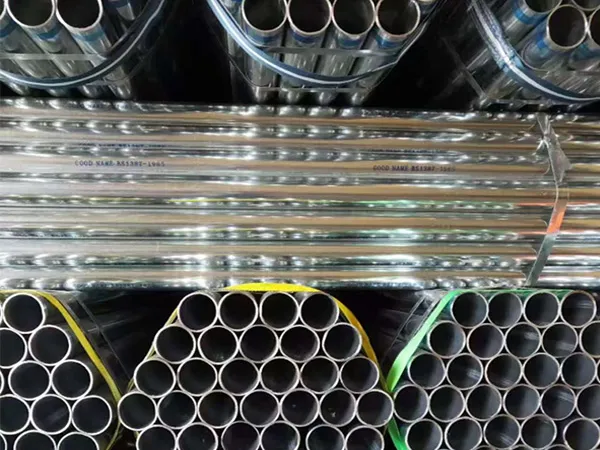
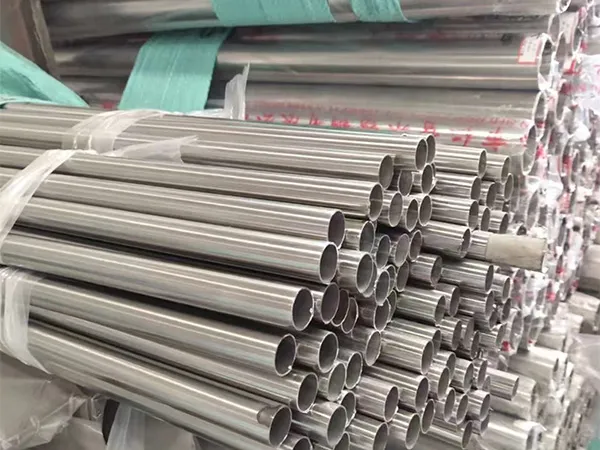
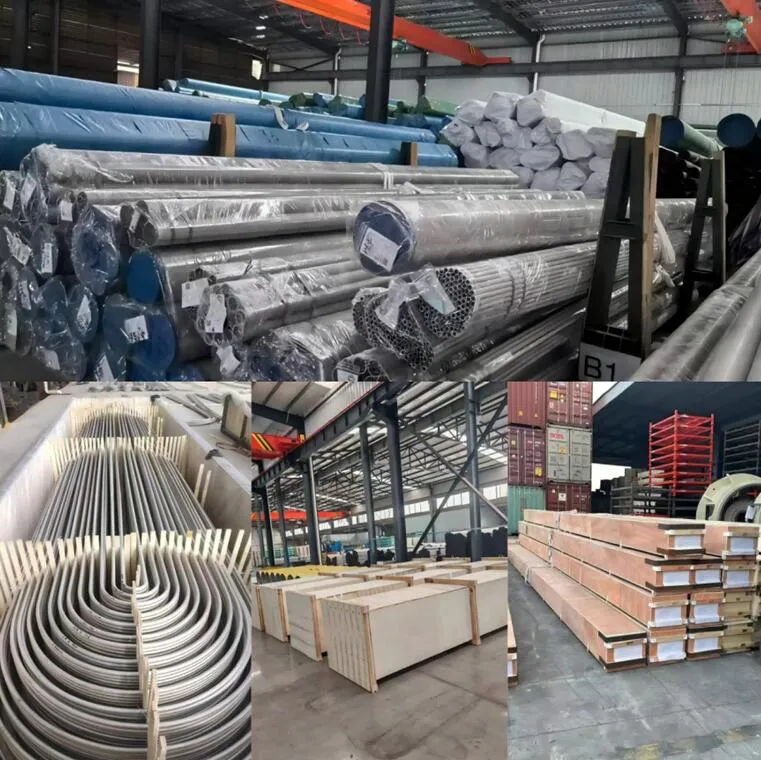
To ensure safe delivery during international transportation, stainless steel pipes are packaged using professional export standards.
Packaging methods include:
Steel Bundles with Protective Caps
Wooden Cases for Small Diameter Pipes
Waterproof Wrapping Materials
Container Loading with Reinforcement
These packaging methods effectively protect the pipes from mechanical damage, moisture exposure, and surface contamination during shipping.
In addition to standard pipe supply, Womic Steel provides customized processing services according to customer project requirements.
Available services include:
Pipe Cutting
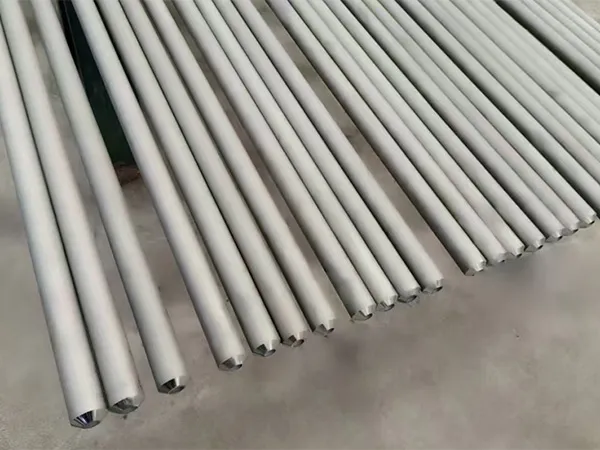
Beveling
Surface Polishing
Threading
Custom Length Production
OEM Manufacturing
These value-added services help customers reduce fabrication time and improve installation efficiency in industrial projects.
309 stainless steel pipe is an important high-temperature resistant alloy widely used in furnace systems, petrochemical plants, and thermal processing equipment. Its high chromium and nickel content provide excellent oxidation resistance, structural stability, and reliable mechanical performance in elevated-temperature environments.
With advanced production technology, strict quality control procedures, and comprehensive supply capabilities, Womic Steel provides high-quality stainless steel pipes that meet international standards and demanding industrial requirements. The company remains committed to delivering reliable piping solutions for global engineering projects across energy, chemical, and metallurgical industries.
As a global supplier of stainless steel piping products, Womic Steel offers comprehensive manufacturing and supply capabilities.
Key advantages include:
1 Advanced stainless steel pipe production equipment
2 Strict quality inspection and testing systems
3 Wide range of pipe sizes and grades
4 Competitive pricing for international projects
5 Reliable delivery schedules and logistics support
With extensive experience supplying stainless steel pipes to international engineering projects, Womic Steel provides reliable piping solutions for customers worldwide.
Customized services. Rapid production. Global reach. We ensure your specific needs are fulfilled with precision and top-tier quality.
Website: www.womicstainless.com
Email:info@womicstainless.com
Tel/WhatsApp/WeChat:Victor: +86-15575100681 or Jack: +86-18390957568