Womic Stainless Steel Co., Ltd

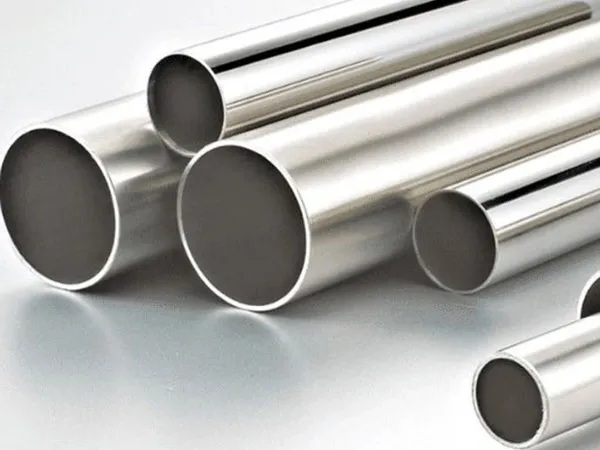
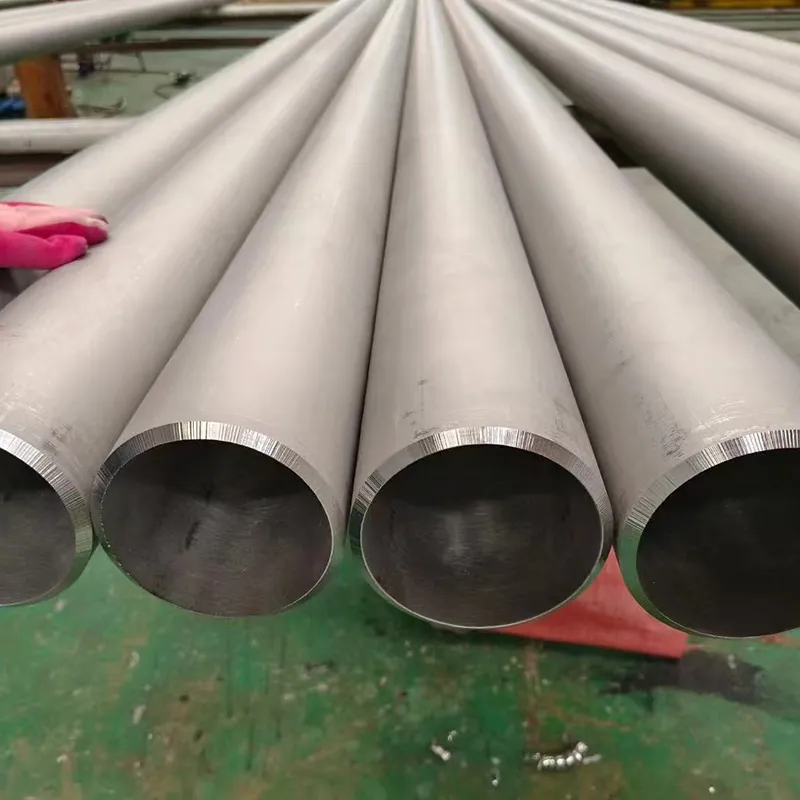
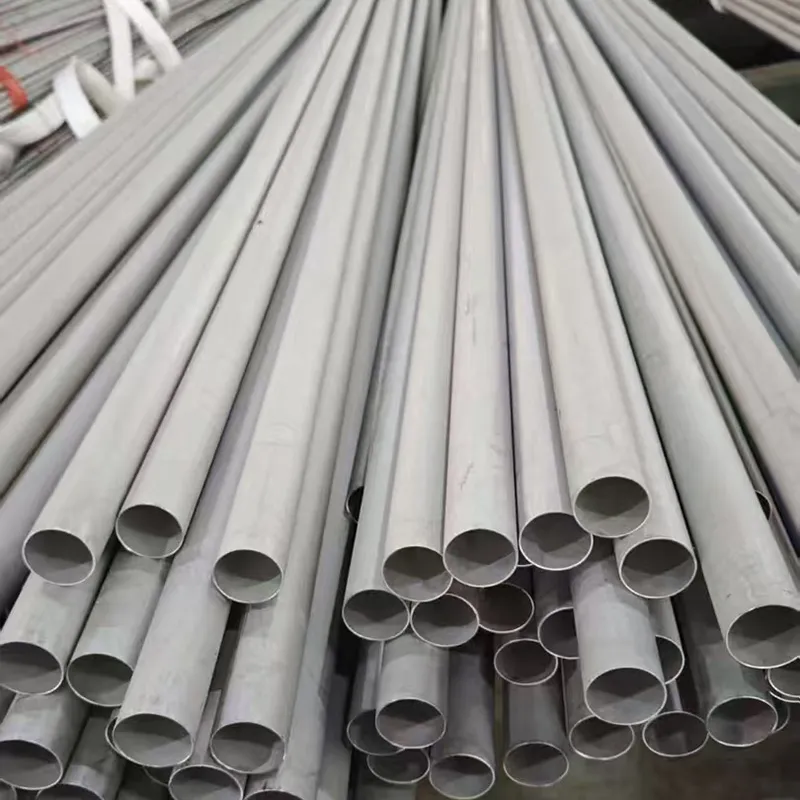
Womic Steel supplies super duplex stainless steel pipe for offshore, seawater, oil & gas, desalination and chemical processing applications requiring high strength and enhanced resistance to severe corrosion.
Super duplex stainless steel pipe is designed for industrial environments where both mechanical strength and corrosion resistance are critical. Compared with standard duplex stainless steels, super duplex grades contain higher levels of alloying elements that improve resistance to localized corrosion in aggressive service environments.
These properties make super duplex stainless steel particularly relevant to offshore engineering, seawater systems, desalination plants, oil & gas facilities and chemical processing equipment.
However, the higher alloy content also increases the importance of manufacturing control. The material must maintain the intended duplex microstructure, and heat treatment, cooling, welding and surface condition can all influence corrosion performance.
For buyers, selecting super duplex pipe therefore requires a detailed understanding of the operating environment. Chloride concentration, temperature, pressure, chemical exposure and mechanical requirements should all be considered before selecting the grade.
Womic Steel supplies super duplex stainless steel pipe for demanding industrial applications according to agreed standards, dimensions, testing and documentation requirements.
Super duplex stainless steel is a highly alloyed duplex stainless steel system combining ferritic and austenitic phases.
The higher alloy content is designed to improve resistance to localized corrosion while retaining the high strength associated with duplex stainless steels.
Typical characteristics include:
A commonly specified super duplex grade is UNS S32760, while other grades may be selected depending on project requirements.
One of the main reasons super duplex stainless steel pipe is selected is its resistance to localized corrosion.
Pitting Corrosion
Pitting is a localized form of corrosion that can penetrate deeply into stainless steel under suitable conditions.
High alloy content, particularly chromium, molybdenum and nitrogen, contributes to improved pitting resistance.
Crevice Corrosion
Crevices can create localized chemical conditions that accelerate corrosion. Super duplex stainless steels can provide improved resistance compared with many conventional grades, although design and operating conditions remain important.
PREN and Material Selection
Pitting Resistance Equivalent Number, commonly referred to as PREN, is often used as a comparative indicator when evaluating stainless steel grades.
A higher PREN generally indicates greater resistance to localized corrosion, but PREN should not be treated as a complete prediction of real-world service performance.
Actual corrosion behavior depends on temperature, chloride concentration, flow conditions, surface condition and other environmental factors.
The performance of super duplex stainless steel depends on maintaining an appropriate ferrite-austenite balance.
Ferrite-Austenite Balance
Both phases contribute to the overall properties of the material. Excessive imbalance can affect toughness, corrosion resistance and mechanical performance.
Heat Treatment
Heat treatment needs to be carefully controlled because unsuitable thermal exposure may promote undesirable phases.
Cooling
Controlled cooling after solution treatment helps maintain the desired duplex microstructure.
Secondary Phases
Certain undesirable phases can form under unsuitable thermal conditions. Their presence may negatively influence corrosion resistance and toughness.
For this reason, super duplex manufacturing requires careful control from forming through heat treatment and final inspection.
Welding is one of the most technically sensitive stages when fabricating super duplex stainless steel.
Heat Input Control
Heat input affects phase transformation in the weld and heat-affected zone. Excessive or insufficient heat input can influence the final microstructure.
Welding Procedure
The welding procedure should be selected according to the material grade and project requirements.
Weld Metal and Heat-Affected Zone
Both the weld metal and HAZ need to maintain suitable metallurgical characteristics.
Post-Weld Treatment
Where required, appropriate cleaning and surface treatment can help restore the desired stainless steel surface condition.
For critical applications, buyers should identify welding procedure, NDT and any supplementary metallurgical requirements before production.
Chemical Composition
Chemical analysis confirms the alloy composition and verifies the specified super duplex grade.
Mechanical Testing
Tensile strength, yield strength and elongation are important because high strength is one of the reasons super duplex is selected.
Dimensional Inspection
OD, wall thickness, length and straightness should be checked according to the applicable specification.
PMI
PMI can help verify alloy identification and reduce material mix-up risks.
Microstructural Examination
Where specified, metallographic examination can provide additional information about the material's phase condition.
NDT and Hydrostatic Testing
Project requirements may call for non-destructive examination and hydrostatic testing to evaluate the integrity of the pipe.
Offshore Oil & Gas
Offshore systems combine chloride exposure with demanding mechanical conditions. Super duplex can be considered for selected piping systems where both strength and corrosion resistance are required.
Seawater Systems
Seawater contains significant chloride levels, making material selection particularly important. Super duplex can be used in suitable seawater-related piping applications.
Desalination
Desalination facilities require materials capable of handling aggressive chloride-containing water and process conditions.
Chemical Processing
Certain chemical environments require higher corrosion resistance than conventional stainless steel can provide.
Petrochemical Facilities
Super duplex can be used in selected process and utility systems where aggressive media and mechanical requirements justify the higher-alloy material.
Surface condition is an important but sometimes overlooked factor in super duplex stainless steel pipe procurement.
Even a highly corrosion-resistant alloy can experience problems if its surface is contaminated, damaged or improperly treated.
Heat Tint Removal
Welding can create oxide layers around the weld area. Appropriate cleaning may be required depending on the service.
Pickling and Passivation
Where specified, pickling and passivation can help restore a suitable stainless steel surface after fabrication.
Handling
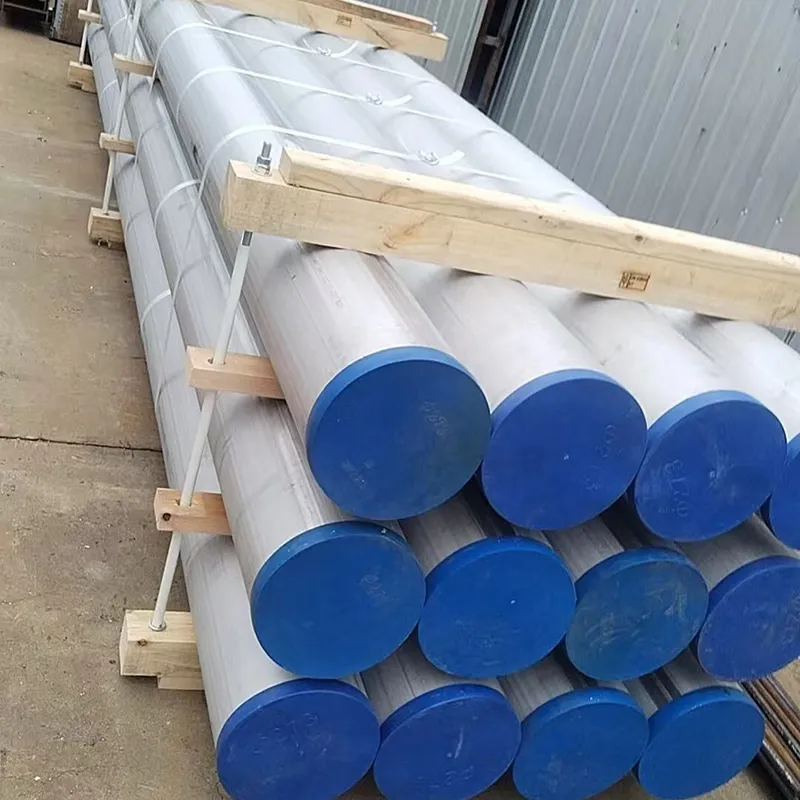
During storage and transportation, stainless steel should be protected from contamination by unsuitable carbon-steel materials or other sources that could damage the surface.
For aggressive service, surface condition should therefore be included in the project specification rather than treated as a cosmetic requirement.
A complete inquiry should ideally identify:
For offshore and seawater projects, the buyer should also provide the operating medium, temperature, pressure and corrosion environment where possible.
Super duplex stainless steel pipe provides a combination of high strength and enhanced resistance to localized corrosion, making it suitable for selected severe-service applications where conventional stainless steels may not provide sufficient performance.
Its advantages, however, depend heavily on metallurgical control. Heat treatment, cooling, welding, surface treatment and inspection must all be managed appropriately to preserve the intended properties of the alloy.
Womic Steel supplies super duplex stainless steel pipe for demanding industrial applications according to agreed material standards, dimensions, testing and documentation requirements.
For a quotation, please provide the grade, OD, wall thickness, length, quantity, applicable standard, testing requirements and delivery term (EXW/FOB/CIF). For CIF orders, please also provide the destination port.