Womic Stainless Steel Co., Ltd

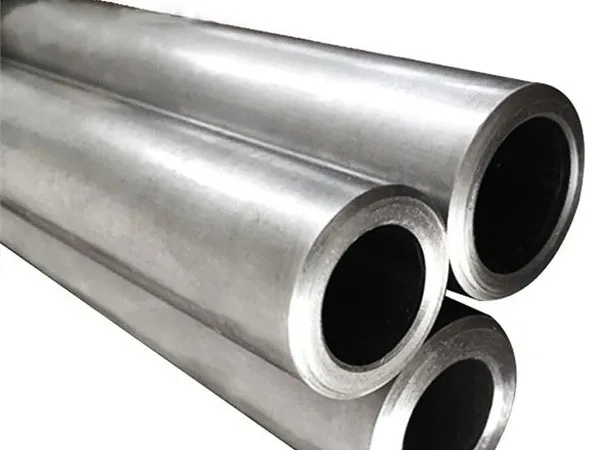
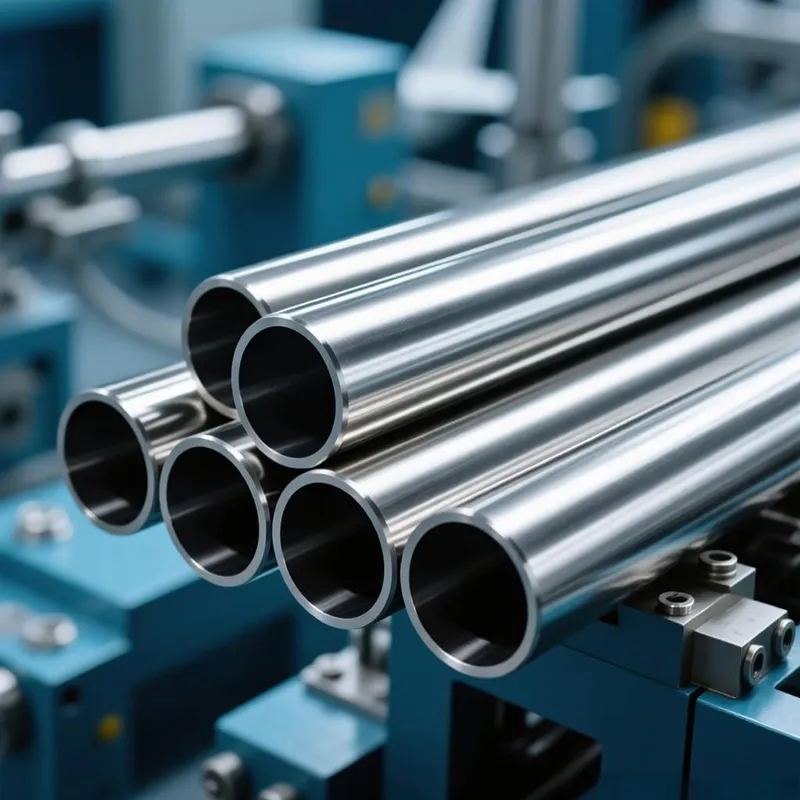
Womic Steel supplies ASTM A358 stainless steel pipe for demanding industrial applications, with attention to welding quality, heat treatment, testing, dimensions and project-specific documentation.
Large-diameter stainless steel piping is widely used in chemical processing, petrochemical plants, power generation and other industrial facilities where corrosion resistance and reliable pipe integrity are required. For these projects, the manufacturing method and welding quality can be just as important as the selected stainless steel grade.
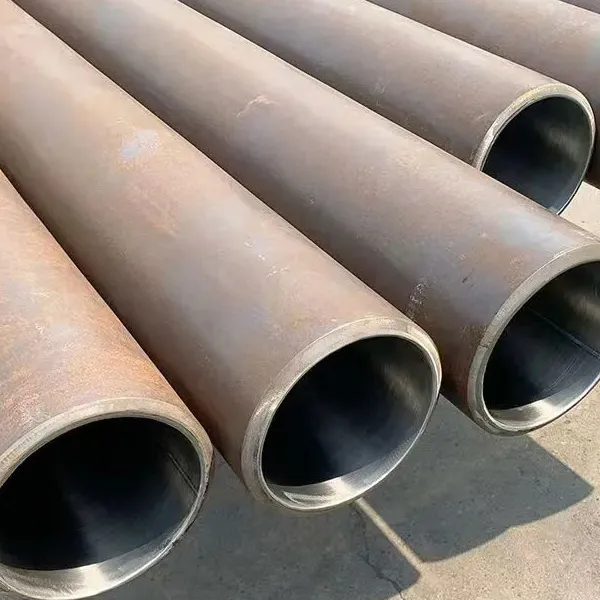
ASTM A358 stainless steel pipe is associated with electric-fusion-welded austenitic chromium-nickel alloy steel pipe intended for corrosive or high-temperature service and other demanding applications. The specification provides requirements that help define the expected quality of the welded pipe and its inspection.
For buyers, ASTM A358 procurement should therefore begin with a complete technical description. Material grade, pipe dimensions, class, welding requirements, heat treatment, testing and documentation can all influence the final product and quotation.
Womic Steel supplies stainless steel pipe for industrial and project applications. When an ASTM A358 stainless steel pipe requirement is received, the technical details should be reviewed together with quantity, inspection requirements and delivery conditions to ensure that the quotation corresponds to the actual project requirement.
ASTM A358 covers electric-fusion-welded austenitic chromium-nickel alloy steel pipe for corrosive or high-temperature service and other general applications.
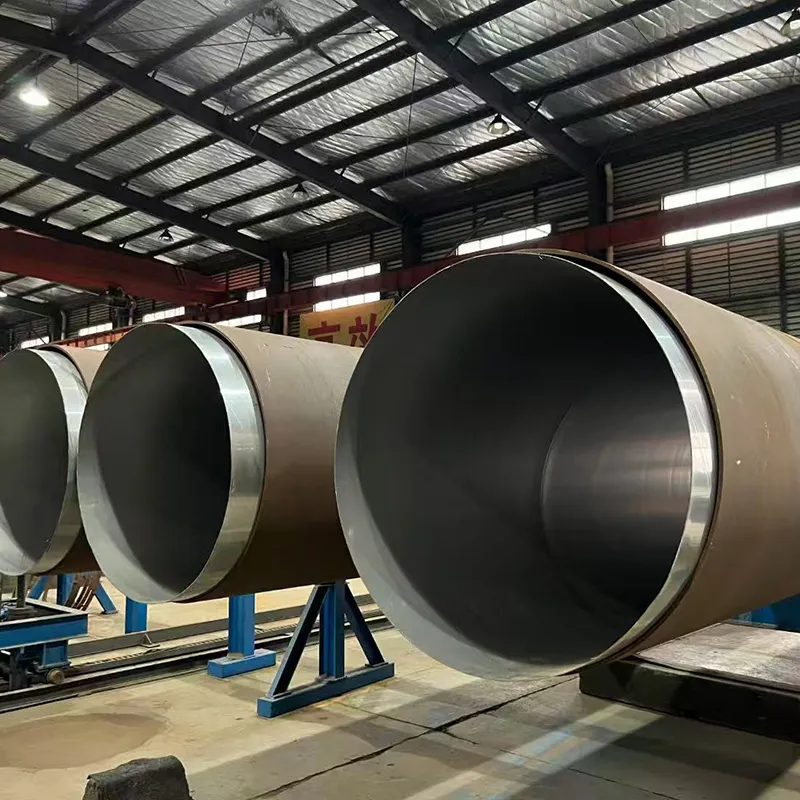
Unlike a seamless pipe specification, ASTM A358 is specifically associated with welded pipe manufacturing. This makes control of the welding process and weld integrity particularly important during production.
A typical ASTM A358 inquiry should identify:
The exact requirements should always be confirmed against the project specification and applicable edition of the standard.
For international purchasing, clearly stating the complete designation helps avoid confusion between ASTM A358 and other stainless steel pipe specifications.
The manufacturing process is one of the most important characteristics of ASTM A358 stainless steel pipe.
Plate Preparation
Welded stainless steel pipe generally starts with suitable stainless steel plate. Before forming, the plate material needs to meet the specified chemical and mechanical requirements.
Material identification and heat-number traceability should be maintained throughout the production process where required by the project.
Pipe Forming
The plate is formed into a cylindrical shape corresponding to the required pipe diameter.
Dimensional control during forming is important because the pipe must ultimately meet the specified outside diameter, wall thickness and dimensional tolerances.
Longitudinal Welding
The formed plate is joined along the longitudinal seam using an electric-fusion welding process.
Welding parameters need to be controlled to achieve a sound and consistent weld. Factors such as welding current, voltage, travel speed, heat input and preparation of the joint can influence weld quality.
For stainless steel pipe, control of the welding process also helps maintain the required corrosion-related performance of the finished product.
Finishing and Sizing
After welding and required heat treatment, the pipe can undergo sizing and finishing operations.
The final pipe should be checked for dimensional conformity, surface condition and other requirements stated in the purchase specification.
Because ASTM A358 stainless steel pipe is welded, the longitudinal seam is a major focus of quality control.
A welded pipe consists of the parent material and a welded region whose metallurgical condition can be influenced by the welding process.
Weld Preparation
Proper preparation of the plate edges helps establish a suitable welding joint.
The preparation method should be consistent with the approved manufacturing procedure and applicable project requirements.
Heat Input Control
Welding introduces localized heat into the stainless steel. Excessive or inappropriate heat input can affect the weld and surrounding heat-affected region.
Controlled welding parameters help maintain consistent production quality.
Weld Inspection
Depending on the ASTM A358 class and project requirements, the welded seam may be subject to specific non-destructive examination.
Additional inspection may also be requested by the purchaser for demanding applications.
For project procurement, the required inspection class should therefore be clarified before production rather than treated as a detail to be determined after manufacturing.
Quality control should cover the material, welding process, dimensions and final product condition.
Chemical Composition
Chemical analysis is used to verify that the stainless steel corresponds to the specified grade.
This is particularly important when different austenitic stainless steel grades are being manufactured or stored within the same facility.
The material certificate should provide the relevant chemical information required by the applicable specification.
Mechanical Testing
Mechanical testing helps verify that the supplied material achieves the specified mechanical properties.
Depending on the applicable requirements, testing can include tensile properties and other specified evaluations.
The results should be recorded and linked to the relevant material identification.
Hydrostatic Testing
Hydrostatic testing can be used to evaluate the pressure integrity of the completed pipe.
The applicable test requirements should be agreed according to the specification and project purchase order.
Non-Destructive Examination
NDT is particularly relevant to welded pipe because the longitudinal seam requires appropriate inspection.
The specific examination method and extent should follow the applicable ASTM A358 requirements and any additional customer specification.
For critical projects, buyers may request additional inspection or third-party verification.
Dimensional accuracy is essential when stainless steel pipe is purchased for fabrication or direct installation.
Outside Diameter and Wall Thickness
The outside diameter and wall thickness need to correspond to the purchase order.
Dimensional inspection can identify deviations before the pipe is shipped to the customer, reducing problems during fabrication and installation.
Length Control
Pipe may be supplied in specified fixed lengths or other agreed length ranges.
For project orders requiring spool fabrication, exact length requirements should be clarified during quotation.
Surface Condition
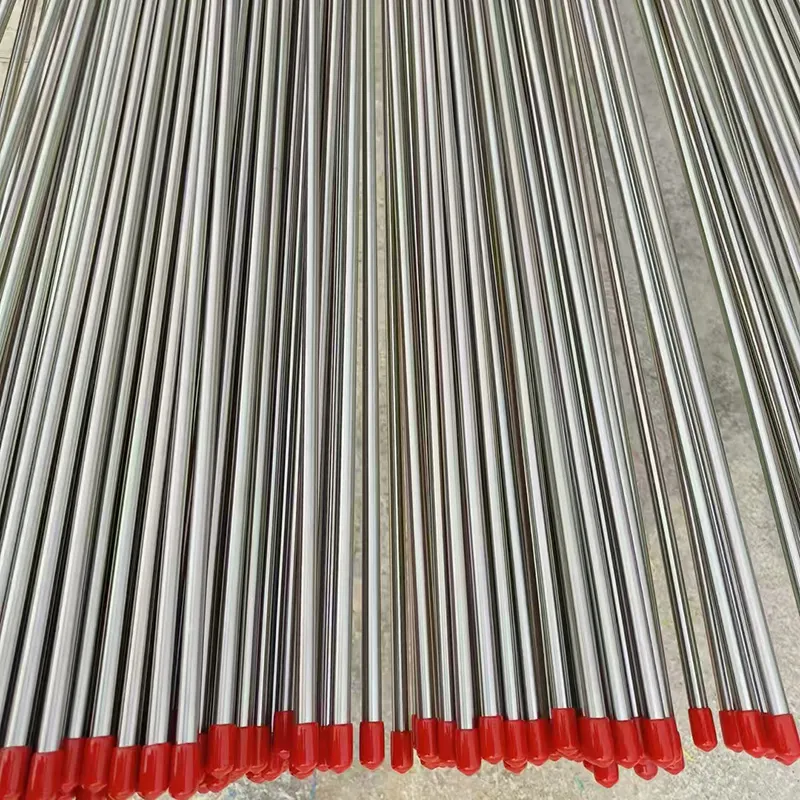
Stainless steel surfaces should be protected against contamination and unnecessary mechanical damage during production, handling and packing.
Depending on the application, customers may specify particular surface-finishing or cleaning requirements.
Product Marking
Clear product marking supports traceability.
Marking may include information such as:
The exact marking requirements should follow the purchase specification.
For industrial projects, documentation is an important part of ASTM A358 stainless steel pipe procurement.
A project documentation package may include:
Material Test Certificates
The Material Test Certificate provides evidence of the material properties and test results associated with the supplied pipe.
Heat-number traceability is particularly useful because it connects the physical product with its manufacturing and inspection records.
Inspection Documentation
Some industrial projects require customer inspection or independent third-party inspection.
These requirements should be communicated before production so that inspection points, testing scope and documentation can be incorporated into the manufacturing plan.
Womic Steel can coordinate the agreed inspection and documentation requirements for the order.
ASTM A358 stainless steel pipe is relevant to applications requiring welded austenitic stainless steel pipe with corrosion resistance and suitable performance at demanding service conditions.
Chemical Processing
Chemical plants often use stainless steel piping where process fluids may create corrosive conditions.
The appropriate stainless steel grade should be selected according to the actual chemical medium and operating temperature.
Petrochemical
Petrochemical facilities use extensive process piping, and material selection can be critical where corrosion and elevated temperatures are involved.
ASTM A358 pipe may be specified for suitable systems according to the project engineering requirements.
Oil & Gas
Oil and gas processing systems can involve aggressive fluids and demanding operating conditions. Stainless steel welded pipe may be considered where its material properties meet the application requirements.
Power Generation
Power plants contain piping systems operating under different combinations of temperature, pressure and chemical exposure.
The specified stainless steel grade and ASTM A358 requirements should be matched with the actual service conditions.
Industrial Processing
General industrial facilities may also use ASTM A358 stainless steel pipe for tanks, process systems and connecting piping where welded stainless steel construction is appropriate.
A complete inquiry should ideally identify:
Buyers should also provide the application and project status when possible. This allows the supplier to understand whether the material is intended for chemical processing, petrochemical service, power generation or another industrial application.
For larger orders, it is useful to confirm whether the customer has an approved manufacturer list, requires third-party inspection or needs specific certification before production.
Womic Steel can review the ASTM A358 stainless steel pipe specification, size, quantity and inspection requirements and prepare a quotation according to the agreed technical and commercial conditions.
ASTM A358 stainless steel pipe provides a specification framework for electric-fusion-welded austenitic stainless steel pipe used in demanding industrial environments. Because the product is welded, control of plate material, forming, longitudinal welding, heat treatment, NDT and final inspection is particularly important.
For buyers, a complete inquiry should clearly identify the material grade, dimensions, ASTM A358 class, quantity, testing, documentation and delivery requirements. This gives the supplier the information needed to evaluate the requirement accurately.
Womic Steel supplies stainless steel pipe for industrial and project applications and can review ASTM A358 stainless steel pipe requirements according to the customer's technical specification. Send us your required grade, size, wall thickness and quantity, and we can check the suitable supply option and quotation for your project.