Womic Stainless Steel Co., Ltd

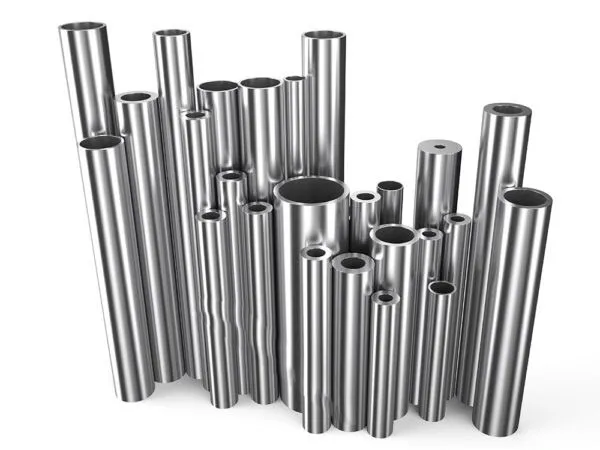
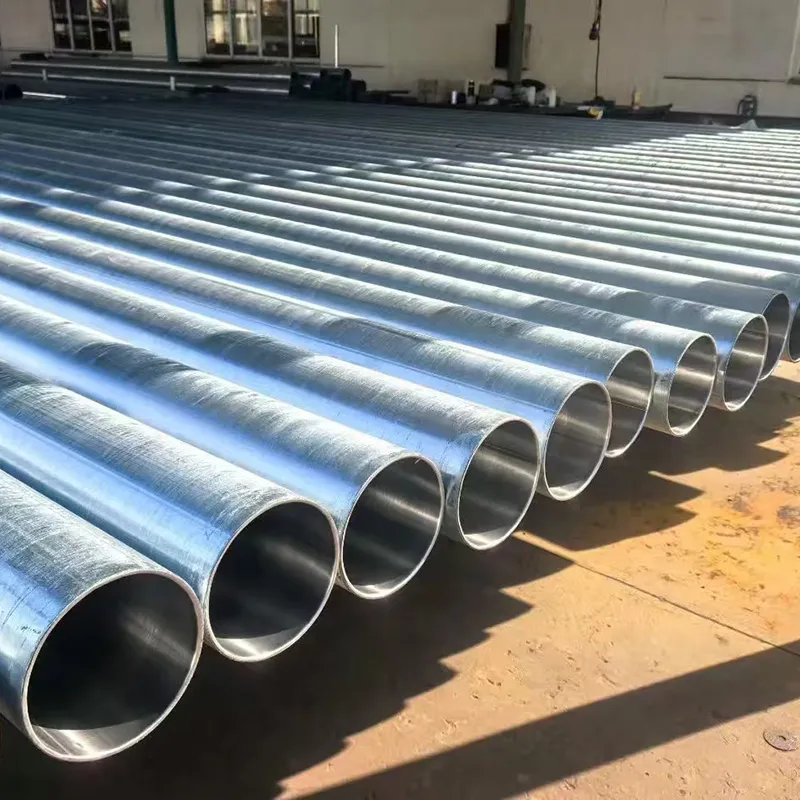
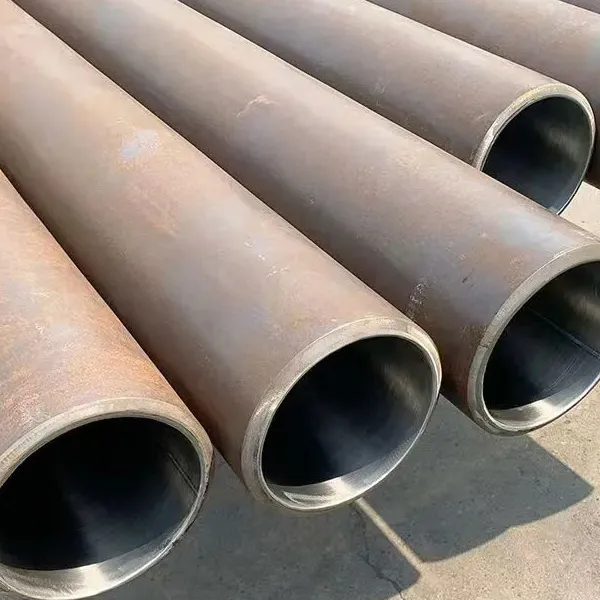
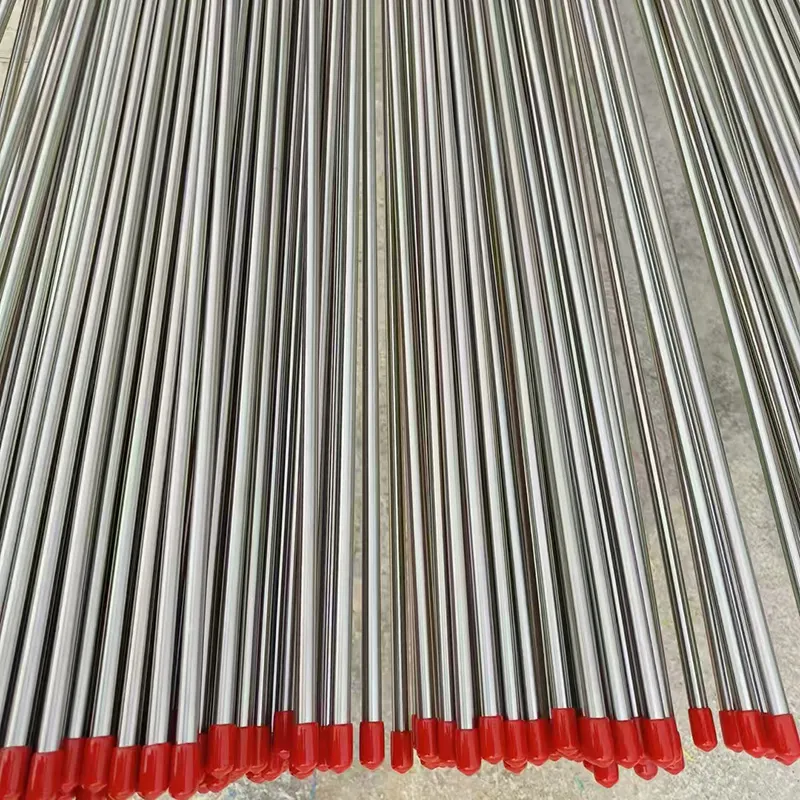
Womic Steel supplies UNS S32205 pipe in seamless and welded configurations for oil & gas, chemical processing, marine, water treatment and industrial applications requiring duplex stainless steel performance.
UNS S32205 pipe is a duplex stainless steel piping material identified by the Unified Numbering System designation S32205. It is widely associated with the 2205 duplex stainless steel family and is used where a combination of corrosion resistance and higher mechanical strength is required.
The material contains both ferritic and austenitic phases. This duplex structure gives S32205 a different performance profile from conventional austenitic stainless steels such as 304L and 316L.
One of the important reasons for selecting UNS S32205 pipe is its balance between corrosion resistance and mechanical strength. The material can provide useful resistance to pitting, crevice corrosion and chloride-related stress corrosion cracking in suitable service environments.
However, the designation UNS S32205 should not be considered a complete purchasing specification by itself. Pipe size, wall thickness, manufacturing method, applicable standard, heat treatment, testing and certification requirements should also be clearly defined.
Womic Steel supplies UNS S32205 pipe in seamless and welded configurations according to agreed project specifications and quality requirements.
UNS S32205 is a duplex stainless steel grade belonging to the ferritic-austenitic stainless steel family.
The material was developed to combine properties from both major stainless steel structures.
Its important characteristics include:
UNS S32205 is commonly associated with 2205 duplex stainless steel, although the exact material requirements should always be confirmed against the applicable product specification.
For procurement purposes, the complete specification is more important than the commercial grade name alone.
The terms “2205” and “UNS S32205” are frequently encountered together in duplex stainless steel procurement.
2205 Grade Family
2205 is the commonly used commercial designation for a duplex stainless steel with a nominal composition based around chromium, nickel, molybdenum and nitrogen.
It is widely used in industrial applications requiring improved strength and corrosion resistance.
UNS S32205
UNS S32205 is a specific designation within the Unified Numbering System.
Using the UNS designation in an inquiry provides a more precise material reference and can help reduce confusion when a project contains multiple duplex or stainless steel grades.
Why Exact Identification Matters
A project may specify a particular standard, grade and testing regime.
Therefore, buyers should avoid relying solely on terms such as “duplex 2205” when the purchase documentation requires a specific UNS designation.
The material certificate and product marking should be traceable to the specified grade.
The two-phase structure is fundamental to the performance of UNS S32205 pipe.
Ferrite
The ferritic phase contributes to the material's mechanical strength and resistance to chloride-related stress corrosion cracking.
Maintaining the appropriate amount of ferrite is important for achieving the intended properties.
Austenite
The austenitic phase contributes to toughness, ductility and corrosion resistance.
An appropriate proportion of austenite is therefore necessary for a balanced duplex structure.
Phase Balance
The final microstructure depends on chemical composition, hot working and heat treatment.
Incorrect thermal processing can disturb the ferrite-austenite balance and potentially affect the corrosion and mechanical properties of the finished pipe.
Corrosion resistance is one of the principal reasons why UNS S32205 pipe is selected for industrial applications.
Pitting Corrosion
Pitting corrosion can occur when localized breakdown of the passive surface takes place.
The chromium, molybdenum and nitrogen content of S32205 contributes to improved resistance to pitting compared with many conventional stainless steel grades.
Crevice Corrosion
Crevice corrosion can occur in restricted areas where the local environment differs from the surrounding process fluid.
Flange connections, gasket interfaces, deposits and narrow gaps can create potential crevice locations.
Proper material selection and piping-system design should therefore be considered together.
Chloride Stress Corrosion Cracking
UNS S32205 provides useful resistance to chloride-induced stress corrosion cracking compared with many conventional austenitic stainless steels.
This characteristic makes it relevant to selected offshore, marine and process applications.
However, actual performance depends on chloride concentration, temperature, stress conditions and other environmental factors.
UNS S32205 pipe can be supplied in seamless or welded configurations depending on the applicable specification and project requirements.
Seamless UNS S32205 Pipe
Seamless pipe is normally produced from a solid stainless steel billet.
The billet is heated and pierced to form a hollow section, followed by hot working, sizing and finishing operations.
Because duplex stainless steel is sensitive to thermal history, production temperatures and subsequent heat treatment require appropriate control.
Welded UNS S32205 Pipe
Welded pipe is produced by forming stainless steel plate or strip into a tubular section and joining the edges through a controlled welding process.
The welding procedure should control heat input and cooling conditions to maintain suitable metallurgical characteristics.
Sizing and Finishing
After forming and heat treatment, pipe dimensions are checked against the applicable requirements.
Surface treatment can include cleaning, pickling or other specified finishing processes.
Heat treatment is particularly important for duplex stainless steel because the material's properties depend on its two-phase microstructure.
Solution Treatment
Solution heat treatment is used to establish the required metallurgical condition and reduce the possibility of undesirable precipitation.
The exact treatment requirements should follow the applicable product standard.
Cooling Rate
Cooling after solution treatment needs to be appropriately controlled.
Unsuitable cooling can affect the ferrite-austenite balance and may encourage undesirable phase formation.
Welding Thermal Cycles
Thermal control does not end with pipe manufacturing.
During welding and fabrication, localized heating can change the microstructure in the weld and heat-affected zone.
Therefore, welding procedures should be developed with the duplex structure in mind.
A comprehensive inspection program should cover material chemistry, mechanical properties, dimensions and metallurgical condition.
Chemical Composition
Chemical analysis verifies that the material meets the specified grade requirements.
Chromium, nickel, molybdenum and nitrogen are important alloying elements in S32205.
Mechanical Testing
Depending on the applicable specification, testing may include:
The results should be traceable to the relevant material heat.
Dimensional Inspection
Dimensional checks may include:
These measurements help ensure compatibility with fittings, flanges and fabricated piping systems.
PMI Verification
Positive Material Identification can provide an additional check of alloy identity.
It can be particularly useful when a project contains several stainless steel grades.
Hydrostatic and NDT
Hydrostatic testing and non-destructive testing may be required according to the product specification or project requirements.
The applicable test method and acceptance criteria should be established before production.
UNS S32205 pipe is used in a variety of industrial applications where duplex stainless steel properties are required.
Oil & Gas
Oil & gas facilities may use S32205 in selected process, utility and piping systems.
The material can be considered where mechanical strength and resistance to chloride-related corrosion are both important.
Chemical Processing
Chemical plants may use duplex stainless steel piping for selected process fluids.
Material selection should be based on the chemical composition, concentration, temperature and pressure of the actual service.
Marine Engineering
Marine environments can expose piping to seawater and chloride-containing conditions.
S32205 can be considered for appropriate marine systems where its corrosion resistance and strength meet the design requirements.
Water Treatment
Water-treatment facilities may contain chloride-containing water and other corrosive fluids.
S32205 can provide a material option for suitable systems based on the actual water chemistry.
Industrial Equipment
The material can also be used in selected tanks, process equipment and piping systems where higher strength and corrosion resistance are required.
A complete inquiry should ideally identify:
For critical projects, buyers should also provide the service medium, design temperature, pressure and corrosion environment where available. These details help ensure that the specified UNS S32205 pipe is evaluated against the actual operating conditions.
UNS S32205 pipe is a duplex stainless steel piping material identified by a specific Unified Numbering System designation and commonly associated with the 2205 duplex stainless steel grade family.
Its ferritic-austenitic microstructure provides a combination of mechanical strength and corrosion resistance, while chromium, molybdenum and nitrogen contribute to resistance against localized corrosion in suitable environments.
The performance of UNS S32205 pipe depends on proper control throughout the manufacturing process. Chemical composition, solution heat treatment, cooling, phase balance, welding and inspection all need to be considered when supplying the material for demanding industrial applications.
Womic Steel supplies UNS S32205 pipe in seamless and welded configurations according to agreed material standards, dimensions, testing and documentation requirements.
For a quotation, customers can provide the pipe size, wall thickness, length, quantity, applicable standard, testing requirements and delivery term (EXW/FOB/CIF). For CIF pricing, please provide the destination port.