Womic Stainless Steel Co., Ltd

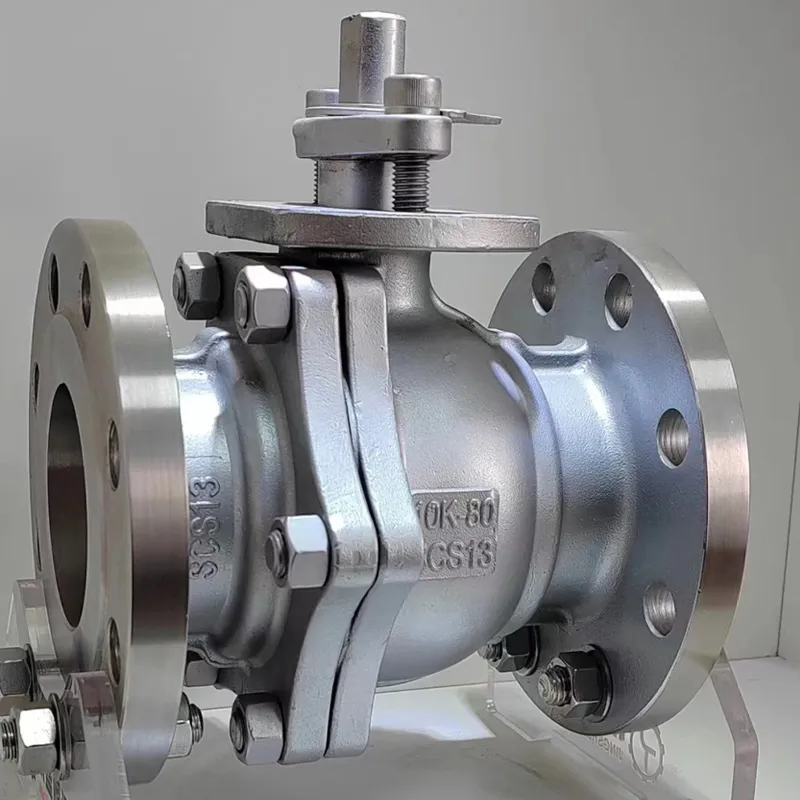
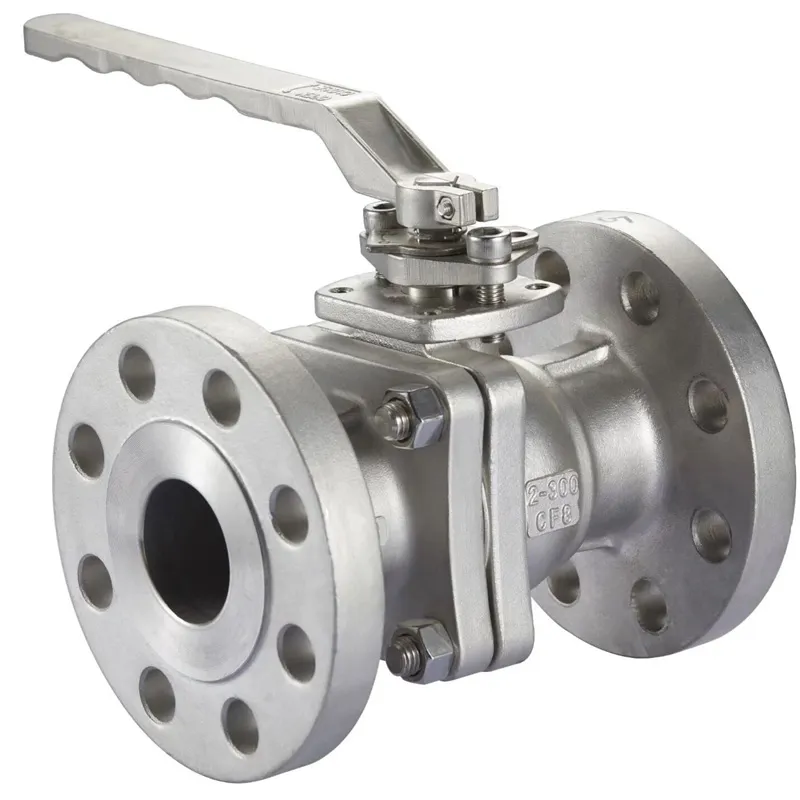
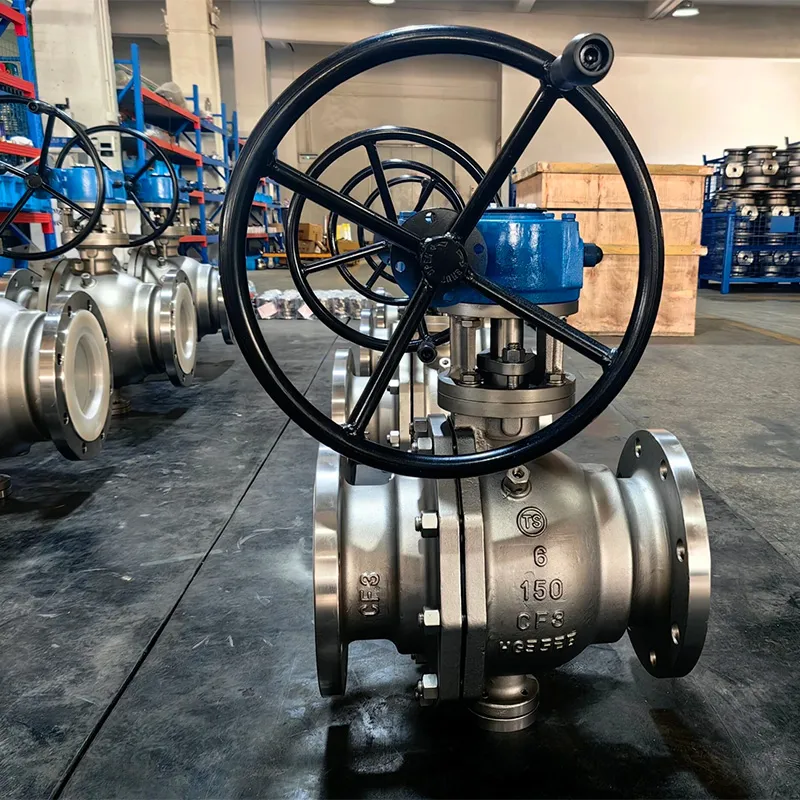
Universal Corrosion Resistance: Resists both reducing and oxidizing acids, wet chlorine, chlorides, hypochlorite, and mixed acids – the most versatile corrosion-resistant alloy for valve applications.
Highest Pitting Resistance (PRE ≥ 65): Outstanding pitting and crevice corrosion resistance, the highest among all commercial valve materials, with PREN calculated as %Cr + 3.3 × (%Mo + 0.5 × %W) + 16 × %N ≥ 65.
No Sensitization: Extremely low carbon content (≤0.010%) plus Mo/W content prevents carbide precipitation – can be used as-welded without post-weld heat treatment.
Excellent Resistance to Wet Chlorine and Hypochlorite: Premier material for handling wet chlorine gas, chlorine dioxide, and hypochlorite solutions, where most other alloys fail rapidly.
Superior Hydrochloric Acid Resistance: Excellent performance in hydrochloric acid (HCl) across all concentrations and temperatures up to 400°C (752°F).
NACE MR0175 / ISO 15156 Compliant: Fully qualified for sour service with the highest allowable H₂S partial pressures and lowest pH values, documented HIC and SSC test reports available.
Excellent Resistance to Mixed Acids: Outstanding performance in mixed acid environments (HNO₃/HCl, H₂SO₄/HCl) where other alloys experience rapid attack.
Fire-Safe Design: Available with fire-safe certification (API 607/ISO 10497) for critical chemical applications.
Anti-Static Device: Optional anti-static design to prevent static electricity accumulation across the valve.
Blow-Out Proof Stem: Stem design prevents accidental blow-out under pressure, ensuring operator safety.
Multiple End Connections: Flanged (ASME B16.5), threaded (NPT/BSP), socket weld (SW), and butt weld (BW).
Full Range of Types: Trunnion mounted (2″–16″), floating ball (1/2″–8″), three-piece (1/2″–6″), top entry (2″–12″).
Pressure Ratings: Available in Class 150, 300, 600, 900, and 1500 (PN16 to PN260).
Temperature Range: Suitable for -196°C to 400°C (-321°F to 752°F) depending on seat material.
International Certifications: Valves can be certified by ABS, BV, DNV, LR, GL, RINA, CCS, KR, and NK, and comply with API 607, API 6D, ASME B16.34, NACE MR0175, and NORSOK M-650 standards.
|
Standard |
Description |
Corresponding Hastelloy C276 Grade |
|
ASME B16.34 |
Valve dimensions and pressure-temperature ratings |
UNS N10276 |
|
API 6D |
Pipeline valves |
UNS N10276 |
|
API 607 / ISO 10497 |
Fire-safe testing |
UNS N10276 |
|
ISO 17292 |
Metal ball valves for petroleum, petrochemical |
UNS N10276 |
|
NACE MR0175 / ISO 15156 |
Sour service compliance (highest allowable limits) |
Hastelloy C276 |
|
NORSOK M-650 |
Offshore material qualification |
Hastelloy C276 |
|
EN 12516 |
European valve standards |
2.4819 |
|
GB/T 12237 |
Chinese national standard ball valves |
NS C276 |
|
Component |
Standard Material |
Optional Material |
|
Valve Body |
Hastelloy C276 (UNS N10276) |
Cast equivalent |
|
Ball |
Hastelloy C276 (Hard Chrome Plated) |
Tungsten Carbide Coated |
|
Stem |
Hastelloy C276 |
Inconel 718, Monel K-500 |
|
Seat |
PTFE (Standard for HCl) |
PEEK, RTFE, Devlon, Metal Seated |
|
Seals |
PTFE + Graphite |
Grafoil, PEEK |
|
Gasket |
Spiral Wound (C276/Graphite) |
PTFE |
|
Bolting |
Hastelloy C276 / Alloy 625 |
Inconel 718 |
|
Trunnion Bearings |
PTFE / Bronze |
PEEK |
|
Packing |
Grafoil (Graphite) |
PTFE + Graphite |
|
Handle |
Hastelloy C276 / 316 Stainless |
316 Stainless with locking device |
|
Gear Operator |
Carbon Steel with C276 coating |
Hastelloy C276, Bevel Gear |
|
Property |
Unit |
Hastelloy C276 (Annealed) |
|
Tensile Strength |
MPa |
≥690 |
|
Yield Strength (0.2% offset) |
MPa |
≥310 |
|
Elongation |
% |
≥40 |
|
Hardness (Brinell) |
HBW |
≤250 |
|
Density |
g/cm³ |
8.89 |
|
Melting Range |
°C |
1320–1370 |
|
Thermal Conductivity (20°C) |
W/m·K |
10.2 |
|
Coefficient of Thermal Expansion (20–100°C) |
μm/m·K |
11.2 |
|
Modulus of Elasticity (20°C) |
GPa |
205 |
High-Temperature Tensile Properties (Typical Values):
|
Temperature (°C) |
Tensile Strength (MPa) |
Yield Strength (MPa) |
|
20 |
750–850 |
350–450 |
|
100 |
720–820 |
330–420 |
|
200 |
700–800 |
320–410 |
|
300 |
680–780 |
310–400 |
|
400 |
650–750 |
300–380 |
|
500 |
600–700 |
280–350 |
|
540 |
550–650 |
250–320 |
NACE MR0175 / ISO 15156 Compliance:
Hastelloy C276 is fully qualified for sour service applications up to the
highest limits specified in NACE MR0175/ISO 15156 for nickel-based alloys. The
alloy exhibits exceptional resistance to sulfide stress cracking (SSC) and
hydrogen induced cracking (HIC) in H₂S-containing environments, even at high
H₂S partial pressures and low pH levels. Maximum sour service temperature:
232°C (450°F).
Maximum Recommended Service Temperatures:
|
Service Type |
Maximum Temperature |
|
Continuous Service (Corrosive Environment – HCl, Wet Chlorine) |
400°C (752°F) |
|
Continuous Service (Non-Corrosive Environment) |
540°C (1000°F) |
|
Sour Service (NACE MR0175) |
232°C (450°F) |
|
Seawater Service |
50°C (122°F) |
|
Minimum Service Temperature |
-196°C (-321°F) |
Critical Note: Hastelloy C276 must be water quenched after solution annealing. Air cooling may result in precipitation of intermetallic phases (mu phase, P phase) that can reduce corrosion resistance. The extremely low carbon content (≤0.010%) ensures that sensitization is not a concern. Unlike many stainless steels, C276 can be used in the as-welded condition without any risk of intergranular attack.
Heat Treatment Condition:
All Hastelloy C276 ball valves are manufactured from solution annealed material
(1120–1175°C followed by immediate
water quenching). This heat treatment dissolves precipitated
carbides and intermetallic phases, relieves internal stresses from forging,
restores optimum corrosion resistance and ductility, and ensures the alloy's
exceptional resistance to corrosive attack.
Delivery Condition: Valve body components supplied in annealed and pickled condition. Final assembly, testing, and painting completed before shipment.
|
Class |
100°F (psig) |
200°F (psig) |
300°F (psig) |
400°F (psig) |
500°F (psig) |
|
150 |
275 |
230 |
200 |
175 |
160 |
|
300 |
720 |
600 |
520 |
460 |
420 |
|
600 |
1440 |
1200 |
1040 |
920 |
840 |
|
900 |
2160 |
1800 |
1560 |
1380 |
1260 |
|
1500 |
3600 |
3000 |
2600 |
2300 |
2100 |
Reference: Based on ASME B16.34 for nickel alloys. For concentrated HCl or wet chlorine service at elevated temperatures, pressure ratings may require additional derating; consult project specifications.
|
Valve Type |
Size Range |
Connection |
Pressure Class |
Typical Chemical Applications |
|
Trunnion Mounted |
2″ – 16″ (DN50 – DN400) |
Flanged, RTJ |
Class 150-1500 |
HCl pipelines, FGD reheaters |
|
Floating Ball |
1/2″ – 8″ (DN15 – DN200) |
Flanged, Threaded |
Class 150-600 |
General chemical isolation |
|
Three-Piece |
1/2″ – 6″ (DN15 – DN150) |
Threaded, SW |
1000-3000 WOG |
Instrument lines, small bore |
|
Top Entry |
2″ – 12″ (DN50 – DN300) |
Flanged |
Class 150-900 |
In-line maintenance, severe service |
|
Full Port |
1/2″ – 8″ (DN15 – DN200) |
Flanged, Threaded |
Class 150-600 |
Minimal pressure drop |
|
Multi-Port (3-Way) |
1″ – 6″ (DN25 – DN150) |
Flanged, Threaded |
Class 150 |
Diverter, mixing for acids |
|
Seat Material |
Temperature Range |
Pressure Range |
Applications |
|
PTFE (Virgin) |
-55°C to 180°C |
Full rated |
General HCl service, low torque |
|
RTFE (PTFE + Glass) |
-55°C to 200°C |
Full rated |
Wear resistance for high cycle |
|
PEEK |
-46°C to 250°C |
Up to 6000 psi |
High temperature, high pressure, sour service |
|
Devlon (PCTFE) |
-196°C to 150°C |
Full rated |
Cryogenic valves (-196°C) |
|
Metal Seated (Stellite) |
-196°C to 600°C |
Full rated |
Severe service, abrasives, high temperature |
Packing Materials for Hastelloy C276 Ball Valves:
|
Packing Material |
Temperature Range |
Applications |
|
Grafoil (Graphite) |
-200°C to 600°C |
High temperature, steam, sour service, HCl |
|
PTFE + Graphite |
-55°C to 260°C |
Lower friction, general chemical |
|
PEEK Packing |
-46°C to 250°C |
High pressure, sour service |
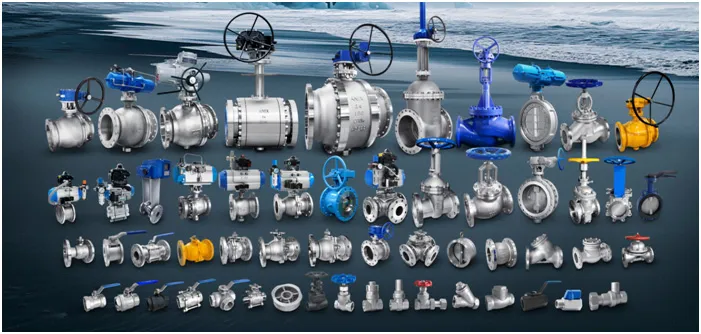
Secondary Metal-to-Metal Seats: After PTFE/PEEK seat burnout, secondary metal seats provide shut-off.
Graphite Stem Seals: Fire-resistant stem packing (Grafoil) for emergency sealing.
Anti-Static Device: Spring-loaded plunger ensures electrical continuity between ball and body.
Blow-Out Proof Stem: Stem retention design prevents accidental ejection under extreme pressure.
|
Actuator Type |
Size Range |
Operation |
Applications |
|
Manual Lever Handle |
1/2″ – 4″ |
Quarter-turn |
Local manual operation, with locking |
|
Gear Operator |
4″ and above |
Quarter-turn |
High torque, large valves |
|
Pneumatic Actuator |
1/2″ – 16″ |
Double acting or Spring return |
Remote, ESD, automation |
|
Electric Actuator |
1/2″ – 16″ |
On-off or modulating |
Remote, PLC control for chemical plants |
|
Hydraulic Actuator |
2″ – 16″ |
Hydraulic |
Subsea or hazardous locations |
|
Parameter |
Trunnion Ball Valve |
Floating Ball Valve |
Three-Piece Ball Valve |
|
Size Range (NPS) |
2″ – 16″ |
1/2″ – 8″ |
1/2″ – 6″ |
|
Pressure Class |
150 – 1500 |
150 – 600 |
1000-3000 WOG |
|
End Connections |
Flanged, RTJ |
Flanged, Threaded, SW |
Threaded, NPT, BSP, SW |
|
Face-to-Face |
API 6D |
ASME B16.10 |
MSS SP-110 |
|
Flange Drilling |
ASME B16.5 |
ASME B16.5 |
N/A |
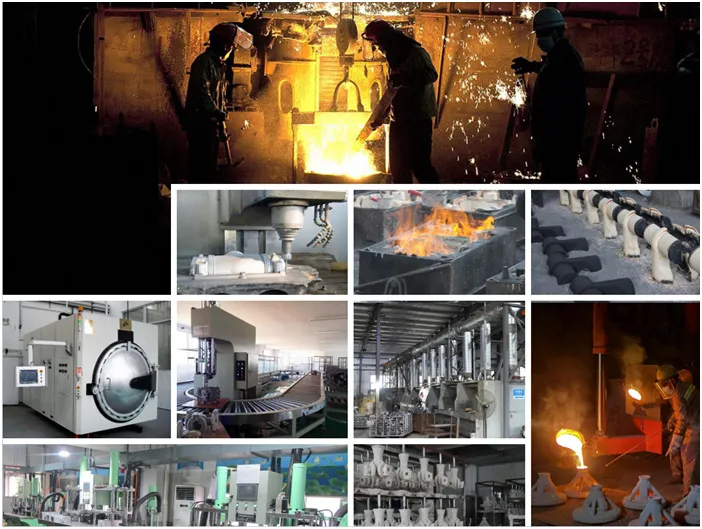
Raw Material Selection: High-quality Hastelloy C276 (UNS N10276) nickel alloy from certified premium mills (Haynes International, VDM Metals, Special Metals) with certified chemical composition (Ni ≥57%, Cr 14.5-16.5%, Mo 15-17%, W 3-4.5% verification) and traceability.
Forging/Casting: Valve body forged (preferred for high pressure) or cast with strict temperature control to prevent intermetallic phase formation.
Heat Treatment – Solution Annealing: Solution annealing at 1120–1175°C followed by immediate water quenching (<30 seconds delay). This is the most critical step in C276 valve manufacturing.
Machining: CNC lathes and machining centers produce precise dimensions with specialized tooling for high-molybdenum nickel alloy C276.
Ball Machining & Polishing: Ball machined and polished to mirror finish (Ra ≤ 0.2μm) for bubble-tight shut-off.
Seat Machining: PTFE, PEEK, or Devlon seats machined to precise dimensions.
Hardness Control: For NACE compliance, hardness verified as required.
Assembly: Ball, seats, stem, trunnion bearings, and body assembled in clean environment.
Testing: Hydrostatic shell test (1.5×), high-pressure seat test (1.1×), low-pressure air seat test (bubble-tight), NACE hardness verification.
Marking: Laser engraved with size, pressure, material, heat number, API 6D, NACE MR0175, heat treatment condition, and fire-safe markings.
Coating: External coating (epoxy or PTFE) for corrosion protection.
|
Surface Finish |
Description |
Roughness (μinch) |
Typical Application |
|
Raised Face (RF) |
Standard serrated finish for flanges |
125–250 |
General chemical service |
|
Ring Type Joint (RTJ) |
Grooved for oval/octagonal ring gasket |
63 max |
High-pressure HCl service |
|
Lever Handle |
Standard manual handle |
N/A |
General isolation |
|
Gear Operator |
Handwheel or chain wheel |
N/A |
Large valves, high torque |
|
Locking Device |
Padlockable handle |
N/A |
Safety isolation |
|
Extended Stem |
For cold service or buried valves |
N/A |
Cryogenic, buried service |
|
Electropolished |
Ultra-smooth surface for ball |
≤20 μm |
High-purity pharmaceutical |
Each Hastelloy C276 ball valve is inspected for surface finish, concentricity, and absence of defects.
Pressure Testing: 100% hydrostatic shell test (1.5× rated pressure), high-pressure seat test (1.1× rated pressure), low-pressure air seat test (80 psi, zero detectable leakage for soft seat).
Material Verification: PMI 100% for body, ball, and stem – verification of Ni (≥57%), Cr (14.5-16.5%), Mo (15-17%), W (3-4.5%).
Intergranular Corrosion Test: ASTM G28 Method A – validates resistance to intergranular corrosion (mandatory for C276).
Pitting Corrosion Test: ASTM G48 Method A – ferric chloride pitting test (upon request).
Dimensional Inspection: Full dimensional check per ASME B16.34.
Leakage Testing: API 598 / ISO 5208 – Rate A (zero detectable leakage).
Fire-Safe Testing: API 607 / ISO 10497 (upon request).Hardness Testing: Brinell or Rockwell C – per NACE requirements.
Sour Service Qualification (upon request): HIC per NACE TM0284, SSC per NACE TM0177.
NACE MR0175 / ISO 15156 Compliance: Full documentation with optional HIC/SSC test reports.
Third-Party Inspection: SGS, BV, DNV, TUV, LR, or ABS on customer request.
Chemical Processing (Extreme Acid Service): Hydrochloric acid (HCl) piping isolation valves – all concentrations and temperatures, sulfuric acid (H₂SO₄) coolers, mixed acid (HNO₃/HCl, H₂SO₄/HCl) process valves, acetic acid reactor isolation, chlor-alkali heat exchanger valves, vinyl chloride monomer (VCM) processing valves.
Wet Chlorine & Hypochlorite Service: Chlorine gas drying system isolation valves, chlorine dioxide heat exchanger valves, hypochlorite cooler valves, chlorinated hydrocarbon processing valves, bleaching chemical system isolation valves, pulp & paper bleach plant valves.
Pharmaceutical (High-Purity Aggressive): High-purity API reactor isolation valves, sterile aggressive chemical transfer valves, clean steam system valves for corrosive services, high-purity HCl handling valves.
Flue Gas Desulfurization (FGD): Reheater isolation valves, gas-gas heater (GGH) valves, slurry heat exchanger valves, absorber tower isolation valves, quench nozzle valves – in high-chloride, low-pH, high-temperature zones.
Oil & Gas (Severe Sour Service): Sour gas pipeline block valves with extreme H₂S partial pressure, high-pressure HP/HT sour gas manifolds, produced water isolation valves, amine regenerator valves for sour gas processing (NACE MR0175 compliant, highest H₂S limits).
Waste Incineration: Flue gas heat exchanger isolation valves, acid gas condenser valves, scrubber reheat valves – for high-chlorine, high-acid flue gases.
Offshore (Severe Sour Service): Offshore HP sour gas isolation valves, deepwater subsea sour service manifolds (ABS, BV, DNV, LR certified, NORSOK M-650 qualified).
Hydrometallurgy: Pressure acid leaching (PAL) isolation valves, high-temperature solvent extraction valves, electrowinning solution valves – for concentrated acid and high-chloride environments.
Pickling Plants: Acid recovery system isolation valves, spent acid heater valves, pickling line circulation valves for steel mills.
Semiconductor Manufacturing: High-purity gas line isolation valves, aggressive chemical delivery valves for semiconductor wet processing equipment.
Small valves (≤2″): Individual poly bags in carton boxes
with foam inserts.
Medium valves (2.5″–8″): Plywood
cases with foam padding, each valve separated, flange protectors.
Large valves (≥10″): Wooden
crates with protective wrapping, flange protectors, lifting lugs, and pallets.
All shipments:
VCI paper interleaving between components
Plastic end caps for threaded/socket weld ends
Flange protectors for flanged ends
Individual tagging with full traceability information
Complete documentation: EN 10204 3.1 MTR, PMI reports, ASTM G28 test reports, hydrostatic test reports, NACE compliance certificates, heat treatment charts
Womic Steel's Delivery Strengths:
Ready stock: 1/2″–8″ Hastelloy C276 ball valves in Class 150 flanged and threaded – dispatch within 48-72 hours.
Direct cooperation with global shipowners for the most competitive freight rates.
Professional loading by in-house teams using padded slings.
Continuous cargo tracking and after-sales follow-up.
1. What makes Hastelloy C276
different from Alloy 625 for ball valves?
Hastelloy C276 has significantly higher molybdenum (15-17% vs 8-10%) and
contains tungsten (3-4.5%), giving it PRE ≥65 vs ≥45 for Alloy 625. C276 offers
superior resistance to hydrochloric acid (all concentrations), wet chlorine,
and mixed acids where Alloy 625 may be marginal. For wet chlorine and HCl
service, C276 is the preferred material.
2. Is Hastelloy C276 resistant to
hydrochloric acid (HCl)?
Yes. Hastelloy
C276 has excellent resistance to hydrochloric acid across the entire
concentration range at temperatures up to 400°C (752°F). It is considered the
premier material for HCl handling systems, including piping, valves, and
flanges.
3. Can Hastelloy C276 ball valves
be used in wet chlorine service?
Yes. Hastelloy
C276 is the premier material for wet chlorine service. Unlike most alloys that
fail rapidly in wet chlorine due to pitting or SCC, C276 has outstanding
resistance and is the industry standard for chlorine drying and handling
systems.
4. What is the maximum temperature
for C276 ball valves in HCl service?
Up to 400°C (752°F) for non-pressurized service. For pressurized systems, refer
to ASME B16.34 derated ratings. Above 540°C (1000°F) in non-corrosive service,
C276 remains stable but pressure ratings are significantly reduced.
5. Do Hastelloy C276 ball valves
require post-weld heat treatment (PWHT)?
No. Due to
extremely low carbon content (≤0.010%), C276 can be used in the as-welded
condition without any risk of sensitization or intergranular corrosion. This is
a significant advantage for field installation.
6. What seat material is
recommended for high-pressure HCl service?
PTFE is standard for HCl service. For higher temperatures or pressures, PEEK is
recommended. PTFE seats provide excellent low friction and chemical resistance
for most HCl applications.
7. Are Hastelloy C276 ball valves
fire-safe certified?
Yes, API 607 / ISO 10497 fire-safe certification is available upon request.
Fire-safe valves feature secondary metal seats and graphite stem packing for
emergency shut-off after seat burnout.
8. Can you supply Hastelloy C276
ball valves with NACE MR0175 documentation?
Yes. We
supply full NACE MR0175 / ISO 15156 compliance documentation including material
certification for the highest H₂S partial pressure limits with optional HIC/SSC
test reports upon request.
9. What is the typical lead time
for Hastelloy C276 ball valves?
Stock sizes (1/2″–8″, Class 150/300 flanged and threaded): 2-4 days. Non-stock
or special facings: 4-6 weeks. Metal-seated or high temperature designs: 6-8
weeks.
10. How is Hastelloy C276 ball
valve corrosion resistance verified?
ASTM G28 Method A intergranular corrosion test (mandatory for NORSOK M-650).
ASTM G48 Method A pitting resistance test is also available upon request. Test
reports include weight loss measurement and microscopic examination.
Complete Product Range: Trunnion, floating, three-piece, top entry – all types available for extreme chemical and sour gas projects.
Strict Quality Control: ISO 9001:2015, PED 2014/68/EU, and API 6D certified facilities.
Premium Mill Sources: Haynes International, VDM Metals, Special Metals certified raw materials – 100% traceable.
NACE MR0175 / ISO 15156 Compliant: Highest H₂S partial pressure tolerance, with HIC/SSC test reports on request.
ASTM G28 and ASTM G48 Corrosion Testing: In-house corrosion testing capability with documented reports.
100% Pressure Tested: Hydrostatic shell test, high and low pressure seat tests on every valve.
Fire-Safe Certified: API 607 / ISO 10497 available with full documentation.
Low Carbon Verified: ≤0.010% carbon content documented on MTR for each heat.
Water Quenching Verified: Heat treatment records include time-temperature charts.
Flexible Customization: Special end connections, extended stem, locking device, gear operator, actuation.
Full Traceability: Heat number stamped on body – traceable to original mill certificate.
Global Delivery: Exported to major chemical plants, FGD systems, and pharmaceutical facilities worldwide.
Tel / WhatsApp:
Victor: +86 15575100681
Jack: +86 18390957568
E-mail: info@womicstainless.com
Website: www.womicsteel.com
Contact Womic Steel today for a competitive quote on Hastelloy C276 stainless steel ball valves. We offer certified quality, NACE MR0175 compliance, ASTM G28 and ASTM G48 corrosion testing, API 607 fire-safe certification, fast production lead times, and reliable global delivery to keep your extreme chemical processing, wet chlorine handling, HCl systems, and FGD projects running smoothly.
Stock Examples (Floating Ball Valves – Class 150 Flanged – Hastelloy C276 – PTFE Seats):
|
NPS |
DN |
End |
Class |
Seat |
Operator |
|
1/2″ |
15 |
Flanged |
150 |
PTFE |
Lever |
|
1″ |
25 |
Flanged |
150 |
PTFE |
Lever |
|
2″ |
50 |
Flanged |
150 |
PTFE |
Lever |
|
3″ |
80 |
Flanged |
150 |
PTFE |
Lever |
|
4″ |
100 |
Flanged |
150 |
PTFE |
Lever |
|
6″ |
150 |
Flanged |
150 |
PTFE |
Gear |
Stock Examples (Threaded Hastelloy C276 Ball Valves – 3000 WOG – Three-Piece – HCl Service):
|
NPS |
DN |
End |
Pressure |
Seat |
Body |
|
1/2″ |
15 |
NPT |
3000 WOG |
PTFE |
C276 |
|
3/4″ |
20 |
NPT |
3000 WOG |
PTFE |
C276 |
|
1″ |
25 |
NPT |
3000 WOG |
PTFE |
C276 |
|
1-1/2″ |
40 |
NPT |
3000 WOG |
PTFE |
C276 |
|
2″ |
50 |
NPT |
3000 WOG |
PTFE |
C276 |
Stock Examples (Trunnion Mounted Hastelloy C276 Ball Valves – Class 600 – RTJ – Severe Sour Service):
|
NPS |
DN |
End |
Class |
Facing |
Seat |
Operator |
|
4″ |
100 |
Flanged |
600 |
RTJ |
PEEK |
Gear |
|
6″ |
150 |
Flanged |
600 |
RTJ |
PEEK |
Gear |
|
8″ |
200 |
Flanged |
600 |
RTJ |
PEEK |
Gear |
|
10″ |
250 |
Flanged |
600 |
RTJ |
PEEK |
Gear |
|
12″ |
300 |
Flanged |
600 |
RTJ |
PEEK |
Gear |
|
16″ |
400 |
Flanged |
600 |
RTJ |
PEEK |
Gear |
Related Keywords (Hastelloy C276 Ball Valves):
ASME B16.34 Hastelloy C276 ball valve, C276 floating ball valve Class 150, UNS N10276 trunnion mounted ball valve, NACE MR0175 ball valve for sour service, API 607 fire-safe C276 ball valve, 3-piece ball valve Hastelloy C276 threaded, flanged ball valve Class 150 C276, PEEK seated ball valve high temperature, cryogenic Hastelloy C276 ball valve -196°C, metal seated ball valve for abrasives, anti-static C276 ball valve, blow-out proof stem, wet chlorine service valve, hydrochloric acid resistant ball valve, HCl piping isolation valve, FGD reheater isolation valve, pharmaceutical API reactor valve, mixed acid service valve, chlorine dioxide heat exchanger valve, hypochlorite cooler valve, waste incineration flue gas valve, pickling line circulation valve, semiconductor high purity valve, NORSOK M-650 qualified C276 valve, ASTM G28 tested Hastelloy C276 valve, PRE 65 superalloy ball valve, C276 vs Alloy 625 selection guide, C276 vs Titanium for wet chlorine, C276 for concentrated sulfuric acid, 2.4819 ball valve PN40, chemical processing C276 ball valve, chlor-alkali heat exchanger valve.