Womic Stainless Steel Co., Ltd

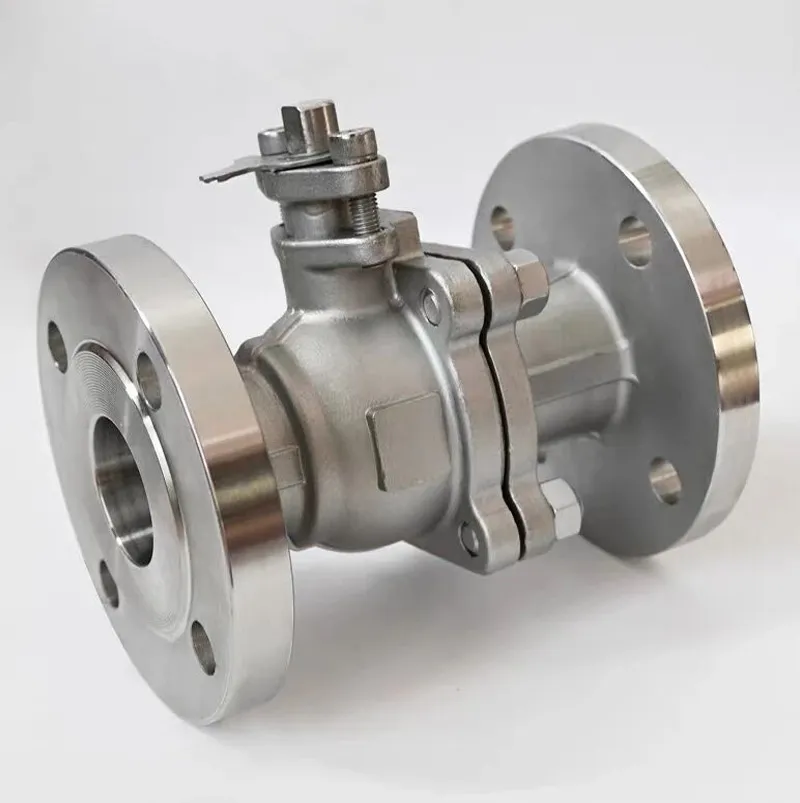
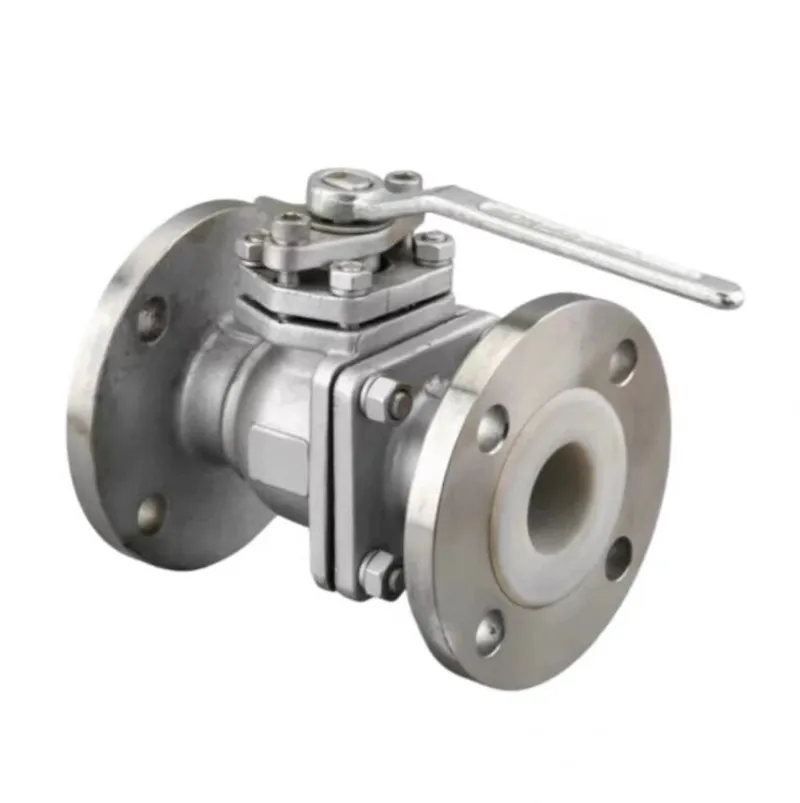
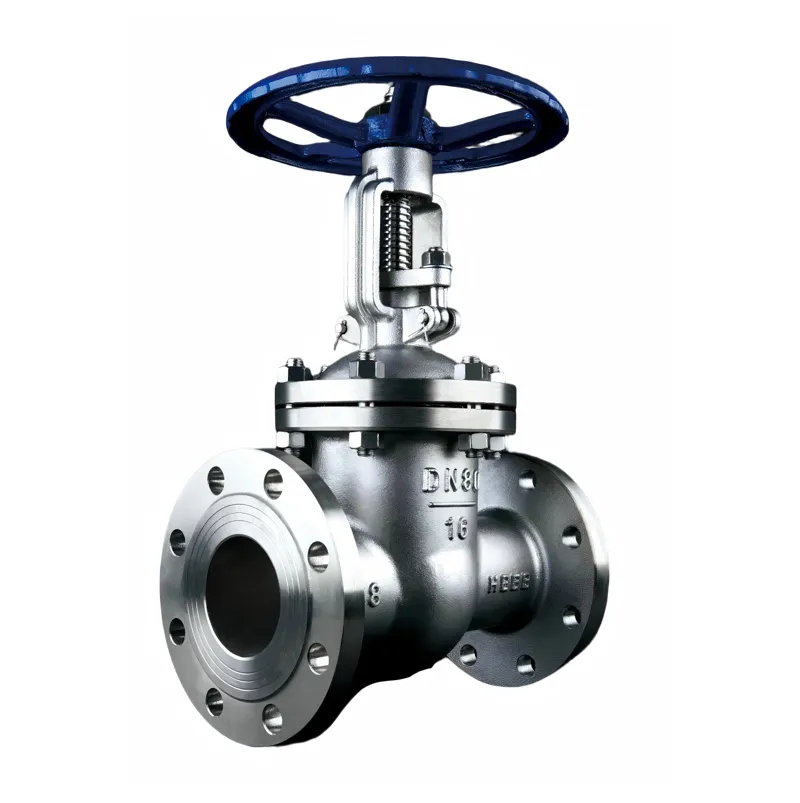
Exceptional Sulfuric Acid Resistance: Outstanding resistance to sulfuric acid (H₂SO₄) across a wide range of concentrations and temperatures, making Alloy 20 the premier material for sulfuric acid plant ball valves, acid coolers, and heat exchanger isolation.
Excellent Phosphoric and Nitric Acid Resistance: Superior performance in phosphoric acid (H₃PO₄) and nitric acid (HNO₃) service, suitable for fertilizer production, chemical processing, and pickling operations.
Superior Chloride Stress Corrosion Cracking Resistance: High nickel content (32-38%) provides excellent resistance to chloride-induced SCC, significantly outperforming 304L, 316L, and 317L stainless steel ball valves.
Good Pitting and Crevice Corrosion Resistance: Molybdenum (2-3%) and copper (3-4%) additions provide enhanced resistance to pitting and crevice corrosion in chloride-containing environments.
Excellent Weldability – Niobium Stabilized: Niobium stabilization (8×C max) prevents sensitization and intergranular corrosion after welding, eliminating the need for post-weld heat treatment for most applications.
Bidirectional Shut-Off: Full port design provides minimal pressure drop and reliable bubble-tight shut-off in both flow directions.
Low Operating Torque: Precision-machined ball and PTFE seats provide smooth quarter-turn operation with low torque requirements.
Fire-Safe Design: Available with fire-safe certification (API 607/ISO 10497) for critical chemical applications.
Anti-Static Device: Optional anti-static design to prevent static electricity accumulation across the valve.
Blow-Out Proof Stem: Stem design prevents accidental blow-out under pressure, ensuring operator safety.
Multiple End Connections: Flanged (ASME B16.5), threaded (NPT/BSP), socket weld (SW), and butt weld (BW).
Full Range of Types: Floating ball (1/2″–12″), three-piece (1/2″–6″), top entry (2″–8″), and V-port control ball valves.
Pressure Ratings: Available in Class 150, 300, 600, and 900 (PN16 to PN160).
Temperature Range: Suitable for -196°C to 400°C (-321°F to 752°F) depending on seat material.
International Certifications: Ball valves can be certified by ABS, BV, DNV, LR, GL, RINA, CCS, KR, and NK, and comply with API 607, API 6D, ASME B16.34, and NACE MR0175 (limited) standards.
|
Standard |
Description |
Corresponding Alloy 20 Grade |
|
ASME B16.34 |
Valve dimensions and pressure-temperature ratings |
UNS N08020 |
|
API 6D |
Pipeline valves (ball valves, gate valves, etc.) |
UNS N08020 |
|
API 607 / ISO 10497 |
Fire-safe testing |
UNS N08020 |
|
ISO 17292 |
Metal ball valves for petroleum, petrochemical |
UNS N08020 |
|
MSS SP-110 |
Ball valves dimensions |
UNS N08020 |
|
NACE MR0175 / ISO 15156 |
Sour service compliance (limited) |
Alloy 20 |
|
EN 12516 |
European valve standards |
2.4660 |
|
GB/T 12237 |
Chinese national standard ball valves |
NS1401 |
|
Component |
Standard Material |
Optional Material |
|
Valve Body |
Alloy 20 (UNS N08020) |
Cast CN7M |
|
Ball |
Alloy 20 (Hard Chrome Plated) |
Tungsten Carbide Coated, 316L |
|
Stem |
Alloy 20 |
Inconel 718, Monel K-500, 17-4PH |
|
Seat |
PTFE (Standard) |
RTFE, PEEK, Devlon, Metal Seated |
|
Seals |
PTFE + Graphite |
Grafoil, PEEK, Viton |
|
Gasket |
Spiral Wound (Alloy 20/Graphite) |
PTFE, Grafoil |
|
Bolting |
A193 B8M Class 2 (316 Stainless) |
Alloy 20, Inconel |
|
Handle |
316 Stainless Steel |
Alloy 20, with locking device |
|
Gear Operator |
Carbon Steel with Alloy 20 coating |
316 Stainless, Bevel Gear |
|
Seat Material |
Temperature Range |
Pressure Range |
Applications |
|
PTFE (Virgin) |
-55°C to 180°C |
Full rated |
General sulfuric acid service |
|
RTFE (PTFE + Glass) |
-55°C to 200°C |
Full rated |
Wear resistance, higher cycle |
|
PEEK |
-46°C to 250°C |
Up to 6000 psi |
High temperature, high pressure, sour service |
|
Devlon (PCTFE) |
-196°C to 150°C |
Full rated |
Cryogenic valves (-196°C) |
|
Metal Seated (Stellite) |
-196°C to 400°C |
Full rated |
Severe service, abrasives, high temperature |
|
Valve Type |
Size Range |
Connection |
Pressure |
Typical Acid Service Applications |
|
Floating Ball Valve |
1/2″ – 10″ (DN15 – DN250) |
Flanged, Threaded |
Class 150-600 |
Sulfuric acid pipe isolation |
|
Three-Piece |
1/2″ – 6″ (DN15 – DN150) |
Threaded, SW |
1000-3000 WOG |
Instrument lines, chemical injection |
|
Top Entry |
2″ – 8″ (DN50 – DN200) |
Flanged |
Class 150-600 |
In-line maintenance |
|
V-Port Control |
1″ – 6″ (DN25 – DN150) |
Flanged |
Class 150-600 |
Flow control, throttling |
|
Full Port |
1/2″ – 8″ (DN15 – DN200) |
Flanged, Threaded |
Class 150-600 |
Minimal pressure drop |
|
Multi-Port (3-Way) |
1″ – 6″ (DN25 – DN150) |
Flanged, Threaded |
Class 150-300 |
Diverter, mixing for acids |
|
Acid Type |
Concentration |
Temperature Limit |
Alloy 20 Suitability |
|
Sulfuric Acid (H₂SO₄) |
0-98% |
60°C (140°F) |
Excellent |
|
Sulfuric Acid (H₂SO₄) |
98-100% |
50°C (122°F) |
Good |
|
Phosphoric Acid (H₃PO₄) |
All |
100°C (212°F) |
Excellent |
|
Nitric Acid (HNO₃) |
All |
70°C (158°F) |
Excellent |
|
Hydrochloric Acid (HCl) |
Dilute |
50°C (122°F) |
Fair |
|
Acetic Acid |
All |
120°C (248°F) |
Excellent |
|
Citric Acid |
All |
100°C (212°F) |
Excellent |
|
Formic Acid |
All |
100°C (212°F) |
Excellent |
Secondary Metal-to-Metal Seats: After PTFE seat burnout, secondary metal seats provide shut-off.
Graphite Stem Seals: Fire-resistant stem packing for emergency sealing.
Anti-Static Device: Spring-loaded plunger ensures electrical continuity between ball and body.
Blow-Out Proof Stem: Stem design prevents accidental ejection under extreme pressure.
|
Parameter |
Floating Ball Valve |
Three-Piece Ball Valve |
Top Entry Ball Valve |
|
Size Range (NPS) |
1/2″ – 10″ |
1/2″ – 6″ |
2″ – 8″ |
|
Pressure Class |
150 – 600 |
1000-3000 WOG |
150 – 600 |
|
End Connections |
Flanged, Threaded, SW |
Threaded, NPT, BSP, SW |
Flanged |
|
Face-to-Face |
ASME B16.10 |
MSS SP-110 |
API 6D |
|
Flange Drilling |
ASME B16.5 |
N/A |
ASME B16.5 |
Raw Material Selection: High-quality Alloy 20 (UNS N08020) nickel-iron-chromium billets from certified premium mills (Special Metals, VDM Metals, Carpenter) with certified chemical composition (Ni 32-38%, Cr 19-21%, Mo 2-3%, Cu 3-4%, Nb stabilization verification) and traceability.
Casting/Forging: Valve body cast (CN7M) or forged to shape with strict temperature control.
Heat Treatment – Solution Annealing: Solution annealing at 925–1010°C followed by rapid cooling (water quenching) to dissolve carbides and restore properties.
Machining: CNC lathes and machining centers produce precise dimensions – ball cavity, stem bore, flange faces, bolt holes, and seat pockets.
Ball Machining & Polishing: Ball machined and polished to mirror finish (Ra ≤ 0.4μm) for bubble-tight shut-off.
Seat Machining: PTFE, RTFE, or PEEK seats machined to precise dimensions.
Stem Machining: Stem machined with anti-static spring grooves and blow-out proof shoulders.
Niobium Stabilization Verification: ASTM G28 intergranular corrosion test performed.
Assembly: Ball, seats, stem, seals, and body assembled in clean environment.
Testing: Hydrostatic shell test, high-pressure seat test, low-pressure air seat test (bubble test).
Marking: Laser engraved with size, pressure, material, heat number, API 6D, and fire-safe markings (if applicable).
Coating: External coating (epoxy or PTFE) for corrosion protection.
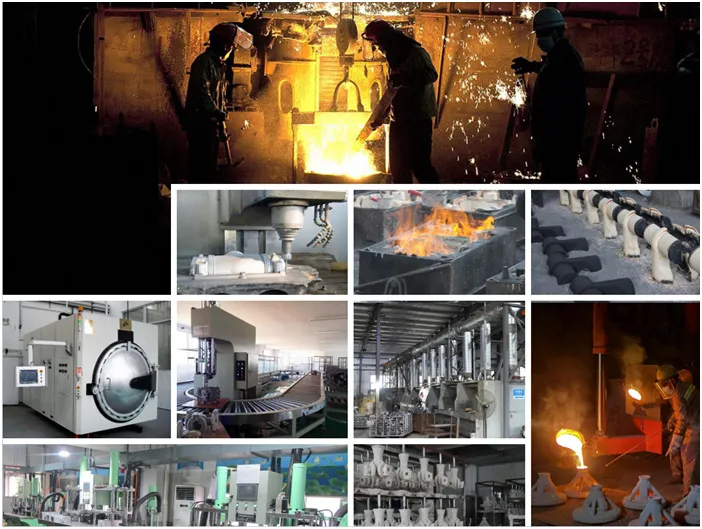
Pressure Testing: 100% hydrostatic shell test (1.5× rated pressure), high-pressure seat test (1.1× rated pressure), low-pressure air seat test (80 psi, bubble-tight).
Material Verification: PMI 100% for body, ball, stem – verification of Ni (32-38%), Cr (19-21%), Mo (2-3%), Cu (3-4%), Nb (stabilization).
Intergranular Corrosion Test: ASTM G28 – validates resistance to intergranular corrosion and niobium stabilization (mandatory for Alloy 20).
Dimensional Inspection: Face-to-face, flange dimensions, ball cavity, stem bore.
Sulfuric Acid Corrosion Test: ASTM G31 – weight loss in H₂SO₄ upon request.
Fire-Safe Testing: API 607 / ISO 10497 (upon request).
NACE Compliance: Documentation available (limited sour service).
Third-Party Inspection: SGS, BV, DNV, TUV, LR on customer request.
Sulfuric Acid Production & Handling: Sulfuric acid plant process isolation valves, acid cooler ball valves, acid piping system block valves, storage tank isolation, acid dilution system valves, spent acid recovery, metallurgical acid plant valves.
Phosphoric Acid Service: Phosphoric acid evaporator isolation valves, heat exchanger ball valves, fertilizer production equipment (DAP/MAP), wet-process phosphoric acid plant valves.
Nitric Acid Service: Nitric acid cooler isolation, heater block valves, ammonium nitrate production equipment isolation.
Pickling Plants (Stainless Steel): Pickling line isolation valves, acid recovery system ball valves, spent acid handling, steel mill pickling lines, titanium dioxide production.
Chemical Processing (Aggressive): Chemical reactor isolation valves, process vessel shutdown, organic acid processing (acetic, formic, citric), chlorinated hydrocarbon handling, chlor-alkali heat exchanger isolation.
Pharmaceutical: High-purity process line ball valves, API (Active Pharmaceutical Ingredient) reactor isolation, sterile transfer lines, clean steam systems, vitamin C production.
Metal Finishing: Acid bath isolation, recovery system valves, waste acid handling.
Marine Engineering (Chemical Tankers): Acid cargo piping ball valves, chemical tanker manifold valves (ABS/BV/DNV/LR certified).
1. How does Alloy 20 compare to
316L stainless steel for ball valves?
Alloy 20 offers significantly better resistance to sulfuric acid (H₂SO₄),
phosphoric acid (H₃PO₄), and chloride stress corrosion cracking. For
concentrated or hot sulfuric acid service where 316L would fail rapidly, Alloy
20 is required.
2. Is Alloy 20 resistant to
hydrochloric acid (HCl)?
Limited. Alloy 20 has fair resistance to dilute HCl but is not recommended for
concentrated or aerated HCl. For hydrochloric acid service, consider Hastelloy
C276 ball valves.
3. Can Alloy 20 ball valves be
welded without post-weld heat treatment?
Yes. Alloy 20 is niobium-stabilized, which prevents sensitization and
intergranular corrosion after welding. This is a major advantage over
non-stabilized grades, eliminating PWHT for most applications.
4. What is the maximum temperature
for continuous service?
400°C (752°F) for general service. For sulfuric acid service specifically,
limit to 150°C (302°F) depending on acid concentration.
5. Are Alloy 20 ball valves
fire-safe certified?
Yes, API 607 / ISO 10497 fire-safe certification is available upon request.
Fire-safe valves feature secondary metal seats and graphite stem packing.
6. What seat material is best for
sulfuric acid service?
PTFE is standard for H₂SO₄ service up to 180°C. PEEK is recommended for higher temperature (up to 250°C). RTFE provides better wear resistance for high-cycle applications.
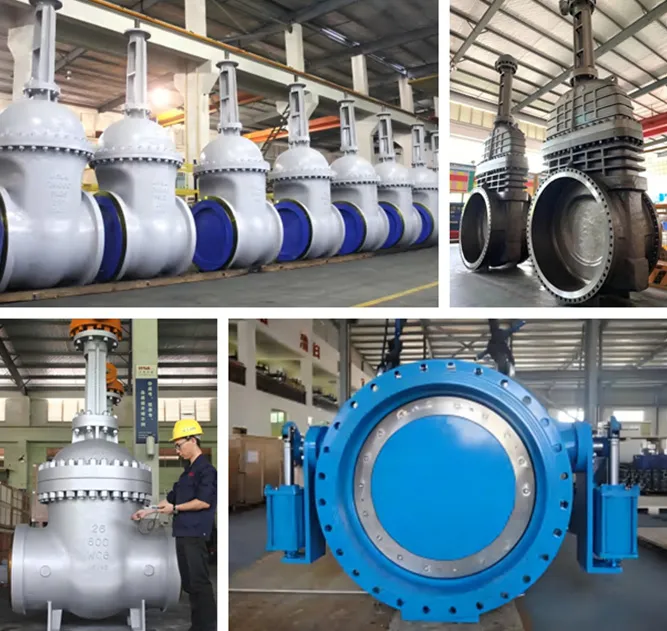
Complete Product Range: Floating, three-piece, top entry, V-port – all types available.
Strict Quality Control: ISO 9001:2015, API 6D, PED certified.
Niobium Stabilized: ASTM G28 intergranular corrosion tested.
Fire-Safe Certified: API 607 / ISO 10497 available.
100% Pressure Tested: Hydrostatic shell and seat tests on every valve.
Full Traceability: Heat number on body – traceable to raw material.
Flexible Customization: Special end connections, extended stem, locking device, gear operator.
Acid Service Expertise: Proven in sulfuric, phosphoric, and nitric acid plants worldwide.
Global Delivery: Exported to major chemical plants and acid handling facilities.
Small ball valves (≤2″): Individual poly bags in carton boxes
with foam inserts.
Medium ball valves (2.5″–8″): Plywood
cases with foam padding, each valve separated, flange protectors.
Large ball valves (≥10″): Wooden
crates with protective wrapping, flange protectors, lifting lugs.
All shipments:
Plastic end caps for threaded/socket weld ends
Flange protectors for flanged ends
Individual tagging with heat number and grade
Complete documentation: MTR, PMI reports, ASTM G28 test reports, hydrostatic test reports
Tel / WhatsApp:
Victor: +86 15575100681
Jack: +86 18390957568
Website: www.womicstainless.com
E‑mail: info@womicstainless.com
Contact Womic Steel today for a competitive quote on Alloy 20 ball valves. We offer certified quality, niobium-stabilized material verification, ASTM G28 corrosion testing, fast production lead times, and reliable global delivery for your acid service and chemical processing projects.
Stock Examples (Floating Ball Valves – Class 150 Flanged – Alloy 20 – PTFE Seats – Sulfuric Acid Service):
|
NPS |
DN |
End |
Class |
Seat |
Operator |
|
1/2″ |
15 |
Flanged |
150 |
PTFE |
Lever |
|
1″ |
25 |
Flanged |
150 |
PTFE |
Lever |
|
2″ |
50 |
Flanged |
150 |
PTFE |
Lever |
|
3″ |
80 |
Flanged |
150 |
PTFE |
Lever |
|
4″ |
100 |
Flanged |
150 |
PTFE |
Lever |
|
6″ |
150 |
Flanged |
150 |
PTFE |
Gear |
|
8″ |
200 |
Flanged |
150 |
PTFE |
Gear |
|
10″ |
250 |
Flanged |
150 |
PTFE |
Gear |
Stock Examples (Threaded Alloy 20 Ball Valves – 3000 WOG – Three-Piece – Chemical Injection):
|
NPS |
DN |
End |
Pressure |
Seat |
Body |
|
1/4″ |
8 |
NPT |
3000 WOG |
PTFE |
Alloy 20 |
|
3/8″ |
10 |
NPT |
3000 WOG |
PTFE |
Alloy 20 |
|
1/2″ |
15 |
NPT |
3000 WOG |
PTFE |
Alloy 20 |
|
3/4″ |
20 |
NPT |
3000 WOG |
PTFE |
Alloy 20 |
|
1″ |
25 |
NPT |
3000 WOG |
PTFE |
Alloy 20 |
Related Keywords (Alloy 20 Ball Valves):
ASME B16.34 Alloy 20 ball valve, Carpenter 20 ball valve, UNS N08020 floating ball valve, sulfuric acid resistant ball valve, phosphoric acid isolation valve, nitric acid ball valve, CN7M cast ball valve, API 607 fire-safe Alloy 20 ball valve, 3-piece ball valve Alloy 20 threaded, flanged ball valve Class 150 Alloy 20, PEEK seated ball valve high temperature, cryogenic Alloy 20 ball valve -196°C, niobium stabilized Alloy 20 ball valve, ASTM G28 intergranular corrosion tested, pickling line Alloy 20 ball valve, fertilizer plant Alloy 20 valve, metal finishing acid bath valve, chemical reactor isolation valve, titanium dioxide production ball valve, pharmaceutical API reactor ball valve, Alloy 20 vs 316L acid resistance, Alloy 20 vs Alloy 825 cost comparison, top entry ball valve for in-line maintenance, V-port control ball valve for acid flow control, full port ball valve for minimal pressure drop, 3-way ball valve for acid diverter, high pressure Alloy 20 ball valve Class 600.