Womic Stainless Steel Co., Ltd

The food processing industry requires extremely strict hygiene and material safety standards. Pipelines used in food production facilities must transport liquids, gases, and semi-fluid products such as milk, beverages, edible oils, syrups, sauces, and cleaning solutions without introducing contamination or affecting product quality.
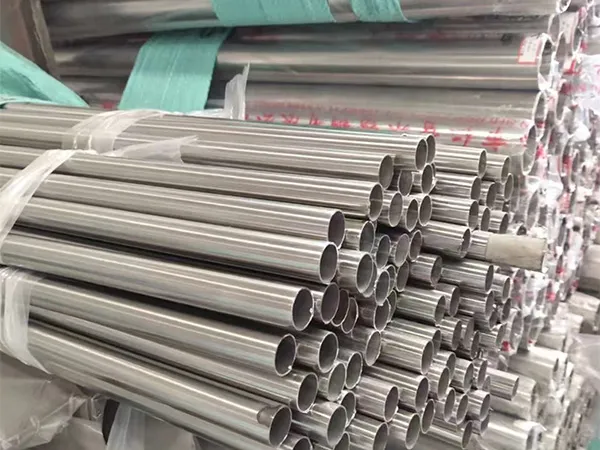
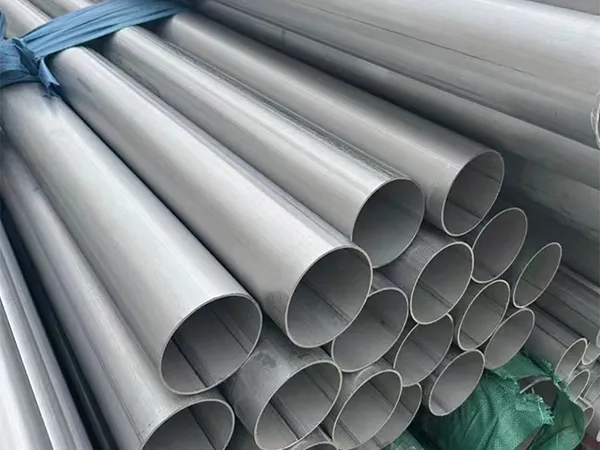
For this reason, stainless steel pipes are the most widely used piping materials in food processing plants. Their smooth surface finish, corrosion resistance, non-reactive chemical properties, and ease of cleaning make them ideal for hygienic applications.
Food-grade piping systems are commonly designed according to international sanitary and engineering standards developed by organizations such as ASTM International, International Organization for Standardization, and the 3-A Sanitary Standards, Inc.. These standards ensure that stainless steel pipes used in food production meet strict safety and hygiene requirements.
Typical pipe materials used in food processing systems are manufactured according to specifications such as ASTM A312, ASTM A269, and EN 10217-7.
Selecting the correct stainless steel pipe grade and surface finish is essential for maintaining food safety, preventing bacterial growth, and ensuring long-term equipment reliability.
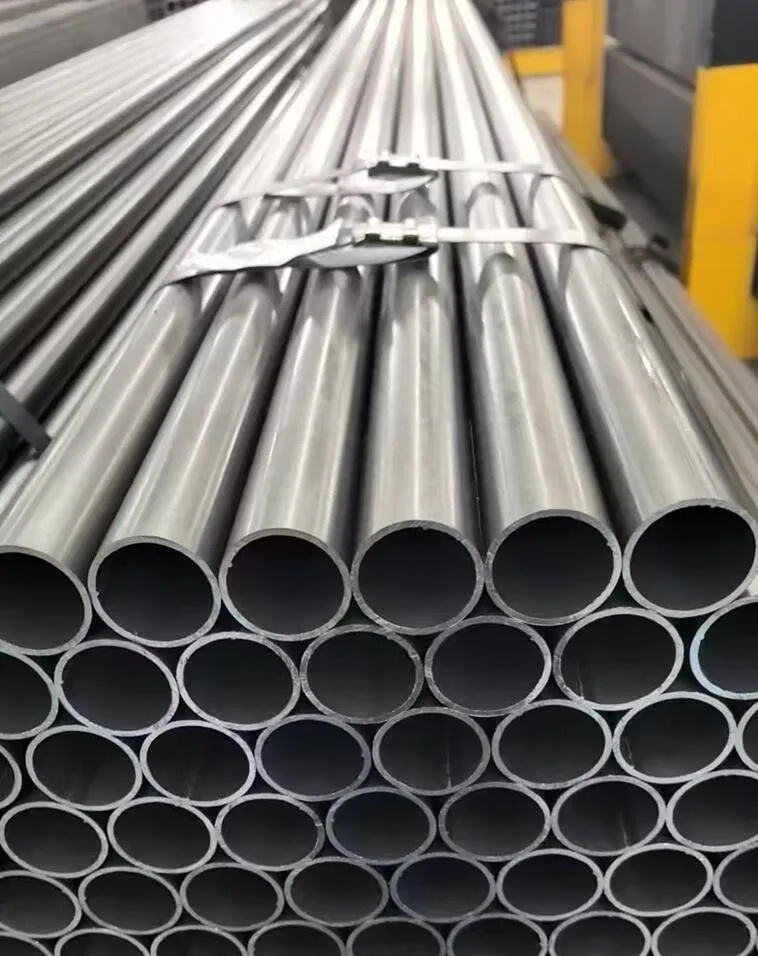
Food processing pipelines must meet strict hygienic design requirements to prevent contamination during production and cleaning processes.
Key design considerations include:
l Smooth internal surfacesto prevent product residue buildup.
l High corrosion resistanceto withstand food acids and cleaning chemicals.
l Non-toxic materialsthat do not react with food products.
l Easy cleaning capabilityusing CIP (Clean-In-Place) systems.
l Resistance to bacterial growthand contamination.
Because of these requirements, stainless steel pipes used in food processing plants typically have highly polished surfaces and strict material composition control.
Several stainless steel grades are commonly used in food processing pipelines. The most widely used materials belong to the austenitic stainless steel family.
|
Grade |
Standard |
Stainless Steel Type |
Typical Food Application |
|
304 |
ASTM A312 |
Austenitic Stainless Steel |
General food pipelines |
|
304L |
ASTM A312 |
Low Carbon Austenitic |
Welded food piping systems |
|
316 |
ASTM A312 |
Molybdenum Alloyed Austenitic |
Acidic food environments |
|
316L |
ASTM A312 |
Low Carbon Austenitic |
Dairy and beverage systems |
|
321 |
ASTM A312 |
Stabilized Austenitic |
High temperature food processing |
Among these materials,304 and 316L stainless steel pipesare the most widely used in food processing plants.
304 stainless steel offers good corrosion resistance and is suitable for most food products.
316L stainless steel contains molybdenum, which significantly improves resistance to organic acids and chloride-containing cleaning agents. For this reason, it is widely used in dairy processing and beverage production facilities.
The corrosion resistance and hygienic properties of stainless steel pipes depend largely on their chemical composition.
Key alloying elements include chromium, nickel, and molybdenum.
|
Grade |
Cr (%) |
Ni (%) |
Mo (%) |
C (%) |
|
304 |
18–20 |
8–10.5 |
— |
≤0.08 |
|
304L |
18–20 |
8–12 |
— |
≤0.03 |
|
316 |
16–18 |
10–14 |
2–3 |
≤0.08 |
|
316L |
16–18 |
10–14 |
2–3 |
≤0.03 |
|
321 |
17–19 |
9–12 |
— |
≤0.08 |
Chromium forms a protective oxide layer on the steel surface that prevents corrosion.
Nickel improves ductility, toughness, and corrosion resistance.
Molybdenum significantly increases resistance to organic acids, salt solutions, and cleaning chemicals.
Because of these properties, 316L stainless steel is often preferred for food processing environments where aggressive cleaning agents are used.
Although corrosion resistance and hygiene are the primary requirements for food processing pipelines, mechanical strength is also important to ensure durability and safe operation.
Typical mechanical properties include:
|
Grade |
Yield Strength (MPa) |
Tensile Strength (MPa) |
Elongation (%) |
|
304 |
≥205 |
≥515 |
≥35 |
|
304L |
≥170 |
≥485 |
≥35 |
|
316 |
≥205 |
≥515 |
≥35 |
|
316L |
≥170 |
≥485 |
≥35 |
|
321 |
≥205 |
≥515 |
≥35 |
These materials provide sufficient strength for food processing pipelines while maintaining excellent corrosion resistance and formability.
Surface finish is one of the most important characteristics of stainless steel pipes used in food processing systems.
Rough surfaces can trap food particles and create environments where bacteria can grow.
Therefore, hygienic stainless steel pipes typically require highly polished internal surfaces.
Common surface finish requirements include:
|
Surface Finish |
Typical Roughness (Ra) |
Application |
|
Mill Finish |
1.6 – 3.2 μm |
General industrial pipelines |
|
Mechanical Polished |
≤0.8 μm |
Food processing pipelines |
|
Electro-Polished |
≤0.5 μm |
Pharmaceutical and ultra-hygienic systems |
Electropolishing removes microscopic surface irregularities and improves corrosion resistance by strengthening the passive oxide layer on the steel surface.
Many food and beverage manufacturers require internal surface roughness values belowRa 0.8 μmto maintain hygienic conditions.
Modern food processing plants useClean-In-Place (CIP)systems to clean pipelines and processing equipment without disassembly.
CIP systems circulate cleaning chemicals through pipelines to remove residues and sterilize the system.
Typical CIP cleaning solutions include:
Alkaline detergents for removing organic residues
Acid solutions for removing mineral deposits
Hot water or steam for sterilization
Stainless steel pipes used in CIP systems must resist both chemical attack and thermal cycling.
Grades such as 304L and 316L stainless steel provide excellent performance under repeated cleaning cycles.
Stainless steel pipes are widely used throughout food production facilities.
Typical applications include:
Milk and dairy product transportation pipelines.
Beverage processing systems for juices, soft drinks, and bottled water.
Edible oil and syrup transfer pipelines.
Fermentation systems used in brewing and biotechnology.
Food packaging production lines requiring hygienic piping systems.
Because of their hygienic properties and corrosion resistance, stainless steel pipes are essential components of modern food production infrastructure.
Food-grade stainless steel pipes must undergo strict quality control and inspection procedures before being used in hygienic piping systems.
Typical inspection processes include:
Chemical composition verification.
Mechanical property testing.
Surface roughness measurement.
Hydrostatic pressure testing.
Non-destructive testing such as ultrasonic inspection.
Sanitary inspection to ensure smooth surfaces and absence of contamination.
These quality checks ensure that stainless steel pipes meet strict food industry hygiene requirements.
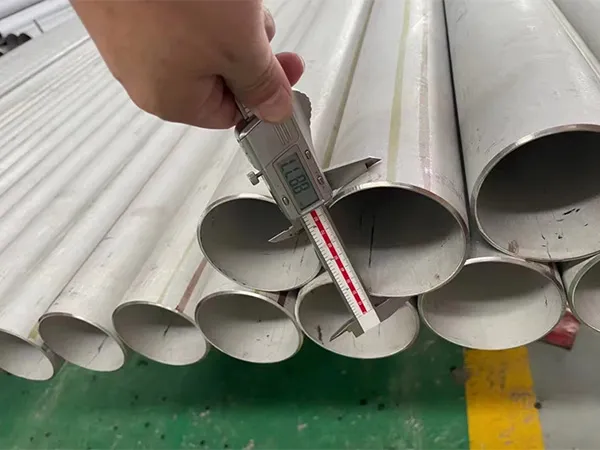
Womic Steel is a professional manufacturer of high-quality stainless steel pipes designed for demanding industrial applications including food processing, pharmaceutical manufacturing, chemical processing, and energy infrastructure.
The company produces seamless and welded stainless steel pipes in accordance with international standards such as ASTM A312, ASTM A269, and EN 10217-7.
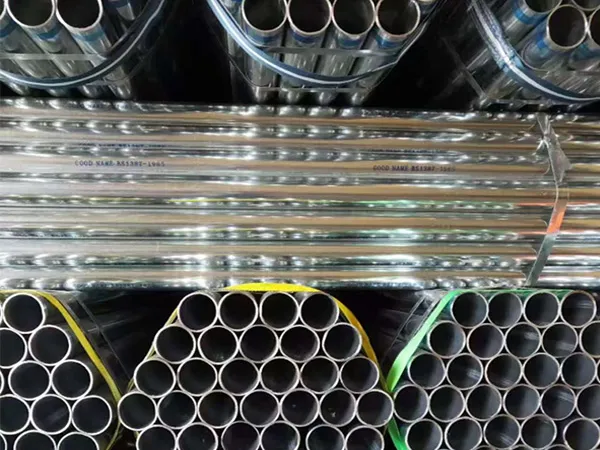
Womic Steel supplies a wide range of food-grade stainless steel materials including:
304 stainless steel pipes
304L stainless steel pipes
316 stainless steel pipes
316L stainless steel pipes
321 stainless steel pipes
The company’s manufacturing facilities include modern pipe forming equipment, cold drawing production lines, precision polishing systems, and advanced inspection laboratories.
Each stainless steel pipe undergoes strict quality control procedures including chemical analysis, mechanical testing, dimensional inspection, and surface finish verification to ensure compliance with international food industry standards.
With strong production capacity and extensive export experience, Womic Steel provides reliable stainless steel piping solutions for global food processing facilities and hygienic production systems.
Customized services. Rapid production. Global reach. We
ensure your specific needs are fulfilled with precision and top-tier quality.
Website: www.womicstainless.com
Email:info@womicstainless.com
Tel/WhatsApp/WeChat:Victor: +86-15575100681 or Jack: +86-18390957568