Womic Stainless Steel Co., Ltd

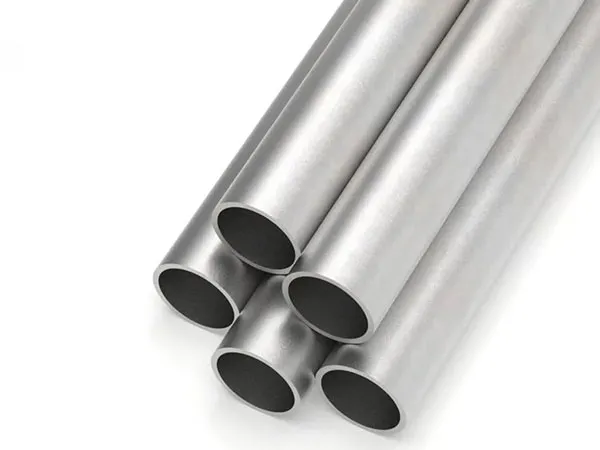
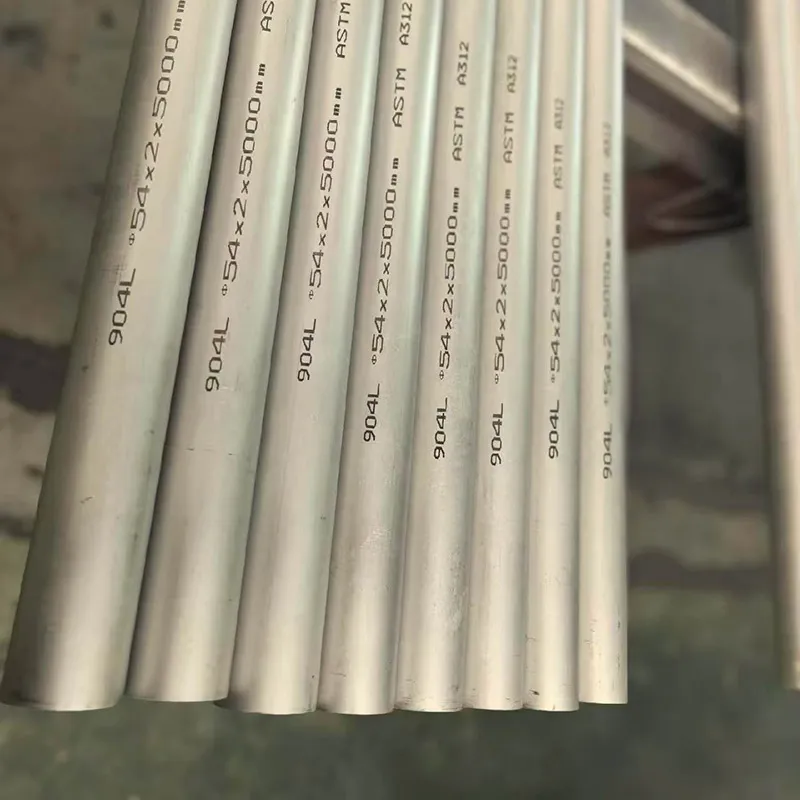
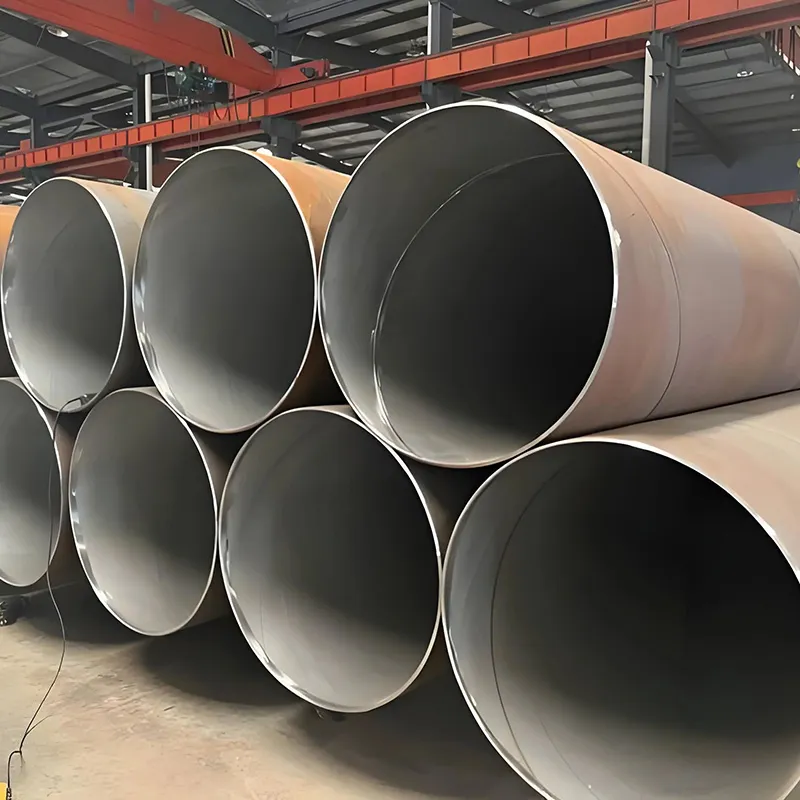
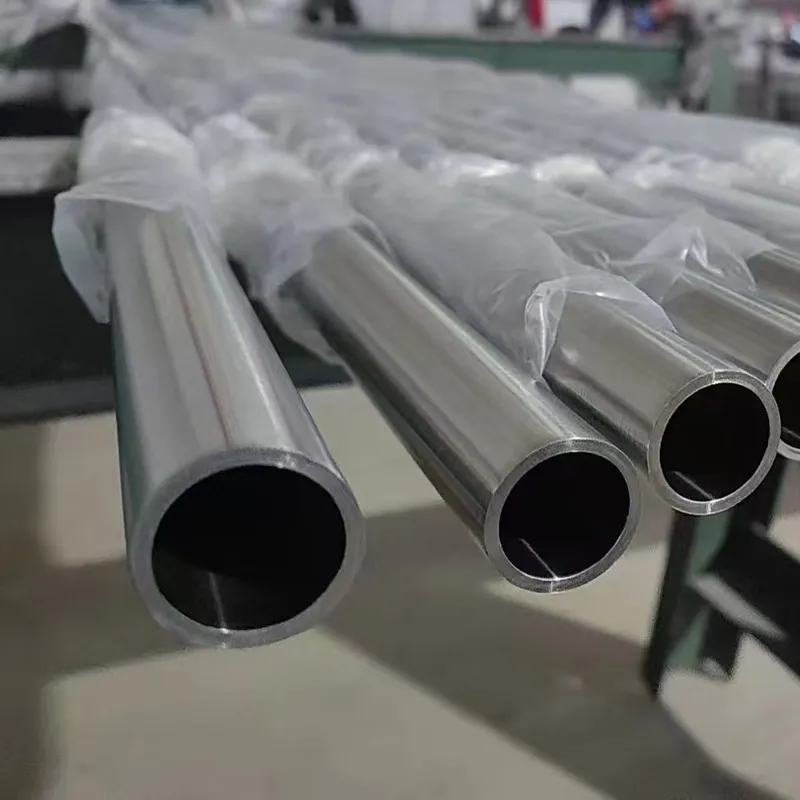
Womic Steel supplies Duplex Stainless Steel Pipe for oil & gas, offshore, chemical processing, desalination and industrial applications requiring high strength and resistance to chloride-related corrosion.
Duplex Stainless Steel Pipe has become an important material option for industrial piping systems where conventional austenitic stainless steels may not provide the desired combination of strength and corrosion resistance.
The defining characteristic of duplex stainless steel is its two-phase microstructure, consisting primarily of austenite and ferrite. This metallurgical structure provides a combination of properties that can be highly valuable in demanding piping applications.
Compared with many conventional austenitic stainless steels, duplex grades can provide higher mechanical strength while maintaining strong resistance to various forms of corrosion. This can create opportunities for reducing wall thickness or optimizing the design of pressure-containing systems, subject to engineering requirements.
However, duplex stainless steel also requires greater metallurgical control during manufacturing. Heat treatment, cooling rate, welding heat input and phase balance can all influence final performance.
Womic Steel supplies duplex stainless steel pipe for industrial applications where strength, corrosion resistance and controlled metallurgical properties are important.
Duplex Stainless Steel Pipe is manufactured from stainless steel with a two-phase ferritic-austenitic microstructure.
The combination of the two phases provides a balance of properties that is different from conventional fully austenitic stainless steels.
Key characteristics include:
Common duplex grades include S31803, S32205 and other duplex compositions specified by applicable standards.
The performance of duplex stainless steel is closely connected to its phase balance.
Ferrite
The ferritic phase contributes to strength and can improve resistance to certain forms of stress corrosion cracking.
Austenite
The austenitic phase contributes to toughness, ductility and corrosion resistance.
Why Phase Balance Matters
A duplex stainless steel pipe cannot be evaluated only by its nominal chemical composition. Manufacturing conditions influence the resulting microstructure.
Excessive or insufficient thermal exposure can disturb the desired ferrite-austenite balance.
This is why controlled heat treatment is particularly important for duplex products.
Heat treatment is one of the most important manufacturing considerations for Duplex Stainless Steel Pipe.
After forming, the material needs to achieve a suitable metallurgical condition. The heat-treatment temperature and subsequent cooling process influence phase transformation.
If cooling is inappropriate, undesirable secondary phases may form or the ferrite-austenite balance may shift away from the desired condition.
This can affect toughness and corrosion performance.
Solution Treatment
Solution treatment is used where required by the applicable product specification to obtain the desired metallurgical condition.
Cooling
Rapid and controlled cooling may be important for maintaining the intended duplex structure.
Manufacturing Consistency
For industrial projects involving large quantities, consistency between heats and production batches is important because metallurgical variation can affect product performance.
Welding introduces an additional metallurgical challenge.
During welding, the material experiences localized high temperatures followed by cooling. This thermal cycle can alter the ferrite-austenite balance in the weld metal and heat-affected zone.
Heat Input
Heat input needs to be controlled according to the material grade, thickness and welding procedure.
Cooling Rate
Cooling that is too rapid or too slow can influence phase transformation.
Weld Metal
The welding procedure and filler material need to be selected appropriately to obtain suitable weld properties.
Inspection
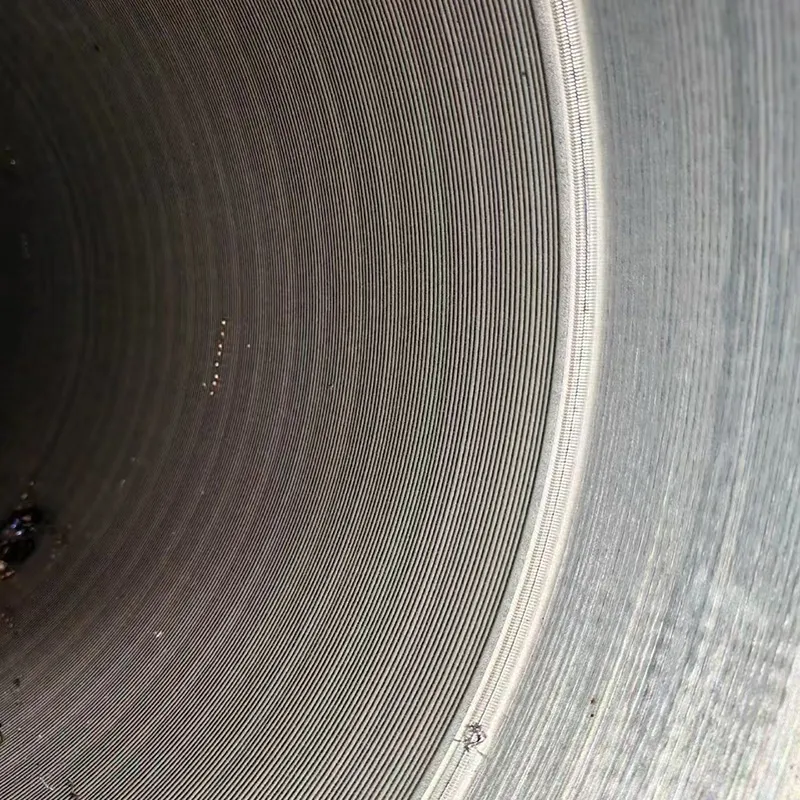
Where required, welded duplex pipe can undergo visual examination, dimensional inspection and appropriate non-destructive testing.
For demanding applications, welding procedure qualification and project-specific inspection requirements should be confirmed before fabrication.
Duplex stainless steel is often selected for environments containing chlorides and other corrosive agents.
Chloride Exposure
Chlorides can cause localized corrosion in susceptible stainless steels. Duplex grades can provide improved resistance compared with many conventional grades, although performance still depends on alloy composition and operating conditions.
Stress Corrosion Cracking
Duplex stainless steels can offer advantages in environments where chloride stress corrosion cracking is a concern.
Offshore and Marine Conditions
Seawater and offshore environments can impose severe corrosion challenges. Appropriate duplex grades may provide a useful combination of strength and corrosion resistance for these applications.
Material selection must nevertheless be based on the actual service environment rather than simply the product name.
Chemical Composition
Chemical analysis verifies the alloying elements required for the specified duplex grade.
Mechanical Testing
Tensile strength, yield strength and elongation are important because duplex grades are generally selected partly for their higher strength.
Metallurgical Examination
Where required, microstructural examination can help evaluate the ferrite-austenite condition.
Corrosion-Related Testing
Specific projects may require additional corrosion-related testing depending on the service environment and applicable specification.
PMI
PMI can be used to verify material identification and reduce the possibility of grade mix-up.
Oil & Gas
Duplex pipe can be used in process, production and utility systems where high strength and corrosion resistance are required.
Offshore Engineering
Offshore systems face seawater, chlorides and demanding mechanical conditions, making duplex stainless steel an attractive material option for selected applications.
Chemical Processing
Duplex grades can be used in chemical process systems where conventional stainless steel may have insufficient corrosion resistance.
Desalination
Desalination plants involve chloride-rich water and demanding process conditions. Suitable duplex grades can be used in selected piping systems.
Petrochemical
Duplex pipe can provide a combination of strength and corrosion resistance for various refinery and petrochemical applications.
A complete inquiry should ideally identify:
The intended service should also be provided, particularly for offshore, seawater, chemical or high-chloride applications.
Duplex Stainless Steel Pipe provides a valuable combination of strength and corrosion resistance for demanding industrial environments. Its two-phase ferritic-austenitic structure is central to its performance, but it also makes manufacturing and heat-treatment control particularly important.
For buyers, the quality of duplex pipe should therefore be evaluated through chemical composition, mechanical properties, heat treatment, microstructural control and appropriate inspection.
Womic Steel supplies duplex stainless steel pipe according to applicable standards and project requirements, including specified dimensions, testing and documentation.
For a quotation, please provide the duplex grade, OD, wall thickness, length, quantity, applicable standard, testing requirements and delivery term (EXW/FOB/CIF).