Womic Stainless Steel Co., Ltd

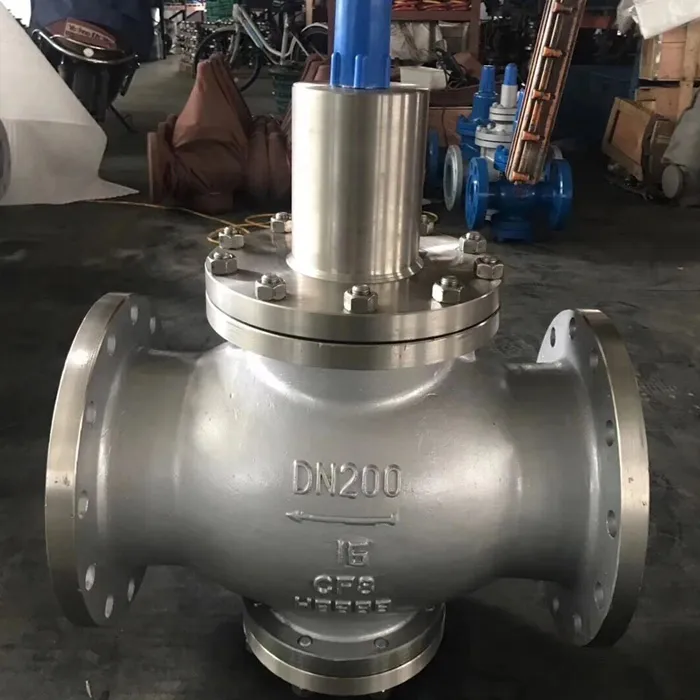
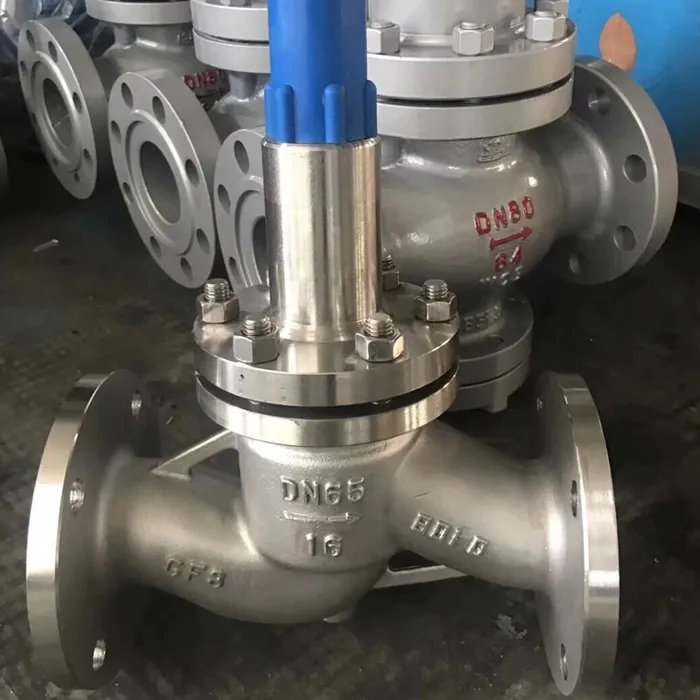
Superior Corrosion Resistance: Nickel-chromium-molybdenum-copper alloy provides outstanding resistance to H₂SO₄, H₃PO₄, HCl, H₂S, and chloride SCC – premier material for corrosive service pressure reducing valves.
NACE MR0175 / ISO 15156 Compliant: Fully qualified for sour service (H₂S) up to 232°C (450°F), with documented HIC and SSC test reports available.
Precise Downstream Pressure Control: Maintains constant outlet pressure regardless of inlet pressure fluctuations, with accuracy up to ±2% of set point.
Self-Operated Design: No external power required – internal spring or dome pressure controls valve position.
Fail-Safe Operation: Spring-loaded design provides fail-open or fail-closed configuration for safety critical applications.
Multiple Control Types: Direct-operated (low flow), pilot-operated (high flow), dome-loaded (high accuracy), and pressure-reducing/back-pressure combinations.
Titanium Stabilization: Prevents sensitization and intergranular corrosion – no PWHT required for welded connections.
Wide Pressure Range: Inlet pressures up to 6000 psig, outlet pressures from 5 psig to 1500 psig.
Full Range of Sizes: 1/2″–12″ (DN15–DN300) with flanged, threaded, socket weld, and butt weld ends.
Pressure Ratings: Inlet Class 150-2500; outlet Class 150-600.
Temperature Range: Suitable for -46°C to 400°C (-50°F to 752°F) depending on trim materials.
International Certifications: Valves can be certified by ABS, BV, DNV, LR, and comply with ASME B16.34, NACE MR0175, and ISO 4126.
|
Standard |
Description |
Grade |
|
ASME B16.34 |
Valve dimensions and pressure-temperature ratings |
UNS N08825 |
|
ASME PTC 25 |
Pressure relief devices (test methods) |
Alloy 825 |
|
ISO 4126 |
Safety devices for protection against excessive pressure |
Alloy 825 |
|
NACE MR0175 / ISO 15156 |
Sour service compliance |
Alloy 825 |
|
EN 334 |
Gas pressure reducing valves for inlet pressure up to 100 bar |
2.4858 |
|
API 527 |
Seat tightness of pressure relief valves |
Alloy 825 |
|
Component |
Standard Material |
Optional Material |
|
Valve Body |
Alloy 825 (UNS N08825) |
Duplex, Super Duplex |
|
Bonnet |
Alloy 825 (UNS N08825) |
Duplex, Super Duplex |
|
Stem |
Alloy 825 |
Inconel 718, Monel K-500, 17-4PH |
|
Seat |
Alloy 825 / Stellite |
Stellite #6, Tungsten Carbide |
|
Disc (Plug) |
Alloy 825 / PEEK |
Stellite, PTFE, PEEK |
|
Spring |
Inconel 718 / 17-7PH |
Hastelloy C276, Elgiloy |
|
Diaphragm |
PTFE / Viton / 316 |
Alloy 825, Hastelloy C276 |
|
Piston |
Alloy 825 |
17-4PH |
|
Gasket |
Spiral Wound (316/Graphite) |
Alloy 825/Graphite |
|
Bolting |
A193 B8M (316 Stainless) |
Alloy 825, Inconel |
|
Adjustment Screw |
316 Stainless |
Alloy 825 |
|
Control Type |
Pressure Range |
Flow Capacity |
Accuracy |
Applications |
|
Direct-Operated |
Up to 1500 psig inlet |
Low to Medium |
±5-10% |
Instrument air, small bore, chemical injection |
|
Pilot-Operated |
Up to 1500 psig inlet |
High |
±1-2% |
Steam systems, gas distribution, high flow |
|
Dome-Loaded |
Up to 6000 psig inlet |
Medium to High |
±1% |
High pressure gas, hydrogen, HP/HT |
|
Spring-Loaded |
Up to 3000 psig inlet |
Medium |
±2-5% |
General industrial, water, air |
|
Pressure Reducing/Back Pressure Combination |
Up to 1500 psig |
Medium |
±2-3% |
Dual pressure control |
|
Valve Type |
Size Range |
Connection |
Max Inlet |
Outlet Range |
Typical Applications |
|
Direct-Operated PRV |
1/2″ – 2″ (DN15 – DN50) |
Threaded, SW |
1500 psig |
10-500 psig |
Chemical injection, instrument air |
|
Pilot-Operated PRV |
2″ – 12″ (DN50 – DN300) |
Flanged |
1500 psig |
15-1000 psig |
Steam systems, gas pipelines |
|
Dome-Loaded PRV |
1/2″ – 4″ (DN15 – DN100) |
Flanged, SW |
6000 psig |
50-3000 psig |
High pressure gas, hydrogen |
|
Spring-Loaded PRV |
1/2″ – 4″ (DN15 – DN100) |
Flanged, Threaded |
3000 psig |
10-1000 psig |
General industrial, water, air |
|
Steam PRV |
2″ – 8″ (DN50 – DN200) |
Flanged |
600 psig |
15-400 psig |
Steam heating, process steam |
|
Gas PRV |
1/2″ – 12″ (DN15 – DN300) |
Flanged |
1500 psig |
10-1000 psig |
Natural gas, nitrogen, hydrogen |
|
Sour Service PRV |
1″ – 6″ (DN25 – DN150) |
Flanged, RTJ |
1500 psig |
50-1000 psig |
H₂S service, NACE MR0175 |
|
Requirement |
Alloy 825 Compliance |
|
NACE MR0175 / ISO 15156 |
Yes – Fully Compliant |
|
Maximum H₂S Partial Pressure |
High (nickel-based alloy limits) |
|
Maximum Temperature |
232°C (450°F) |
|
Hardness Control |
As manufactured (≤35 HRC typical) |
|
HIC Test (NACE TM0284) |
Available upon request |
|
SSC Test (NACE TM0177) |
Available upon request |
|
Fail-Safe Position |
Spring-loaded fail-open or fail-closed |
|
Spring Material |
Temperature Range |
Corrosion Resistance |
Applications |
|
Inconel 718 |
-46°C to 454°C |
Excellent |
Standard high temperature, sour service |
|
17-7PH |
-46°C to 316°C |
Good |
Cost-effective, general service |
|
Hastelloy C276 |
-196°C to 482°C |
Outstanding |
Extreme corrosion, wet chlorine |
|
Elgiloy |
-46°C to 232°C |
Excellent |
Non-magnetic, sour service |
|
316 Stainless |
-46°C to 260°C |
Good |
Water, air, mild chemicals |
|
Material |
Type |
Temperature Range |
Applications |
|
PTFE |
Diaphragm |
-46°C to 232°C |
General chemical service |
|
Viton (FKM) |
Diaphragm |
-20°C to 200°C |
Hydrocarbons, chemicals |
|
Alloy 825 |
Piston |
-46°C to 400°C |
High temperature, corrosion |
|
316 Stainless |
Piston |
-46°C to 400°C |
General service |
|
Metal Diaphragm (Alloy 825) |
Diaphragm |
-46°C to 400°C |
High temperature, corrosion |
|
Parameter |
Direct-Operated |
Pilot-Operated |
Dome-Loaded |
Spring-Loaded |
|
Size Range (NPS) |
1/2″ – 2″ |
2″ – 12″ |
1/2″ – 4″ |
1/2″ – 4″ |
|
End Connections |
FNPT, SW |
Flanged |
Flanged, SW |
Flanged, FNPT |
|
Max Inlet Pressure |
1500 psig |
1500 psig |
6000 psig |
3000 psig |
|
Outlet Pressure Range |
10-500 psig |
15-1000 psig |
50-3000 psig |
10-1000 psig |
|
Face-to-Face |
Per ANSI |
Per ANSI |
Per ANSI |
Per ANSI |
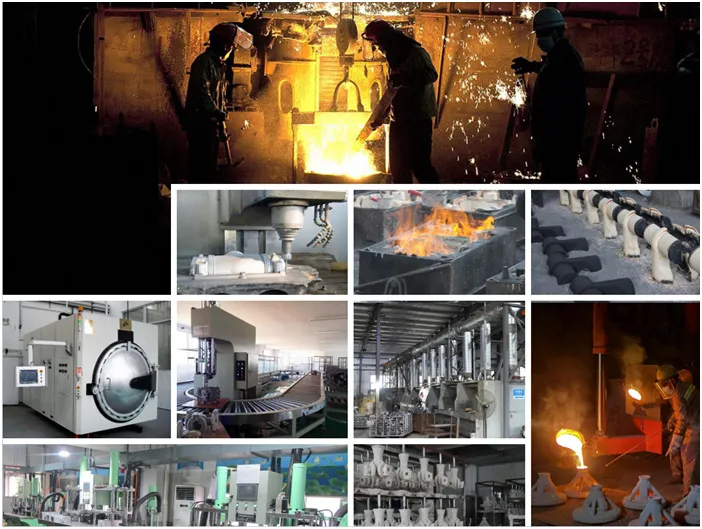
Raw Material Selection: High-quality Alloy 825 from certified premium mills (Special Metals, VDM Metals, Carpenter) with certified chemical composition (Ni 38-46%, Cr 19.5-23.5%, Mo 2.5-3.5%, Cu 1.5-3.0%, Ti 0.6-1.2% verification) and traceability.
Forging/Casting: Valve body and bonnet forged or cast with strict temperature control for high integrity.
Heat Treatment – Solution Annealing: Solution annealing at 925–1040°C followed by water quenching to restore corrosion resistance.
Machining: Precision CNC machining of seat bore, stem bore, and spring chamber.
Trim Machining: Seat ring, disc (plug), and stem machined to exact specifications.
Spring Winding: Precision wound spring from Inconel 718 wire, stress relieved, and set.
Diaphragm/Piston Assembly: PTFE, Viton, or metal diaphragm/piston assembled.
Assembly: Body, trim, spring, diaphragm/piston, bonnet, and adjustment screw assembled.
Calibration: Pressure setting calibrated on test bench with pressure gauges.
Testing: Hydrostatic shell test, seat leakage test, set pressure verification lock-up test.
Marking: Laser engraved with size, pressure rating, set pressure, flow direction, material, heat number, and NACE/MR0175 markings.
|
Surface Finish |
Description |
Application |
|
Raised Face (RF) |
Standard serrated finish for flanges |
Flanged valves |
|
Ring Type Joint (RTJ) |
Grooved for high pressure service |
Class 600 and above |
|
Flange Faces |
Smooth or serrated per ASME B16.5 |
All flanged valves |
|
Threaded Ends |
NPT or BSP threads |
Threaded valves |
|
External Coating |
Epoxy or PTFE coating |
Corrosion protection |
|
Internal Polish |
Smooth finish for seat surfaces |
Bubble-tight shut-off |
Pressure Testing: Shell test (1.5× max inlet pressure), seat test (1.1× set pressure, zero leakage), lock-up test (no flow at set pressure).
Set Pressure Verification: Calibrated at specified set pressure with tolerance ±2% of set point.
Material Verification: PMI 100% for body, trim, spring – verification of Ni, Cr, Mo, Cu, Ti.
Intergranular Corrosion Test: ASTM G28 – validates resistance to intergranular corrosion (mandatory for stabilized grades).
Spring Testing: Spring rate verification, free length, solid height.
Dimensional Inspection: Face-to-face, flange dimensions, seat alignment.
NACE Compliance: Full documentation for sour service applications.
Third-Party Inspection: SGS, BV, DNV, TUV, LR on customer request.
Steam Systems (Chemical Plants): Boiler steam pressure reduction, process steam control, turbine bypass, heating system PRV.
Sour Gas Pipeline Pressure Reduction: Natural gas pressure letdown, wellhead gas regulation, pipeline pressure control (NACE MR0175 compliant).
Chemical Injection Systems: High pressure chemical injection skids, additive injection, catalyst feed.
Hydrogen Service: Hydrogen pipeline pressure reduction, fuel cell feed, refinery hydrogen handling.
Pharmaceutical Process Control: Sterile steam pressure reduction, clean gas regulation, WFI pressure control.
Instrument Air Systems: Plant air pressure reduction, control valve supply pressure regulation.
Laboratory and Pilot Plants: High pressure gas reduction, chemical feed control.
Water Treatment: Reverse osmosis feed pressure control, chemical dosing systems.
Oil and Gas (Sour Service): Wellhead pressure reduction, flow line pressure control (NACE MR0175).
Marine Systems: Shipboard steam pressure reduction, boiler feed water control (ABS/BV/DNV/LR certified).
Critical Note: Pressure reducing valves must be installed with proper orientation (flow direction arrow on body). A pressure relief valve (safety valve) is required downstream to protect against PRV failure. For dead-end shut-off services, a pressure relief valve is mandatory.
|
Actuator Type |
Operation |
Applications |
|
Direct-Operated (Spring) |
Self-operated, no external power |
Low flow, cost-effective |
|
Pilot-Operated |
Uses process pressure to control main valve |
High flow, accurate control |
|
Dome-Loaded |
External pressure source to load dome |
High pressure, high accuracy |
|
Remote Set Point |
Electric or pneumatic remote adjustment |
Remote control, PLC integration |
|
Motorized |
Electric actuator for set point adjustment |
Automated systems |
Small valves (≤2″): Individual poly bags in carton
boxes with calibration certificate.
Medium valves (2.5″–6″): Plywood
cases with foam padding, each valve separated, flange protectors.
Large valves (≥8″): Wooden
crates with protective wrapping, flange protectors, lifting lugs, and pallets.
All shipments:
Individual calibration certificate included
Plastic end caps for threaded/socket weld ends
Flange protectors for flanged ends
Individual tagging: Size, set pressure, material, heat number
Complete documentation: MTR, PMI reports, ASTM G28 test reports, hydrostatic test reports, NACE compliance certificates, calibration reports
Womic Steel's Delivery Strengths:
Ready stock: 1/2″–6″ Alloy 825 pressure reducing valves for steam and gas service – dispatch within 48-72 hours.
Direct cooperation with global shipowners for competitive freight rates.
Professional loading by in-house teams.
Continuous cargo tracking and after-sales follow-up.
1. What is the
difference between direct-operated and pilot-operated pressure reducing valves?
Direct-operated uses spring force directly on the disc – suitable for low flow,
cost-effective. Pilot-operated uses a small pilot valve to control main valve –
higher flow capacity, better accuracy (±1-2%). For large steam systems and gas
pipelines, pilot-operated is recommended.
2. Why choose Alloy
825 over 316L for pressure reducing valves?
Alloy 825 offers superior resistance to sulfuric acid, phosphoric acid, HCl,
and H₂S. For sour gas service (NACE MR0175) and chemical processes with
aggressive media, Alloy 825 is required.
3. What is lock-up
pressure?
Lock-up is the pressure at which the valve fully closes under no-flow
condition. Standard lock-up is within 5-10% of set pressure. Alloy 825 pressure
reducing valves are tested for lock-up on every unit.
4. Do I need a safety
relief valve downstream?
Yes. A pressure relief valve (safety valve) is required downstream to protect
against potential PRV failure or seat leakage. This is a code requirement (ASME
B31.1, B31.3).
5. Can Alloy 825
pressure reducing valves be used in dead-end service?
Yes, but a downstream pressure relief valve is mandatory. The valve will hold dead-end
pressure, but lock-up leakage must be zero for critical services.
6. What is the
typical Cv range for Alloy 825 pressure reducing valves?
Cv varies by size: 1/2″ (Cv 0.5-2.0), 1″ (Cv 3.0-8.0), 2″ (Cv 10-25), 4″ (Cv
40-80), 6″ (Cv 100-150), 8″ (Cv 200-300).
Complete Pressure Range: 5 psig to 3000 psig outlet – all ranges available.
Multiple Control Types: Direct, pilot, dome, spring – all types available.
Strict Quality Control: ISO 9001, PED, NACE certified.
NACE MR0175 / ISO 15156 Compliant: Full sour service documentation.
100% Calibrated: Every valve tested and calibrated with certificate.
Titanium Stabilized: ASTM G28 intergranular corrosion tested.
Fail-Safe Options: Spring-loaded fail-open or fail-closed.
Full Traceability: Heat number on body – traceable to raw material.
Flexible Customization: Special set pressures, end connections, materials.
Global Delivery: Exported to major chemical, gas, and pharmaceutical projects worldwide.
Tel / WhatsApp:
Victor: +86 15575100681
Jack: +86 18390957568
Website: www.womicstainless.com
E‑mail: info@womicstainless.com
Contact Womic Steel today for a competitive quote on Alloy 825 pressure reducing valves. We offer certified quality, NACE MR0175 compliance, ASTM G28 corrosion testing, precise pressure control, fast production lead times, and reliable global delivery for your steam, gas, and corrosive service pressure control projects.
Stock Examples (Flanged Alloy 825 Pilot-Operated Pressure Reducing Valves – Steam Service):
|
NPS |
DN |
End |
Max Inlet |
Outlet Range |
Connection |
|
2″ |
50 |
Flanged |
600 psig |
15-150 psig |
RF |
|
3″ |
80 |
Flanged |
600 psig |
15-150 psig |
RF |
|
4″ |
100 |
Flanged |
600 psig |
15-150 psig |
RF |
|
6″ |
150 |
Flanged |
600 psig |
15-150 psig |
RF |
|
8″ |
200 |
Flanged |
600 psig |
15-150 psig |
RF |
Stock Examples (Threaded Alloy 825 Direct-Operated Pressure Reducing Valves – Chemical Injection):
|
NPS |
DN |
End |
Max Inlet |
Outlet Range |
Connection |
|
1/2″ |
15 |
FNPT |
1500 psig |
25-200 psig |
NPT |
|
3/4″ |
20 |
FNPT |
1500 psig |
25-200 psig |
NPT |
|
1″ |
25 |
FNPT |
1500 psig |
25-200 psig |
NPT |
|
1-1/4″ |
32 |
FNPT |
1500 psig |
25-200 psig |
NPT |
|
1-1/2″ |
40 |
FNPT |
1500 psig |
25-200 psig |
NPT |
|
2″ |
50 |
FNPT |
1500 psig |
25-200 psig |
NPT |
Stock Examples (Flanged Alloy 825 Dome-Loaded Pressure Reducing Valves – High Pressure Gas – NACE MR0175):
|
NPS |
DN |
End |
Max Inlet |
Outlet Range |
Facing |
NACE |
|
1″ |
25 |
Flanged |
6000 psig |
50-1000 psig |
RTJ |
Yes |
|
1-1/2″ |
40 |
Flanged |
6000 psig |
50-1000 psig |
RTJ |
Yes |
|
2″ |
50 |
Flanged |
6000 psig |
50-1000 psig |
RTJ |
Yes |
|
3″ |
80 |
Flanged |
6000 psig |
50-1000 psig |
RTJ |
Yes |
|
4″ |
100 |
Flanged |
6000 psig |
50-1000 psig |
RTJ |
Yes |
Related Keywords (Alloy 825 Pressure Reducing Valves):
Alloy 825 pressure reducing valve, Incoloy 825 steam pressure reducing valve, NACE MR0175 pressure reducing valve for sour service, pilot operated pressure reducing valve, direct operated pressure reducing valve, dome loaded pressure reducing valve, spring loaded pressure reducing valve, steam PRV chemical plant, hydrogen pressure reducing valve, sour gas pressure reducing valve, ASME PTC 25 pressure reducing valve, API 527 seat tightness, Inconel 718 spring pressure reducing valve, stainless steel pressure reducing valve, water pressure reducing valve 316L, air pressure reducing valve for instrument air, gas pressure reducing valve for natural gas, chemical injection pressure reducing valve, 2 inch flanged pressure reducing valve, 4 inch pilot operated PRV, pressure reducing valve calibration certificate, lock up pressure test, fail open pressure reducing valve, fail closed pressure reducing valve, 6000 psig inlet pressure reducing valve, high pressure gas letdown valve, boiler steam pressure reducing valve.