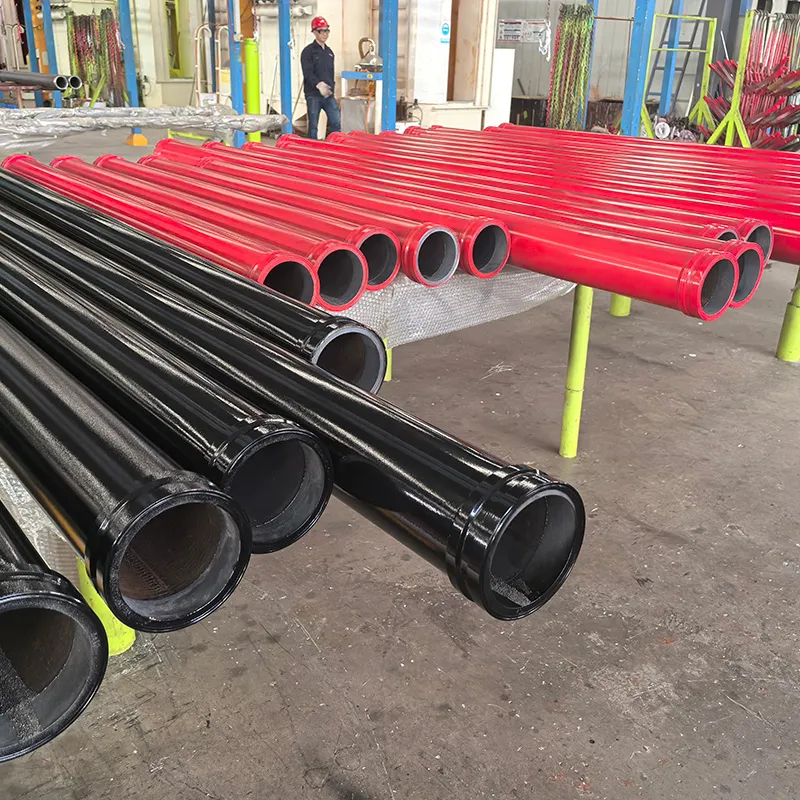
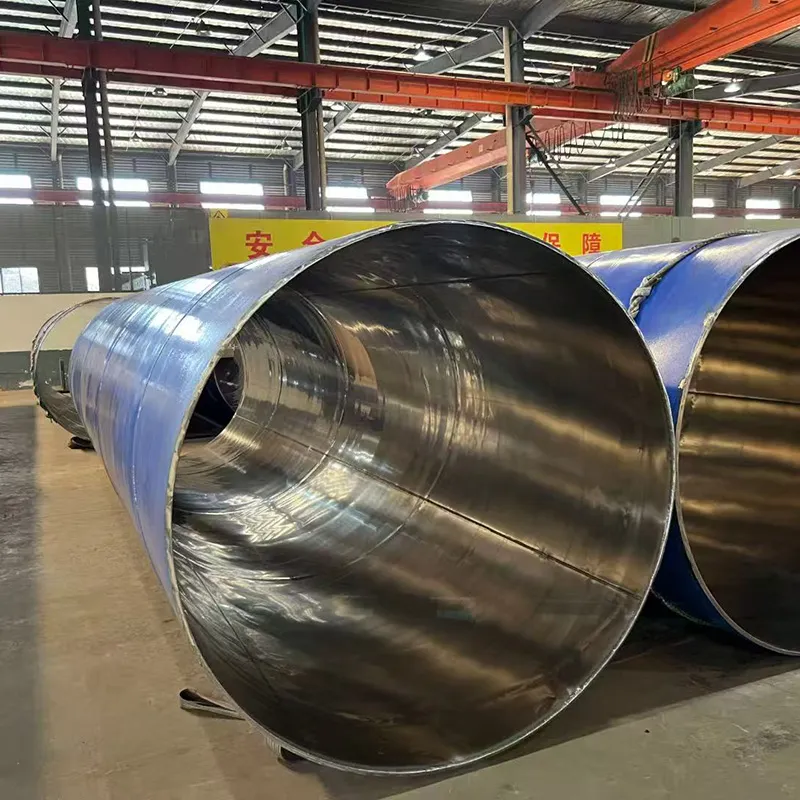
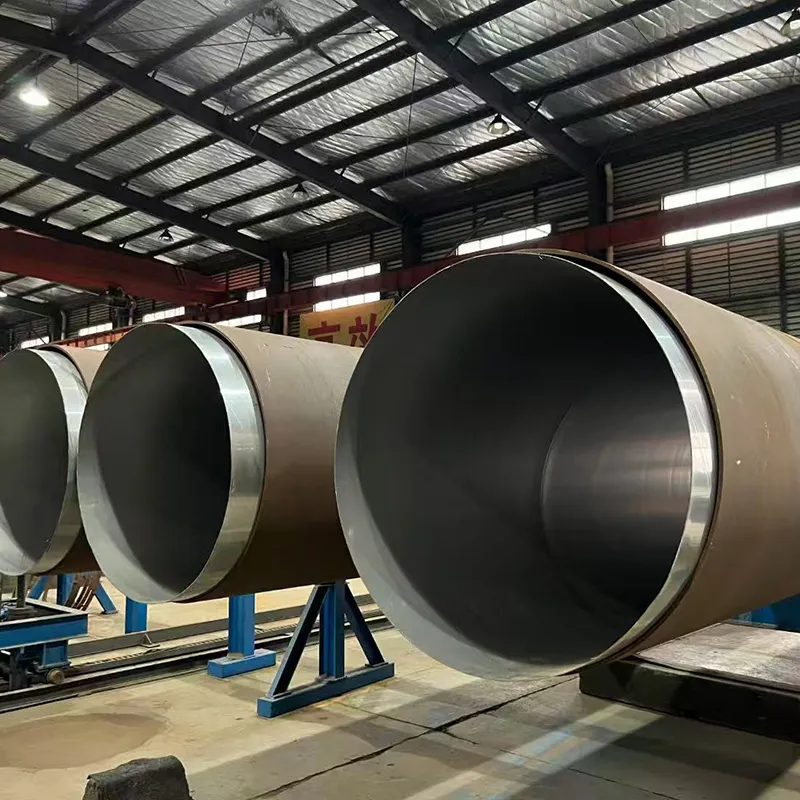
Womic Stainless Steel Co., Ltd



1 Product Definition
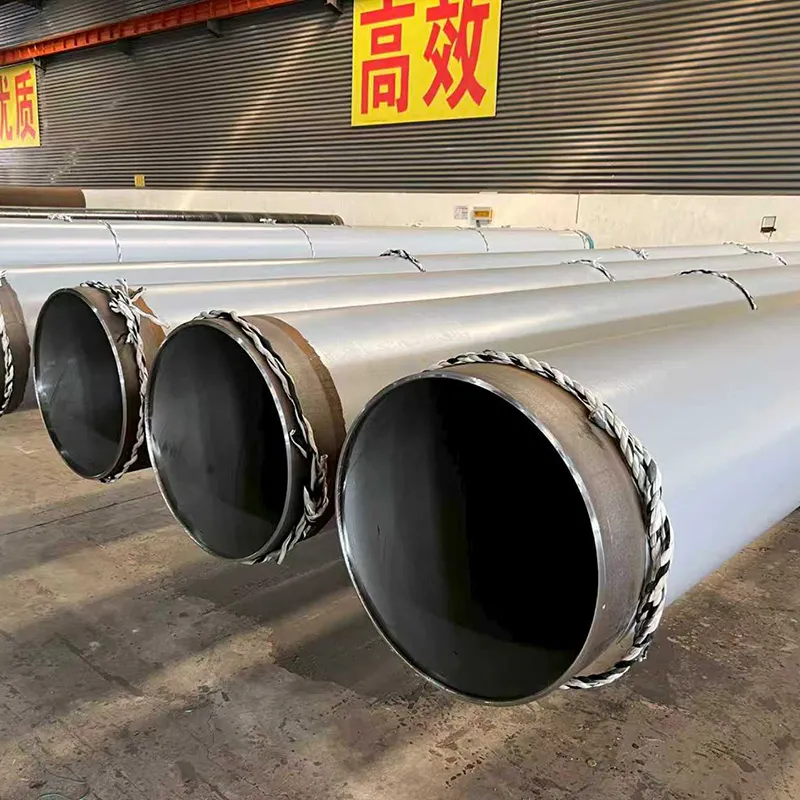
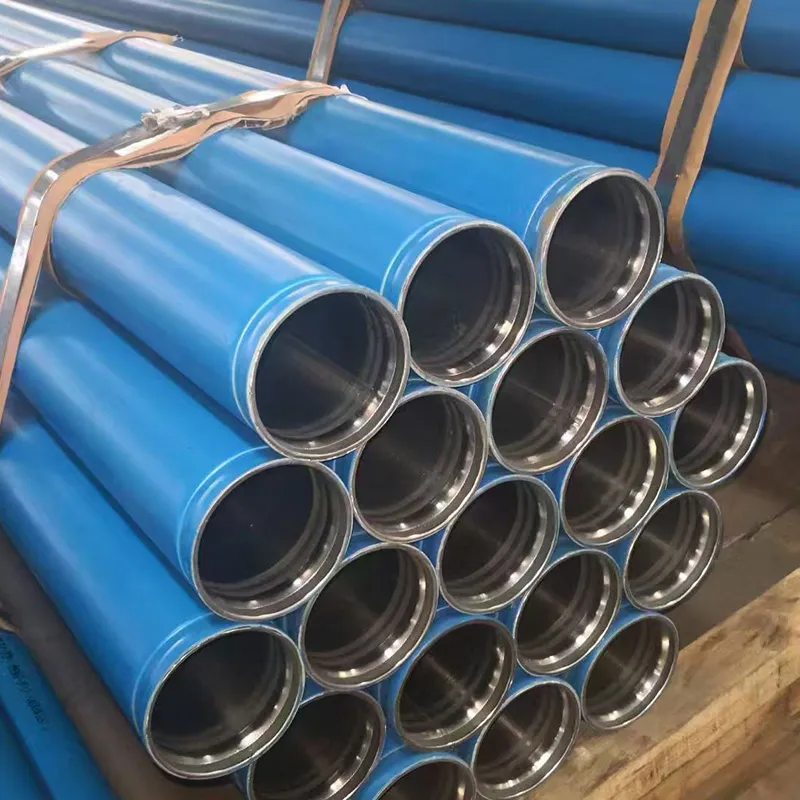
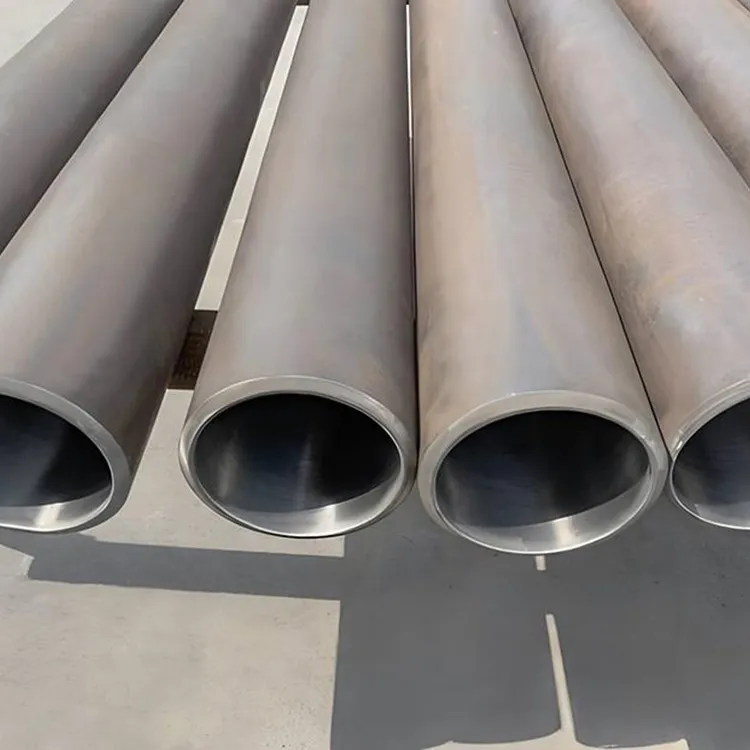
Bimetal Composite Pipes (also known as bimetallic clad pipes) consist of:
Outer Pipe (Base Material): Carbon steel or low-alloy steel for pressure bearing and structural strength
Inner Liner (Cladding Layer): Corrosion-resistant alloy bonded metallurgically or mechanically to the base pipe
This structure significantly extends service life while reducing material cost compared with solid alloy pipes.

2 Material Combinations (Typical)
Outer Pipe (Base Material)
Carbon Steel: ASTM A106 Gr.B, ASTM A53, API 5L Gr.B / X42–X65
Alloy Steel: ASTM A335 P11 / P22 / P91
Inner Liner (Cladding Material)
Stainless Steel: 304 / 304L / 316L / 317L / 321 / 347
Duplex Stainless Steel: 2205 / 2507
Nickel Alloys:
Alloy 625 (UNS N06625)
Alloy 825 (UNS N08825)
Hastelloy C276 (UNS N10276)
Monel 400 (UNS N04400)
3 Applicable Standards
ASTM A265–Specification for Steel-Clad Stainless Steel Plate
ASTM A263 / A264–Stainless Steel Clad Plate
API 5LD–Lined Pipe
ASTM A106 / A53 / A335–Base Pipe Standards
ASTM A240 / A312 / A790–Cladding Materials
ASME Section IX–Welding Requirements
EN 10204 3.1 / 3.2 – Inspection CertificationBimetal Composite Pipes
Outer Diameter (OD): 21.3 mm–1422 mm (1/2” –56”)
Wall Thickness (Total): 3 mm–60 mm
Cladding Thickness: 1.0 mm–5.0 mm (customized)
Length:Random Length, Fixed Length, Customized Cut Length
Available Pipe Schedules: SCH 10 / 20 / 40 / 80 / 160 / XXSBimetal (bi-metal) clad pipes are widely used in industries where severe corrosion, high pressure, high temperature, or wear conditions exist. By combining a corrosion-resistant inner liner with a high-strength carbon or alloy steel outer pipe, bimetal clad pipes offer an economical and high-performance alternative to solid alloy pipes.
Crude oil and natural gas often contain corrosive components such as H₂S, CO₂, and chloride ions, especially in subsea and unprocessed oil & gas fields, where internal corrosion is extremely severe. Using solid stainless steel or nickel alloy pipes for long pipelines is not cost-effective.
Bimetal clad pipes provide an ideal solution:
Inner liner (0.5–3.0 mm): Corrosion-resistant alloy in contact with the medium
Outer pipe: Carbon steel or low-alloy steel for pressure resistance
Typical material selection:
CO₂environment: 316L austenitic stainless steel
CO₂+ low chloride: 2205 / 2507 duplex stainless steel
H₂S + CO₂+ chloride:
Alloy 625, Alloy 825, Alloy 028, Alloy G3 (nickel-based or Fe-Ni alloys)
Extreme corrosion: Titanium alloy liners
Outer pipe materials:
API 5L X42 / X50 / X60 / X70
ASTM A106 Gr.B
ASTM A335 P22
The API 5LD standard governs bimetal clad pipes for oil & gas pipelines, covering materials such as Cr-Mo steel, Super 13Cr, Alloy G3, Alloy 028, Alloy 825, and other nickel-based cladding alloys.
Superheater tubes in supercritical and ultra-supercritical boilers must operate under:
Temperatures up to 650°C
Steam pressure up to 35 MPa
Strong resistance to steam oxidation and high-temperature corrosion
Typical bimetal structure:
Outer pipe: SUS310S, 35Cr-55Ni, 40Cr-55Ni
Inner liner: Alloy 800, 17-14CuMo
Womic Stainless Steel supplies bimetal superheater cladding tubes that meet these demanding conditions.
International suppliers such as Sandvik (Sweden) have also successfully applied similar composite pipes without changing boiler structural designs.
Waste incineration environments are characterized by:
High temperatures
Chlorine-rich flue gases
Severe corrosion and oxidation
Bimetal clad pipes for incinerators typically use:
Outer pipe: Sanicro 65 or high-alloy materials
Inner pipe: Carbon steel or Cr-Mo steel with resistance to stress corrosion cracking
Since their first application in 1971, more than 2 million meters of cladding pipes have been installed in incinerator superheaters and water wall tubes across Europe and North America.
Heat exchanger tubes require:
Good thermal conductivity
Adequate mechanical strength
Excellent corrosion resistance
Typical bimetal configurations:
Inner pipe: Alloy 800 (Ni-Cr alloy)
Outer pipe: ASTM A213 T2 low-alloy steel
Examples include:
Sandvik: Alloy 800 inner + A213 T2 outer
NKK (Japan): NIC42 inner + API 5L-16MnV outer
Bimetal clad pipes are also used where abrasion and erosion are critical concerns.
Example:
Outer pipe: SUS316L stainless steel
Inner liner: Stellite No.12 alloy
Such pipes have shown excellent performance in pneumatic conveying systems for fine powders, with service life exceeding 4 years without significant wear.
Marine applications demand resistance to:
Seawater corrosion
Biofouling
Chloride stress corrosion cracking
Typical structure:
Inner liner: Nickel alloy, titanium alloy, stainless steel, or copper alloy
Outer pipe: Carbon steel or low-alloy corrosion-resistant steel
Bimetal clad pipes are widely used for:
Marine heat exchangers
Seawater desalination systems
Seawater intake pipelines
Japanese manufacturers such as Kawasaki have applied these pipes extensively.
Bimetal composite pipes are increasingly used in high-end civil and municipal systems, including:
Cold & hot water pipelines
Direct drinking water pipes
District heating systems
Solar energy & ground-source heat pump pipelines
Commercial and residential building water supply
HVAC circulation systems
Bimetal clad pipes are widely used across multiple industries:
Oil & gas pipelines and casing pipes
Chemical heat exchanger tube bundles
Power plant desalination & desulfurization pipelines
Metallurgy & mining
Pharmaceutical & chemical processing
Wastewater treatment
New energy & food processing industries1. Superior Wear Resistance and Hardness
The super-hard wear-resistant alloy used for the inner lining achieves a hardness greater than 56 HRC, providing excellent abrasion resistance, erosion resistance, and thermal stability, even under severe service conditions involving solid particle impact and high flow velocity.
2. Excellent Impact Resistance and Metallurgical Bonding
The KMTBCr28 bimetal composite wear-resistant elbow features a fully metallurgical bond between the inner wear-resistant alloy layer and the outer steel pipe.
This ensures:
High structural integrity
Safe and reliable performance
No delamination under impact or vibration
The thermal expansion coefficients of the two materials are closely matched, effectively preventing cracking, peeling, or separation during thermal cycling. The outer layer is a steel pipe for strength, while the inner lining is a super-hard wear-resistant alloy.
3. Outstanding Heat and Corrosion Resistance
The matrix of the super-hard alloy material exhibits strong resistance to high temperatures and corrosive media.
In wet environments with corrosive media and particle scouring, corrosion-resistant super-hard alloys are preferred.
In dry abrasive environments, where wear is the dominant failure mechanism, specially heat-treated ultra-hard wear-resistant alloys are selected to maximize service life.
4. Advanced EPC Casting Process with Stable Quality
The bimetal wear-resistant pipes are manufactured using an internationally advanced EPC (Expendable Pattern Casting) process, offering:
High casting yield
Excellent compactness
Uniform lining thickness
Stable and consistent product quality
This process ensures a low composite cost while maintaining high performance and reliability.
5. Easy Installation, Connection, and Maintenance
Bimetal wear-resistant pipes and elbows support multiple connection methods, including:
Flange connection
Quick coupling
Direct welding
Thanks to their high impact strength and mechanical toughness, the pipes can be hammered or knocked during maintenance to clear partial blockages without damaging the structure.
They can also be cut, removed, welded, and reinstalled on-site, providing excellent flexibility for installation and system modification.
Professional Bimetal Composite Pipe Manufacturer
Wide range of base materials & cladding alloys
Strict metallurgical bonding quality control
Compliance with ASTM / ASME / API / EN standards
Cost-effective alternative to solid alloy pipes
Strong export experience to Middle East, Europe, Southeast Asia
Custom engineering solutions & fast technical support
Base Pipe & Cladding Material Preparation
Surface Cleaning & Machining
Composite Forming (Hot Roll Bonding / Explosion Bonding / Mechanical Lining)
Heat Treatment & Stress Relieving
Straightening & Sizing
Non-Destructive Testing (UT / ECT)
Final Inspection & Marking
Export Packing
Plastic caps on both pipe ends
Inner liner protection
Wooden cases / steel frames
Bundled with steel strips
Seaworthy export packing
Customized marking & barcoding available
Shipping Methods:
Sea Freight (FCL / LCL)
Air Freight (urgent orders)
Delivery Terms:
FOB / CFR / CIF / DDP
Main Ports:
Shanghai, Ningbo, Tianjin
Email: info@womicstainless.com
Website: www.womicstainless.com
Contact Womic Stainless today for bimetal composite pipe pricing, technical datasheets, project support, and customized solutions. Our experienced team will respond within 24 hours.